Home › Knowledge › Grossing and Cassette Labelling Best Practices
Knowledge articleGrossing and Cassette Labelling Best Practices
Enhancing histopathology workflow efficiency
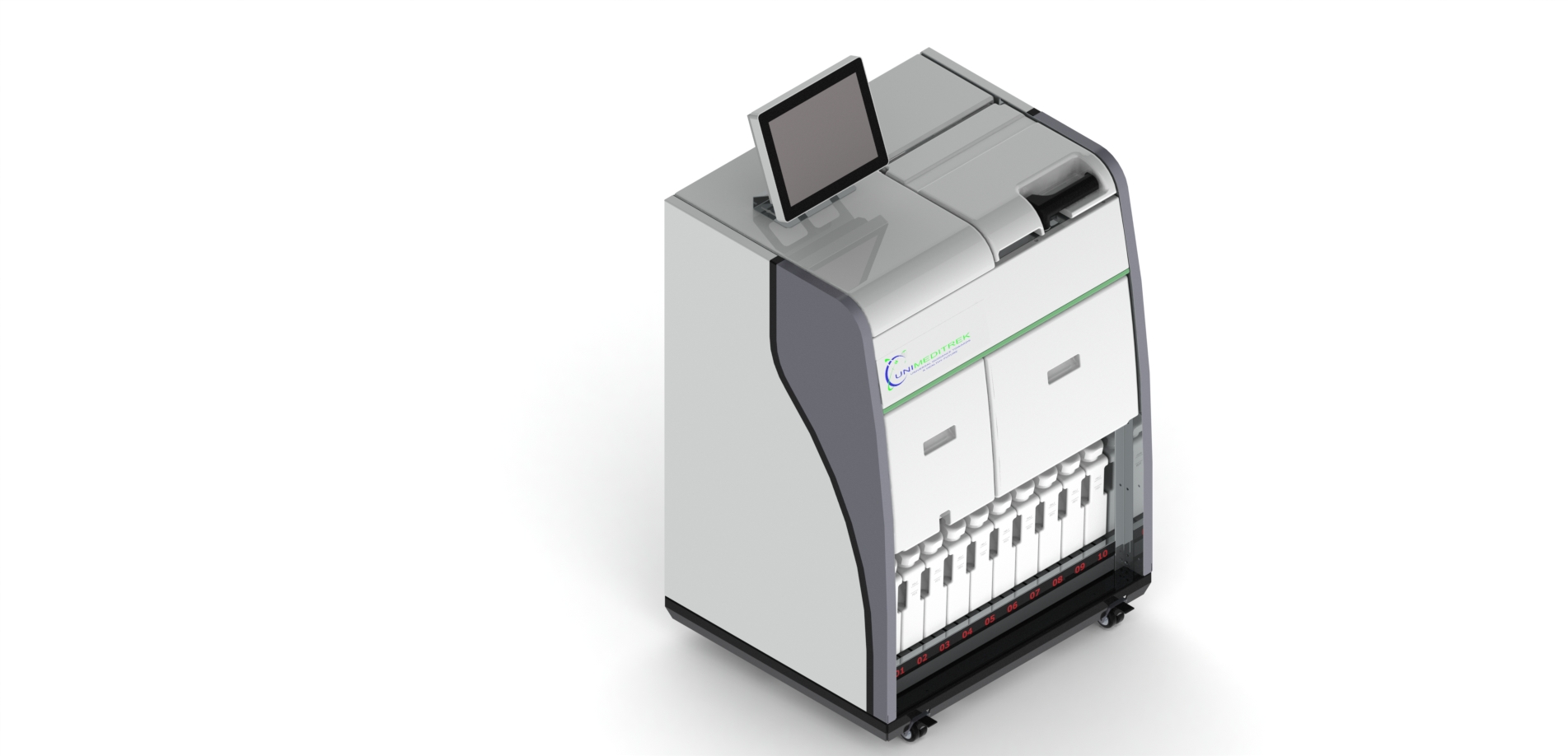
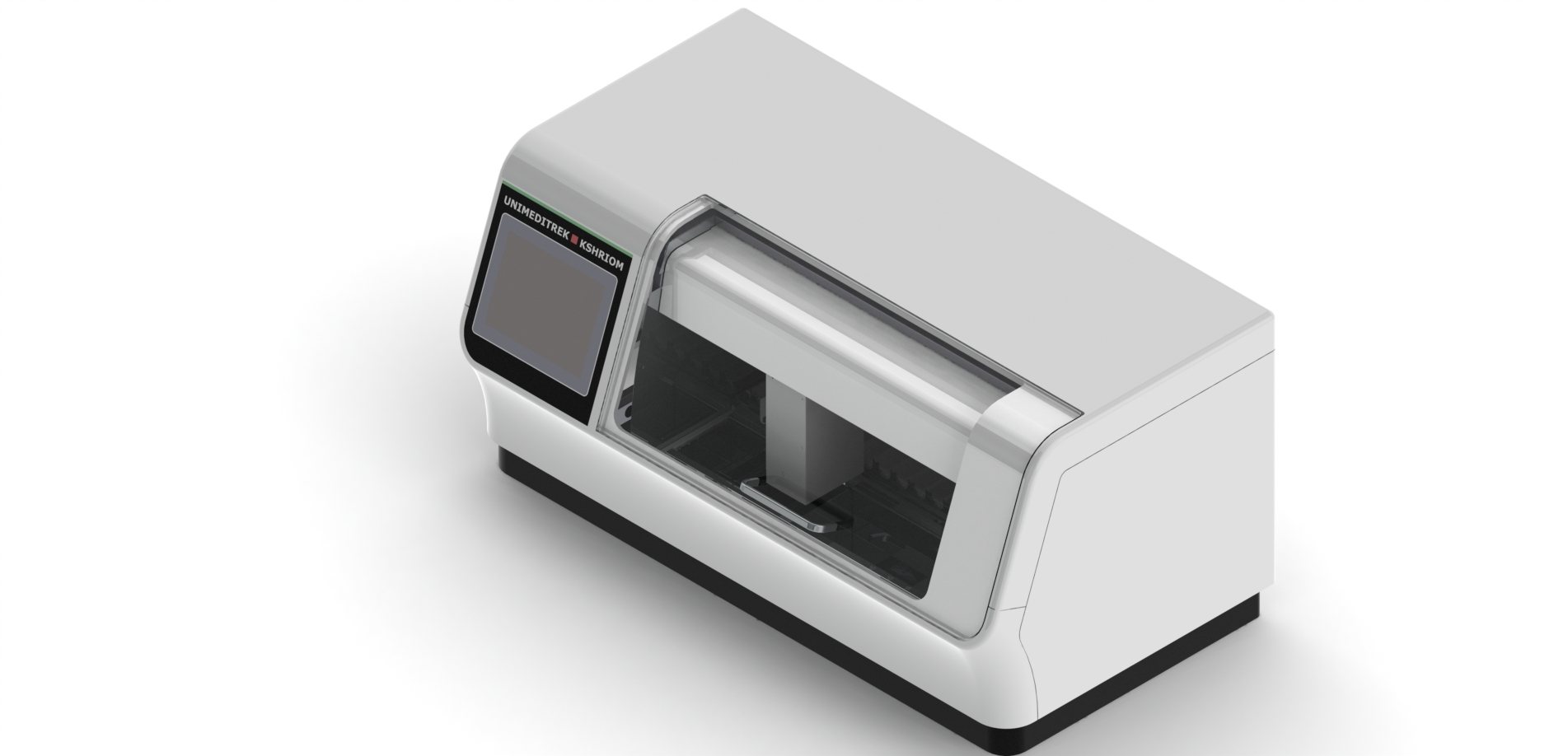 Automatic Slide Staining Machine — Unimeditrek" style="max-width:100%;border-radius:10px"/>
Understanding Grossing in Histopathology
Grossing is a critical initial step in the histopathology workflow that involves the examination and dissection of tissue specimens. This process allows pathologists and lab technicians to assess the tissue's macroscopic characteristics before preparing it for microscopic examination. Proper grossing ensures that the most relevant areas of the tissue are selected for further processing, which directly impacts the quality of the final histological slides.
During grossing, it is essential to maintain a clean and organized workspace to prevent contamination of samples. Using dedicated tools for different specimen types, such as scalpels, forceps, and rulers, can help in achieving this. Additionally, documenting the gross appearance and any notable findings is crucial, as this information can guide subsequent staining and examination processes. An organized approach to grossing not only enhances the quality of the specimens but also facilitates better communication among the laboratory team.
Best Practices for Cassette Labelling
Cassette labelling is another vital aspect of the histopathology workflow that ensures accurate identification and tracking of specimens throughout the processing stages. Each cassette must be labeled clearly and consistently, containing essential information such as the patient ID, specimen type, and any additional identifiers relevant to the case. This practice minimizes the risk of mix-ups and ensures that pathologists can easily correlate the slides with the original specimens.
Using high-quality, durable labels is important to prevent fading or smudging during the staining process. Moreover, adopting a standardized format for cassette labels can streamline the workflow and reduce errors. It is advisable to implement a double-check system where another technician verifies the label against the requisition form before the cassette is placed in the automatic slide staining machine. This additional step can significantly enhance the reliability of the lab's output.
Integrating Technology in Grossing and Labelling
Incorporating technology into the grossing and labelling processes can greatly improve efficiency and accuracy in histopathology labs. For instance, digital grossing systems allow for the electronic documentation of gross descriptions and images, providing a comprehensive record that can be easily accessed and shared among team members. This not only enhances communication but also serves as a valuable educational resource for training purposes.
Furthermore, automated labelling systems can reduce the time spent on manual labelling while minimizing human error. These systems can print high-resolution labels that are resistant to common laboratory solvents, ensuring they remain intact during the staining process. By integrating such technologies, labs can optimize their workflows and focus more on critical analytical tasks, ultimately improving patient outcomes.
Challenges in Grossing and Labelling
Despite the best practices in place, histopathology labs often face challenges in the grossing and labelling processes. One common issue is the variability in grossing techniques among different technicians, which can lead to inconsistencies in specimen selection and documentation. To mitigate this, regular training sessions and standard operating procedures (SOPs) should be established to ensure that all team members adhere to the same protocols.
Another challenge is the potential for mislabelling, which can have serious consequences for patient care. Implementing a robust quality control system that includes regular audits of grossing and labelling practices can help identify areas for improvement. By fostering a culture of accountability and continuous learning, labs can enhance their overall performance and reliability.
Practical Takeaway for Histopathology Labs
To optimize grossing and cassette labelling practices, histopathology labs should prioritize organization, standardization, and technology integration. Maintaining a clean and organized workspace, using high-quality labels, and adopting automated systems can significantly enhance the efficiency and accuracy of the histopathology workflow. Additionally, ongoing training and quality control measures will ensure that all team members are equipped to perform their tasks effectively. This holistic approach not only streamlines the workflow but also contributes to better patient care outcomes.
Further reading
For peer-reviewed depth on histopathology practice and quality, these leading journals are excellent references:
- The Journal of Pathology
- Histopathology (Wiley)
- Modern Pathology (USCAP)
- Archives of Pathology & Laboratory Medicine (CAP)
- American Journal of Clinical Pathology
- Journal of Clinical Pathology (BMJ)
Automatic Slide Staining Machine — engineered and serviced in India
Unimeditrek manufactures the Automatic Slide Staining Machine with pan-India installation and service. Explore the full specifications, request a demo, or register to download the brochure — direct from the manufacturer.
View Automatic Slide Staining Machine & request a quote →FAQs
What are the key steps in the grossing process?
The key steps in the grossing process include examining the specimen, documenting its macroscopic characteristics, selecting relevant areas for further processing, and ensuring a clean workspace to prevent contamination.
How can I ensure accurate cassette labelling?
To ensure accurate cassette labelling, use high-quality, durable labels, follow a standardized format, and implement a double-check system where another technician verifies the label against the requisition form.
What technology can improve grossing and labelling efficiency?
Digital grossing systems and automated labelling systems can significantly improve efficiency by providing electronic documentation and reducing manual errors in labelling.
Prepared and reviewed by the Unimeditrek technical team based on laboratory practice, installation and service experience. This document explains histopathology workflow, laboratory practice and equipment based on the questions we hear from hospitals, medical colleges and diagnostic laboratories — vendor-neutral where it explains the science and practical where it explains equipment.
Prepared by Unimeditrek Pvt. Ltd.. For product specifications and quotations, contact our team.