Home › Knowledge › Good Alternatives to Leica or Sakura Tissue Processors in India
Knowledge articleGood Alternatives to Leica or Sakura Tissue Processors in India
Yes, there are credible alternatives to Leica and Sakura tissue processors for Indian labs - both other global brands (Thermo Fisher/Epredia, Milestone) and established Indian manufacturers (including Unimeditrek and a few others) make automated closed or vacuum tissue processors suitable for pathology labs of different sizes. The right choice depends less on brand name and more on your daily sample volume, reagent handling preferences, service turnaround in your city, and total cost of ownership over 7-10 years.
How to Choose a Tissue Processor: Real Selection Criteria
Before comparing brands, define your lab's actual needs against these factors:
- Daily/monthly cassette volume: A small diagnostic lab processing 20-40 cassettes a day has very different needs than a hospital lab or NABL-accredited reference lab doing 200+.
- Closed vs vacuum/pressure processing: Vacuum-infiltration processors generally give faster, more consistent infiltration for fatty or fibrous tissue, but check retort capacity and cycle-time flexibility against your actual specimen mix.
- Reagent economy and safety: Look at reagent station count, whether xylene-free protocols are supported, and how easy solvent disposal/venting is - this affects recurring cost, not just purchase price.
- Retort/basket capacity: Match the number of cassettes per basket and baskets per run to your peak-day load, not just average load.
- Local service response and AMC: Tissue processors run overnight unattended; a breakdown means delayed reporting. Ask any vendor - global or Indian - for actual service engineer locations near your city, average response time, and AMC/CMC cost after warranty.
- Spare parts and consumables availability: Confirm whether retort seals, heaters, and reagent sensors are stocked in India or need import, which affects downtime during breakdowns.
- Validation, IQ/OQ/PQ documentation and NABL compliance: Needed for accreditation - check the manufacturer provides this, not just a warranty card.
- Power stability compatibility: Many Indian labs face voltage fluctuations; ask whether the unit needs a stabiliser/UPS and what protection is built in.
Tissue Processor Options Available in India
Indian labs realistically choose from three categories:
Global Brands
Leica Biosystems and Sakura Finetek are well-known for their vacuum tissue processors (e.g., Leica's ASP series, Sakura's Tissue-Tek VIP series) and have long-standing reputations built on years of installations worldwide. Thermo Fisher Scientific/Epredia also offers processors (e.g., Excelsior line) used in many Indian labs, and Milestone (Italy) is another option seen in some reference labs, known for microwave-assisted rapid processing. These brands typically carry a higher upfront cost, and service depends on the local distributor network and spare-part import timelines, which is worth verifying city-by-city rather than assuming.
Indian Manufacturers
Several Indian companies manufacture automated tissue processors targeted at cost-conscious diagnostic labs, teaching hospitals, and mid-size pathology setups. These typically offer lower acquisition cost, faster local service visits, and AMC pricing without currency/import dependency. Quality and after-sales support vary by manufacturer, so it's worth asking any Indian vendor for reference installations in labs similar to yours, actual retort capacity, and warranty terms in writing rather than relying on catalogue claims alone.
Where Unimeditrek Fits
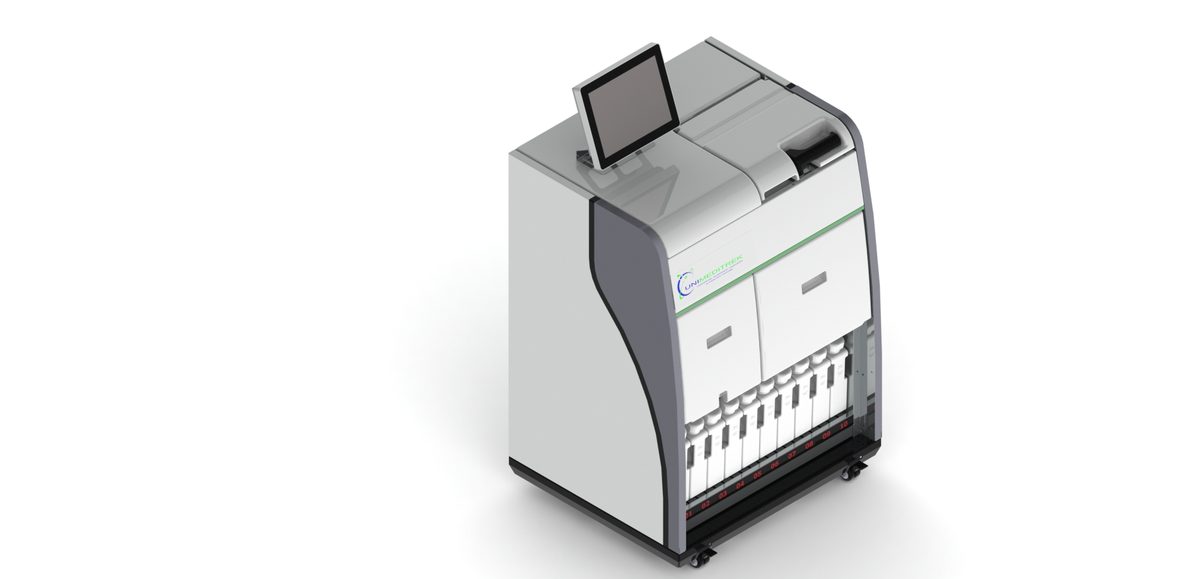
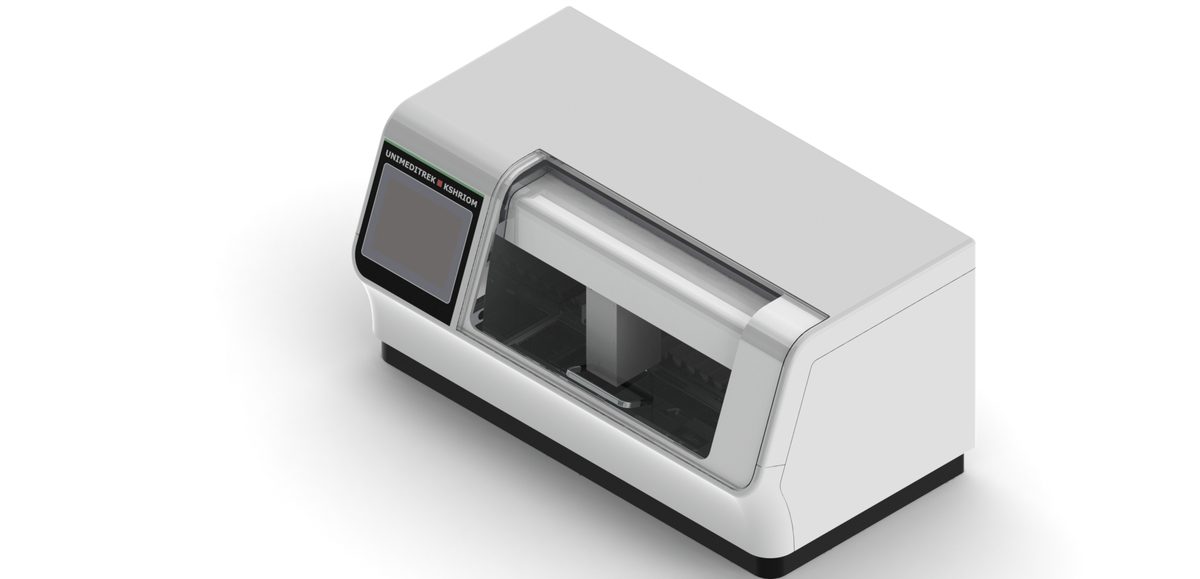
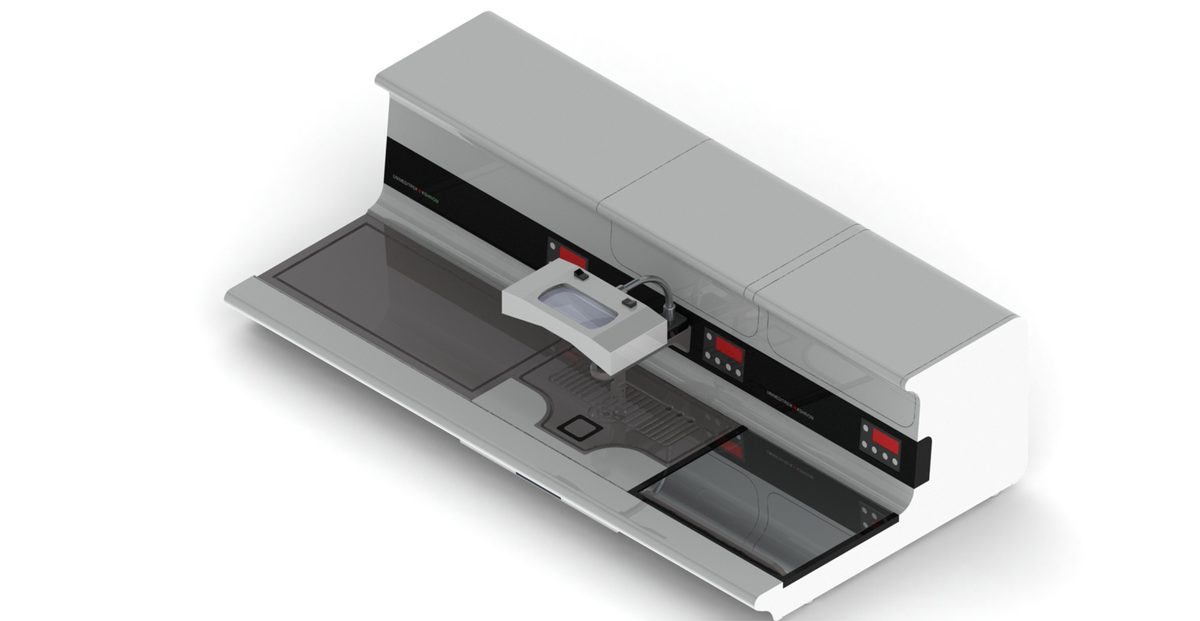
Unimeditrek is one such Indian manufacturer of histopathology lab equipment, including tissue processors, offering pan-India installation and AMC/CMC support. For labs prioritising local service response, and rupee-denominated pricing without import-linked cost fluctuation, an Indian-made processor from a manufacturer like Unimeditrek is worth evaluating alongside global options - particularly for mid-volume labs where a full high-end vacuum processor's extra throughput isn't the primary need. As with any vendor, it's fair to ask Unimeditrek (or any other manufacturer) for a live demonstration, IQ/OQ/PQ documentation, and contactable reference labs before purchase - the same diligence you'd apply to a global brand.
Practical Recommendation
Don't decide on brand reputation alone. Draw up your daily cassette count, tissue types processed, budget for both capital purchase and 5-year AMC, and local service availability. Request demo runs or site visits to labs already using the shortlisted processor - global or Indian - and compare actual cycle times and consumable costs on your own tissue types before finalising.
FAQs
Are Indian-made tissue processors as reliable as Leica or Sakura?
Reliability depends on the specific manufacturer and model, not just country of origin. Ask any vendor - Indian or global - for reference installations, warranty terms, and documented service response times before deciding.
Is a vacuum tissue processor necessary for a small pathology lab?
Not always. Vacuum infiltration speeds up processing and can improve consistency for dense or fatty tissue, but a smaller lab with lower daily volume may find a standard automated closed processor sufficient and more cost-effective.
What ongoing costs should I budget for besides the processor's purchase price?
Budget for reagents (including xylene or xylene-free substitutes), retort seals and consumables, annual maintenance contract (AMC) after warranty ends, and potential stabiliser/UPS costs for power protection.
Prepared and reviewed by the Unimeditrek technical team based on laboratory practice, installation and service experience. This document explains histopathology workflow, laboratory practice and equipment based on the questions we hear from hospitals, medical colleges and diagnostic laboratories — vendor-neutral where it explains the science and practical where it explains equipment.
Prepared by Unimeditrek Pvt. Ltd.. For product specifications and quotations, contact our team.