Home › Knowledge › Fume Containment and Lab Safety with Automatic Tissue Processors
Knowledge articleFume Containment and Lab Safety with Automatic Tissue Processors
Essential practices for safe histopathology processing
Understanding Fume Generation in Tissue Processing
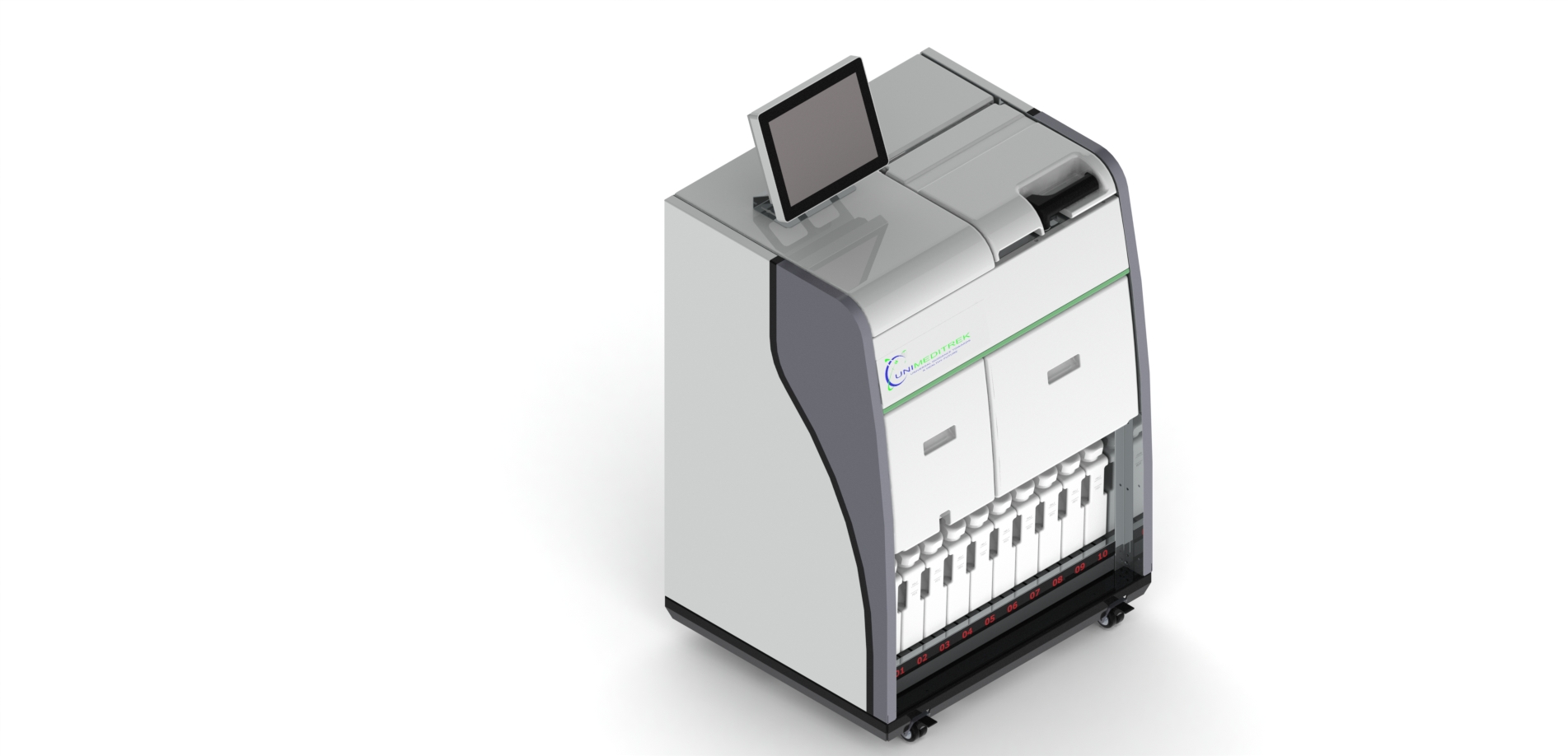
In histopathology, the processing of tissue samples involves the use of various chemicals, including fixatives, dehydrating agents, and clearing agents. Many of these substances can emit hazardous fumes that pose risks to laboratory personnel. It is crucial to understand the types of fumes generated during the use of a fully automatic tissue processor, as this knowledge is the first step towards ensuring a safe working environment. Common chemicals like formaldehyde, xylene, and alcohol not only contribute to the overall toxicity of the lab atmosphere but can also lead to long-term health issues if proper precautions are not taken.
When tissues are processed, especially during the fixation and dehydration stages, volatile organic compounds (VOCs) are released. These VOCs can irritate the eyes, skin, and respiratory tract, leading to discomfort and potential health complications over time. Therefore, recognizing the sources and effects of these fumes is essential for implementing effective containment strategies. Understanding the chemical properties of the substances in use also helps in selecting appropriate safety measures, including personal protective equipment (PPE) and fume extraction systems.
Effective Fume Containment Strategies
To mitigate the risks associated with fume exposure, laboratories must employ effective fume containment strategies. One of the most critical components is the use of a fume hood or a dedicated ventilation system. Fume hoods are designed to capture and exhaust hazardous fumes, ensuring that they do not circulate in the lab environment. When working with a fully automatic tissue processor, it is advisable to position the device within a fume hood to contain any fumes generated during operation.
In addition to fume hoods, the installation of local exhaust ventilation systems can enhance safety in the lab. These systems can be strategically placed near high-risk areas to capture fumes at their source, minimizing exposure to lab personnel. Regular maintenance and monitoring of these systems are essential to ensure their effectiveness. Furthermore, laboratories should consider using chemical fume containment systems designed specifically for histopathological applications, as they provide tailored solutions for the unique challenges posed by tissue processing.
Personal Protective Equipment (PPE) in the Lab
Alongside effective fume containment, the use of personal protective equipment (PPE) is vital in safeguarding laboratory personnel from hazardous exposures. Proper PPE includes gloves, lab coats, goggles, and face shields, which serve as barriers against chemical splashes and fumes. When using a fully automatic tissue processor, it is imperative that all staff members wear appropriate PPE, particularly during the loading and unloading of tissue samples.
It is also important to conduct training sessions for laboratory personnel on the correct use and maintenance of PPE. Employees should be aware of the limitations of their protective gear and the importance of replacing worn or damaged items. Regular training not only reinforces safe practices but also fosters a culture of safety within the laboratory, encouraging staff to prioritize their well-being and that of their colleagues.
Emergency Preparedness and Response Plans
Despite the best efforts to contain fumes and protect laboratory personnel, emergencies can still occur. Therefore, it is essential to have an emergency preparedness and response plan in place. This plan should outline procedures for dealing with chemical spills, exposure incidents, and equipment malfunctions. All staff members should be familiar with the plan and participate in regular drills to ensure a swift and effective response in case of an emergency.
Additionally, laboratories should maintain an inventory of safety data sheets (SDS) for all chemicals used in the tissue processing workflow. These documents provide crucial information about the hazards associated with each chemical, as well as guidance on first aid measures and spill response. Having easy access to this information can significantly enhance the laboratory's ability to respond effectively to emergencies and minimize risks to personnel.
Continuous Monitoring and Improvement
Finally, continuous monitoring and improvement of lab safety practices are essential for maintaining a safe working environment. Regular audits of laboratory practices, equipment, and safety protocols can help identify areas for improvement. Engaging staff in discussions about safety and encouraging them to report potential hazards can foster a proactive approach to lab safety.
Moreover, laboratories should stay updated on the latest research and technological advancements in fume containment and safety equipment. By investing in modern solutions and continuously refining safety protocols, labs can ensure a safer environment for all personnel involved in histopathology processes.
Practical Takeaway: Implementing effective fume containment strategies, utilizing proper PPE, preparing for emergencies, and continuously monitoring safety practices are key to ensuring a safe working environment in histopathology labs.
Further reading
For peer-reviewed depth on histopathology practice and quality, these leading journals are excellent references:
- The Journal of Pathology
- Histopathology (Wiley)
- Modern Pathology (USCAP)
- Archives of Pathology & Laboratory Medicine (CAP)
- American Journal of Clinical Pathology
- Journal of Clinical Pathology (BMJ)
Automatic Tissue Processor — engineered and serviced in India
Unimeditrek manufactures the Automatic Tissue Processor with pan-India installation and service. Explore the full specifications, request a demo, or register to download the brochure — direct from the manufacturer.
View Automatic Tissue Processor & request a quote →FAQs
What types of fumes are generated during tissue processing?
During tissue processing, fumes from chemicals like formaldehyde, xylene, and alcohol are generated, which can be hazardous to health.
How can I improve fume containment in my lab?
Improving fume containment can be achieved by using fume hoods, local exhaust ventilation systems, and ensuring proper placement of equipment.
What personal protective equipment should be used in the lab?
Essential PPE includes gloves, lab coats, goggles, and face shields to protect against chemical exposure during tissue processing.
Prepared and reviewed by the Unimeditrek technical team based on laboratory practice, installation and service experience. This document explains histopathology workflow, laboratory practice and equipment based on the questions we hear from hospitals, medical colleges and diagnostic laboratories — vendor-neutral where it explains the science and practical where it explains equipment.
Prepared by Unimeditrek Pvt. Ltd.. For product specifications and quotations, contact our team.