Home › Knowledge › Flattening Paraffin Ribbons for Wrinkle-Free Pickup
Knowledge articleFlattening Paraffin Ribbons for Wrinkle-Free Pickup
Mastering the art of ribbon preparation
Introduction to Paraffin Ribbons
In the realm of histopathology, the preparation of paraffin ribbons is a critical step that directly influences the quality of tissue sections for microscopic examination. The paraffin embedding technique allows for the preservation of tissue morphology, enabling pathologists to diagnose diseases accurately. However, the successful retrieval of these ribbons without wrinkles or tears is essential, as imperfections can lead to difficulties during sectioning and ultimately affect diagnostic outcomes.
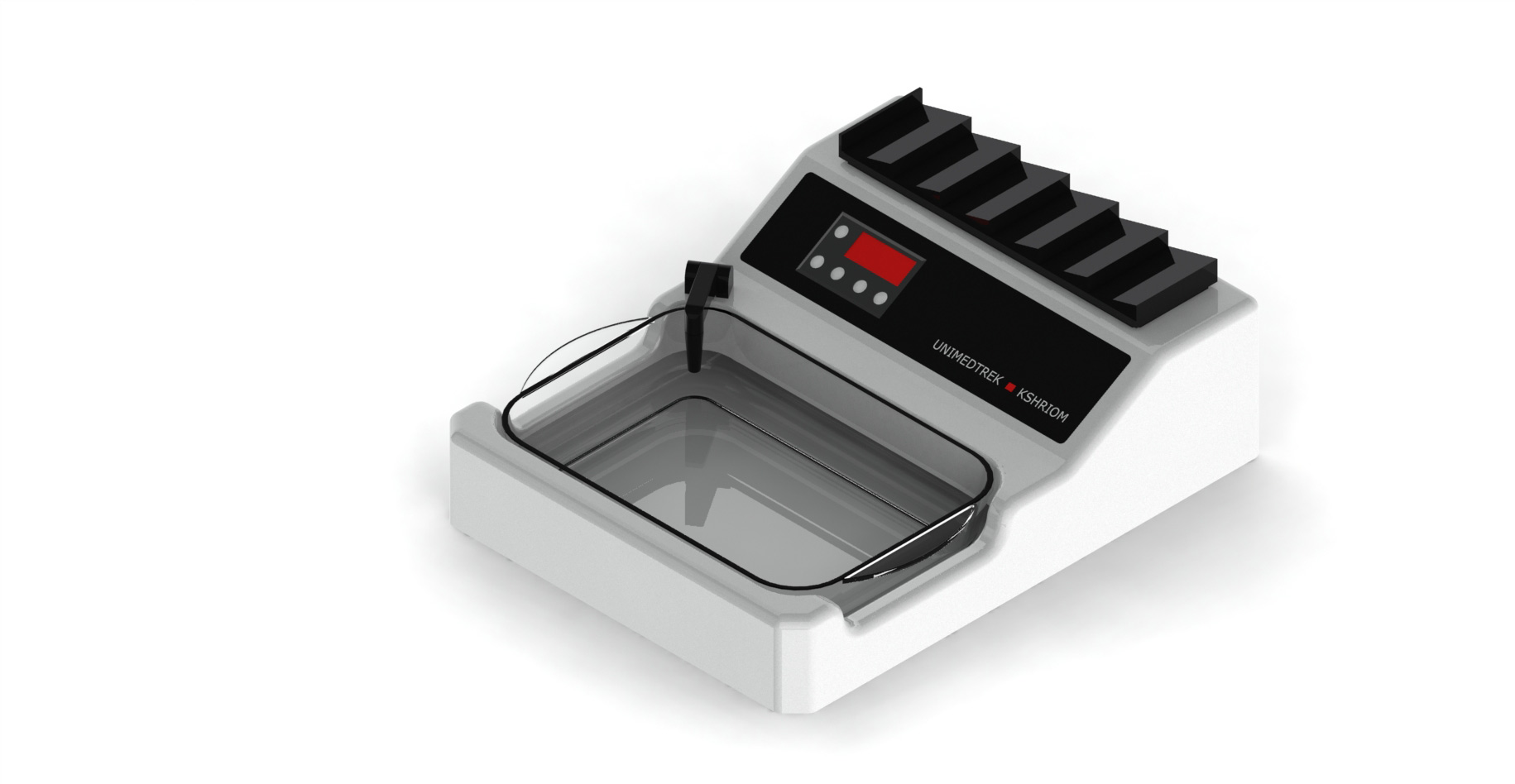
One of the key tools in achieving smooth and wrinkle-free paraffin ribbons is the tissue flotation bath. This equipment provides a controlled environment for flattening and aligning the paraffin ribbons, ensuring that they are ready for effective sectioning. Understanding how to utilize this equipment properly can greatly enhance the efficiency and quality of histopathological work.
Understanding the Role of the Tissue Floatation Bath
The tissue flotation bath serves a vital function in the histopathology lab by allowing paraffin ribbons to be gently flattened and positioned. When paraffin blocks are cut into ribbons, they can sometimes curl or wrinkle due to the inherent properties of the paraffin wax and the cutting process. These imperfections can complicate the process of picking up the ribbons onto slides.
By immersing the ribbons in a tissue flotation bath, the heat from the water gently warms the paraffin, making it more malleable. This process helps to relax the ribbons, allowing them to lay flat. Furthermore, the bath's water surface tension helps in the even distribution of the ribbon, facilitating a smoother transfer to the slides. Proper usage of the tissue flotation bath can significantly reduce the occurrence of wrinkles, ensuring that the ribbons are in optimal condition for sectioning.
Techniques for Effective Ribbon Flattening
To achieve the best results when using the tissue flotation bath, several techniques can be employed. First, it is crucial to set the bath to the appropriate temperature, as this can vary based on the type of paraffin used. Ensure that the water is warm enough to soften the paraffin without causing it to melt excessively. A controlled temperature allows for the ribbons to flatten without losing their structural integrity.
When placing the ribbons into the bath, it is advisable to do so gently. Use a pair of fine-tipped forceps to submerge the ribbons into the water, allowing them to spread out naturally. Avoid the temptation to force the ribbons flat, as this can lead to tearing or further wrinkling. Instead, allow the buoyancy of the water to assist in the flattening process. Once the ribbons are adequately submerged, they can be left to float for a few moments to ensure they reach the desired flatness.
Common Challenges and Solutions
Despite the advantages of using a tissue flotation bath, histopathology labs may encounter challenges during the ribbon flattening process. One common issue is the formation of air bubbles, which can trap underneath the ribbons and create imperfections. To mitigate this, it is essential to ensure that the ribbons are fully submerged and that there are no air pockets present when they are placed in the bath.
Another challenge is the tendency for some ribbons to curl upon retrieval from the bath. To address this, it is beneficial to use a slide that has been pre-warmed or to place the slide at an angle when picking up the ribbon. This technique allows for a smoother transfer and minimizes the risk of curling. Additionally, practicing patience and allowing the ribbons to cool slightly before handling can further enhance their stability.
Practical Takeaway
Utilizing a tissue flotation bath effectively can transform the way paraffin ribbons are prepared in histopathology labs. By understanding the principles behind ribbon flattening and employing the right techniques, lab technicians can significantly improve the quality of their tissue sections. This not only enhances the efficiency of the histopathological process but also contributes to more accurate diagnoses.
FAQs
- What is the ideal temperature for a tissue flotation bath? The ideal temperature for a tissue flotation bath varies depending on the type of paraffin used, but it should generally be warm enough to soften the paraffin without melting it.
- How can I prevent air bubbles when flattening ribbons? To prevent air bubbles, ensure that the ribbons are fully submerged in the bath and use gentle techniques to avoid trapping air underneath.
- What should I do if ribbons still curl after using the bath? If ribbons curl after using the bath, try warming the slides before pickup and angle them during the transfer to minimize curling.
Further reading
For peer-reviewed depth on histopathology practice and quality, these leading journals are excellent references:
- The Journal of Pathology
- Histopathology (Wiley)
- Modern Pathology (USCAP)
- Archives of Pathology & Laboratory Medicine (CAP)
- American Journal of Clinical Pathology
- Journal of Clinical Pathology (BMJ)
Tissue Floatation Bath — engineered and serviced in India
Unimeditrek manufactures the Tissue Floatation Bath with pan-India installation and service. Explore the full specifications, request a demo, or register to download the brochure — direct from the manufacturer.
View Tissue Floatation Bath & request a quote →FAQs
What is the ideal temperature for a tissue flotation bath?
The ideal temperature for a tissue flotation bath varies depending on the type of paraffin used, but it should generally be warm enough to soften the paraffin without melting it.
How can I prevent air bubbles when flattening ribbons?
To prevent air bubbles, ensure that the ribbons are fully submerged in the bath and use gentle techniques to avoid trapping air underneath.
What should I do if ribbons still curl after using the bath?
If ribbons curl after using the bath, try warming the slides before pickup and angle them during the transfer to minimize curling.
Prepared and reviewed by the Unimeditrek technical team based on laboratory practice, installation and service experience. This document explains histopathology workflow, laboratory practice and equipment based on the questions we hear from hospitals, medical colleges and diagnostic laboratories — vendor-neutral where it explains the science and practical where it explains equipment.
Prepared by Unimeditrek Pvt. Ltd.. For product specifications and quotations, contact our team.