Home › Knowledge › Establishing a QC Routine for Staining Consistency
Knowledge articleEstablishing a QC Routine for Staining Consistency
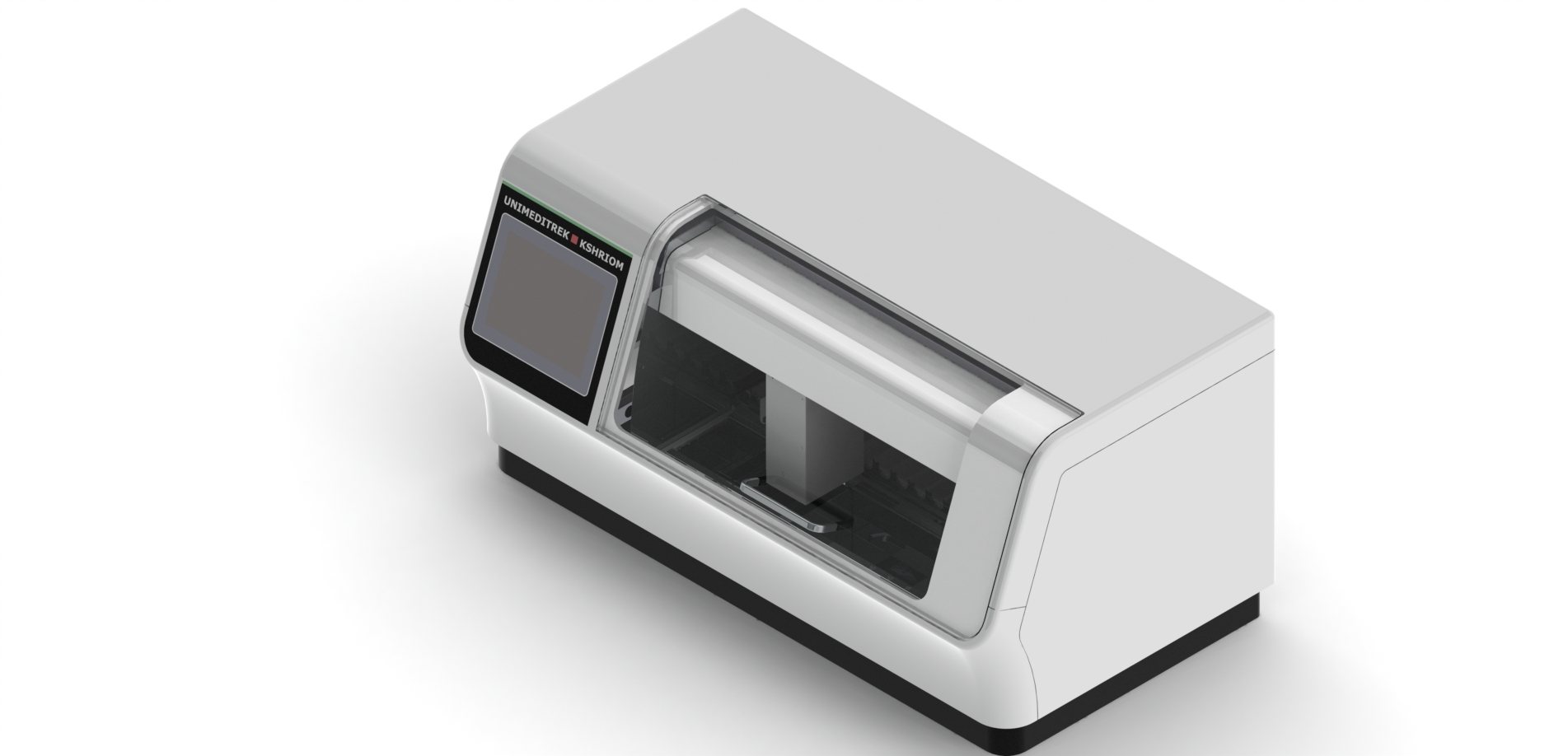
Enhancing reliability with an automatic slide staining machine
 Automatic Slide Staining Machine — Unimeditrek" style="max-width:100%;border-radius:10px"/>
Introduction to Quality Control in Staining
In histopathology, the staining of slides is a critical step that can significantly influence the diagnostic outcome. Consistency in staining is paramount to ensure that pathologists can accurately interpret the tissue samples. An automatic slide staining machine offers a solution to achieve reproducible results, but it is essential to implement a robust quality control (QC) routine to maintain the integrity of the staining process.
A QC routine involves systematic checks and balances that help identify any deviations from expected performance. By establishing a daily QC routine, lab technicians can ensure that every batch of stained slides meets the required standards. This proactive approach not only enhances the reliability of staining results but also contributes to better patient outcomes.
Daily Calibration and Maintenance Checks
One of the first steps in a QC routine for an automatic slide staining machine is to perform daily calibration checks. Calibration ensures that the machine operates within the specified parameters, which can vary based on the staining protocol being used. Technicians should reference the manufacturer’s guidelines to determine the necessary calibration frequency and procedures. Regular checks can help identify any potential issues before they affect the staining process.
In addition to calibration, routine maintenance of the automatic slide staining machine is essential. This includes cleaning the staining chambers, replacing any worn-out parts, and ensuring that all reagents are fresh and properly stored. A well-maintained machine is less likely to produce inconsistent staining results, thus contributing to the overall quality of the histopathological analysis.
Visual Inspection of Stained Slides
After the staining process is complete, a visual inspection of the stained slides should be conducted. This is a crucial step in the QC routine, as it allows technicians to assess the quality of the staining. Look for uniformity in color, clarity of the tissue structures, and any signs of over- or under-staining. Consistency in staining across multiple slides is a good indicator that the automatic slide staining machine is functioning correctly.
Documenting the results of these visual inspections can also be beneficial. Keeping records of any anomalies or deviations helps identify patterns that may indicate underlying issues with the staining process. If a particular batch of slides shows inconsistent staining, it may warrant a review of the staining protocol or further investigation into the machine’s performance.
Reagent Quality and Storage Practices
The quality of reagents used in the staining process plays a significant role in achieving consistent results. It is essential to use high-quality, well-characterized reagents that are appropriate for the specific staining protocol. Reagents should be sourced from reputable suppliers and stored according to the manufacturer’s recommendations. Improper storage can lead to degradation, which may result in inconsistent staining outcomes.
Additionally, technicians should regularly check the expiration dates of reagents and replace any that are past their prime. Implementing a first-in, first-out (FIFO) system for reagent usage can help ensure that older reagents are used before newer ones. This practice minimizes the risk of using degraded reagents that could compromise staining quality.
Training and Standard Operating Procedures (SOPs)
To maintain consistency in staining results, it is crucial to have well-defined standard operating procedures (SOPs) in place. These SOPs should outline the entire staining process, including preparation, staining, and post-staining handling. Training staff on these SOPs ensures that everyone involved in the staining process follows the same protocols, reducing variability.
Regular training sessions can also help reinforce the importance of QC measures and keep staff updated on any changes in protocols or equipment. Encourage open communication among team members to discuss any challenges or observations related to staining consistency. This collaborative approach fosters a culture of quality and accountability within the lab.
Practical Takeaway
Implementing a daily QC routine for your automatic slide staining machine is essential for achieving consistent staining results. By focusing on calibration, maintenance, visual inspections, reagent quality, and staff training, labs can enhance the reliability of their staining processes. A proactive QC routine not only benefits the pathologists but ultimately leads to improved patient care.
Further reading
For peer-reviewed depth on histopathology practice and quality, these leading journals are excellent references:
- The Journal of Pathology
- Histopathology (Wiley)
- Modern Pathology (USCAP)
- Archives of Pathology & Laboratory Medicine (CAP)
- American Journal of Clinical Pathology
- Journal of Clinical Pathology (BMJ)
Automatic Slide Staining Machine — engineered and serviced in India
Unimeditrek manufactures the Automatic Slide Staining Machine with pan-India installation and service. Explore the full specifications, request a demo, or register to download the brochure — direct from the manufacturer.
View Automatic Slide Staining Machine & request a quote →FAQs
What are some common issues with slide staining?
Common issues with slide staining include uneven staining, background staining, and fading of colors. These can result from poor reagent quality, improper calibration of the staining machine, or inadequate cleaning of slides.
How often should I perform maintenance on the staining machine?
Maintenance should be performed according to the manufacturer's guidelines, typically on a daily basis before use. Regular checks and cleaning can prevent issues and ensure optimal performance.
Can I use any reagents with my automatic slide staining machine?
It is best to use reagents that are specifically designed for your staining protocols and compatible with your machine. Always verify with the manufacturer for recommended reagents to ensure consistency.
Prepared and reviewed by the Unimeditrek technical team based on laboratory practice, installation and service experience. This document explains histopathology workflow, laboratory practice and equipment based on the questions we hear from hospitals, medical colleges and diagnostic laboratories — vendor-neutral where it explains the science and practical where it explains equipment.
Prepared by Unimeditrek Pvt. Ltd.. For product specifications and quotations, contact our team.