Home › Knowledge › Essential Maintenance Routine for Your Tissue Floatation Bath
Knowledge articleEssential Maintenance Routine for Your Tissue Floatation Bath
Keep your floatation bath in optimal condition
Understanding the Importance of Maintenance
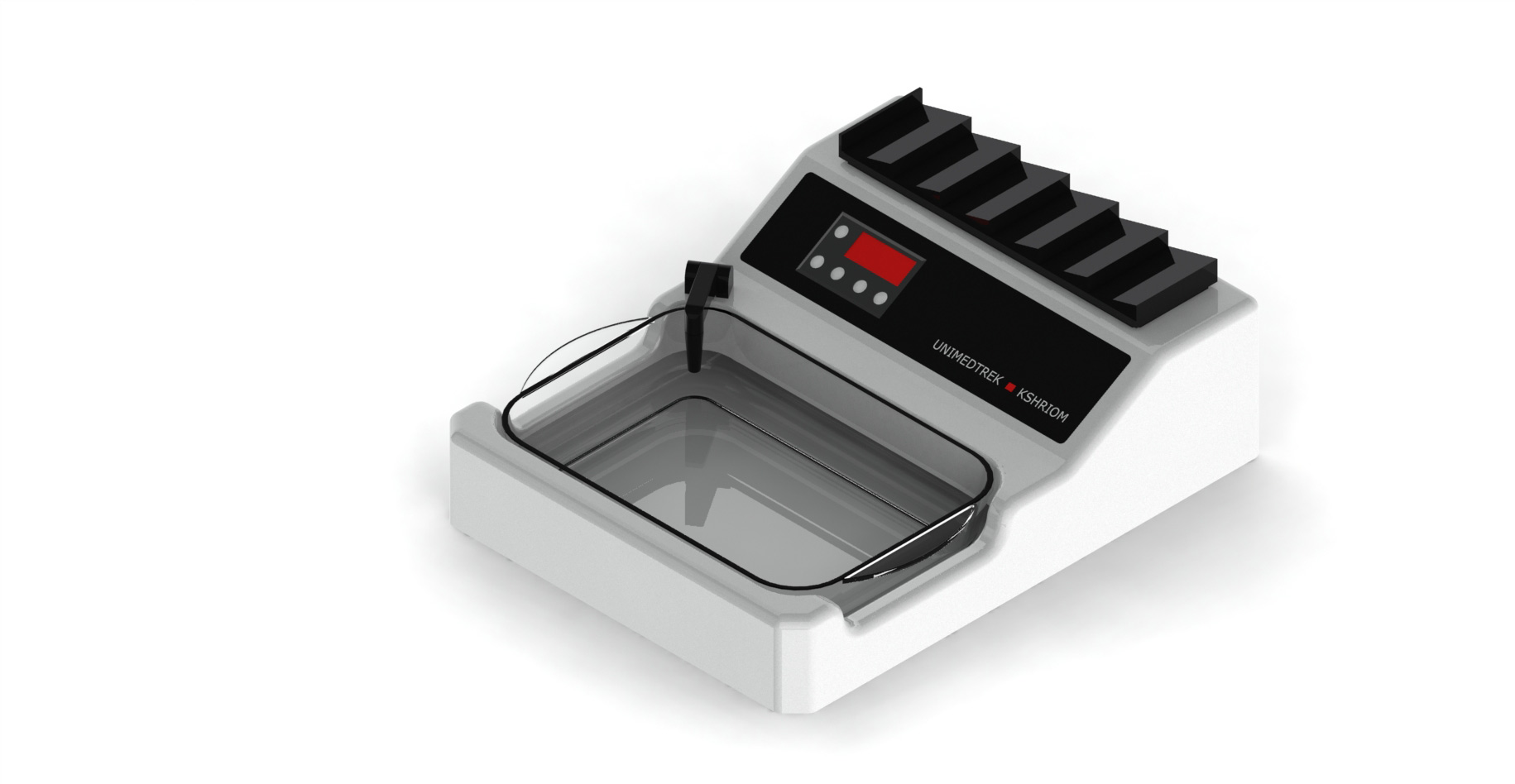
The tissue floatation bath is a crucial piece of equipment in histopathology labs, facilitating the proper orientation of tissue sections for microscopic examination. Regular maintenance ensures that the bath operates efficiently, providing consistent results and prolonging its lifespan. Neglecting maintenance can lead to contamination, inaccurate temperature control, and ultimately, compromised sample quality. By establishing a routine maintenance schedule, lab technicians can avoid these pitfalls and ensure that the floatation bath functions optimally.
Moreover, a well-maintained tissue floatation bath enhances the reliability of histological results. Consistent temperature and cleanliness are vital for the accurate processing of tissue samples. When the bath is kept in good condition, it reduces the risk of artifacts and improves the overall quality of the slides. This not only benefits the current batch of samples but also upholds the lab's reputation for precision and reliability in histopathological analysis.
Daily Maintenance Tasks
Daily maintenance of the tissue floatation bath is essential to ensure that it remains clean and functional. Start by inspecting the surface of the bath for any debris or residues from previous use. It is advisable to use a soft cloth or sponge along with a mild detergent to gently clean the surface. Avoid using abrasive materials that could scratch or damage the surface, as this can lead to contamination and affect the performance of the bath.
Additionally, check the water level in the bath daily. Maintaining the correct water level is crucial for proper functioning. If the water level is too low, it may not provide adequate support for the tissue sections, while an excessively high level could cause overflow and mess. Ensure that the water used is distilled or deionized to prevent mineral buildup, which can affect the bath's efficiency over time.
Weekly Maintenance Procedures
In addition to daily tasks, conducting a more thorough weekly maintenance routine is vital. This includes a detailed cleaning of the floatation bath’s interior and exterior surfaces. Empty the bath and clean it with a suitable disinfectant to eliminate any microbial growth. Rinse thoroughly to ensure no cleaning agents remain, as residues can interfere with tissue processing.
Furthermore, inspect the heating element and thermostat for any signs of wear or malfunction. If the bath has a digital display, check for any error messages or inconsistencies in temperature readings. It’s also beneficial to calibrate the temperature settings weekly to ensure that the bath maintains the required temperature range for optimal tissue processing. Regular calibration helps in identifying any discrepancies early on, allowing for timely repairs or adjustments.
Monthly Maintenance Checks
Monthly maintenance checks should include a comprehensive review of the tissue floatation bath’s components. Inspect the power cord and plug for any signs of damage or fraying. Ensure that all connections are secure and that there are no loose wires. Safety is paramount, and any electrical issues should be addressed immediately by a qualified technician.
Additionally, assess the condition of the floatation bath’s water. Over time, contaminants can build up, leading to cloudiness or discoloration. If the water appears dirty, it’s advisable to replace it entirely. Regularly changing the water not only maintains cleanliness but also ensures that samples can float properly without interference from impurities.
Record Keeping and Troubleshooting
Maintaining a log of maintenance activities is essential for tracking the performance of the tissue floatation bath. Documenting daily, weekly, and monthly tasks can help identify patterns or recurring issues that may need further investigation. This log can also be useful for training new staff, ensuring that everyone is aware of the maintenance protocols.
In case of any issues, having a troubleshooting guide can be beneficial. Common problems include inconsistent temperature readings, which may require recalibration, or water contamination, which may necessitate a complete cleaning. Being proactive in identifying and addressing these issues can prevent more significant problems down the line.
Practical Takeaway
Establishing a regular maintenance routine for your tissue floatation bath is crucial for ensuring optimal performance and reliability in histopathological procedures. By adhering to daily, weekly, and monthly maintenance tasks, lab technicians can prolong the lifespan of the equipment, maintain sample integrity, and uphold the quality of their diagnostic work. Remember, a well-maintained floatation bath is a cornerstone of effective histopathology.
Further reading
For peer-reviewed depth on histopathology practice and quality, these leading journals are excellent references:
- The Journal of Pathology
- Histopathology (Wiley)
- Modern Pathology (USCAP)
- Archives of Pathology & Laboratory Medicine (CAP)
- American Journal of Clinical Pathology
- Journal of Clinical Pathology (BMJ)
Tissue Floatation Bath — engineered and serviced in India
Unimeditrek manufactures the Tissue Floatation Bath with pan-India installation and service. Explore the full specifications, request a demo, or register to download the brochure — direct from the manufacturer.
View Tissue Floatation Bath & request a quote →FAQs
What is the ideal temperature for a tissue floatation bath?
The ideal temperature for a tissue floatation bath typically ranges around 40-60 degrees Celsius, depending on the type of tissue being processed.
How often should I clean the tissue floatation bath?
The tissue floatation bath should be cleaned daily for surface debris and thoroughly cleaned weekly to maintain hygiene and functionality.
What type of water should be used in the tissue floatation bath?
It is recommended to use distilled or deionized water to prevent mineral buildup and ensure optimal performance.
Prepared and reviewed by the Unimeditrek technical team based on laboratory practice, installation and service experience. This document explains histopathology workflow, laboratory practice and equipment based on the questions we hear from hospitals, medical colleges and diagnostic laboratories — vendor-neutral where it explains the science and practical where it explains equipment.
Prepared by Unimeditrek Pvt. Ltd.. For product specifications and quotations, contact our team.