Home › Knowledge › Essential Maintenance Routine for Your Tissue Floatation Bath
Knowledge articleEssential Maintenance Routine for Your Tissue Floatation Bath
Keep your floatation bath in optimal condition
 Tissue Floatation Bath — Unimeditrek" style="max-width:100%;border-radius:10px"/>
Understanding the Importance of Maintenance
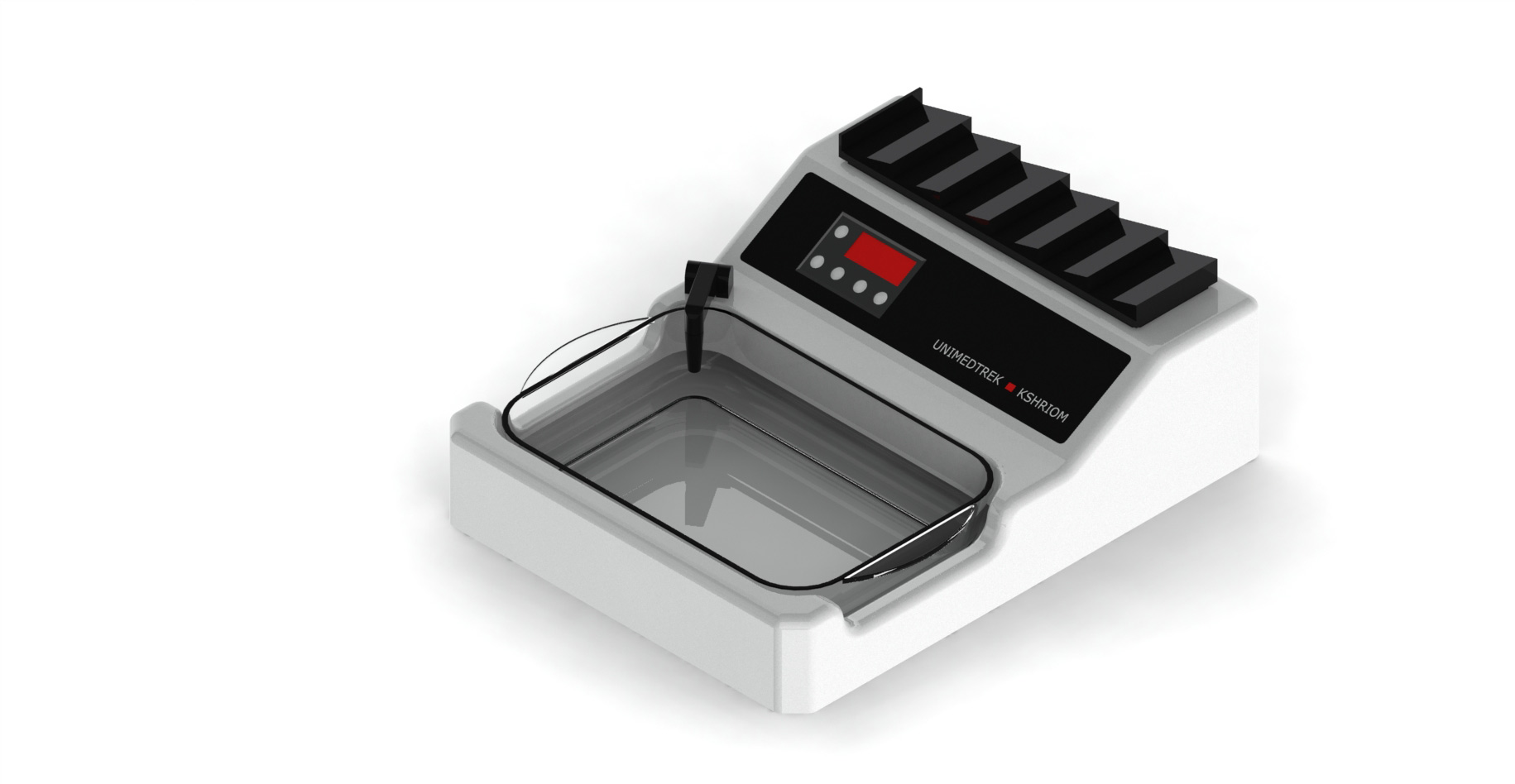
The tissue floatation bath is an essential piece of equipment in histopathology labs, facilitating the precise positioning of tissue sections on slides. Regular maintenance is crucial to ensure that this equipment functions optimally, preventing any disruption in the workflow. A well-maintained floatation bath not only enhances the quality of the tissue sections but also prolongs the life of the equipment itself.
Neglecting maintenance can lead to a variety of issues, such as inconsistent temperatures, contamination of the water bath, and mechanical failures. Understanding the importance of routine care helps technicians and pathologists appreciate their role in maintaining the integrity of their histopathological analyses. By adhering to a structured maintenance routine, labs can avoid costly repairs and ensure that their floatation baths remain reliable and efficient.
Daily Maintenance Tasks
Daily maintenance of the tissue floatation bath involves simple yet effective practices that can significantly enhance its longevity. First and foremost, it is essential to check the water level daily. Maintaining the appropriate water level ensures that the temperature remains stable and that the tissue sections can be adequately floated. If the water level is low, it can lead to uneven heating and affect the quality of the tissue sections.
Another critical daily task is to inspect the temperature of the bath. It is advisable to use a calibrated thermometer to verify that the temperature remains within the desired range. Fluctuations in temperature can cause the tissue sections to adhere poorly to the slides, compromising the quality of the diagnostic work. Additionally, technicians should clean the surface of the bath daily to remove any debris or residues from previous use, as this can lead to contamination and affect the results of subsequent analyses.
Weekly Maintenance Practices
In addition to daily tasks, weekly maintenance practices are vital for the effective functioning of the tissue floatation bath. One of the primary weekly tasks is to thoroughly clean the bath. This involves draining the water, scrubbing the interior surfaces with a mild detergent, and rinsing thoroughly to remove any cleaning agents. This practice helps eliminate any build-up of contaminants that can affect the quality of the tissue sections.
Furthermore, technicians should inspect the heating element and ensure that it is functioning correctly. Any signs of corrosion or damage should be addressed immediately to prevent further issues. Regularly checking the seals and connections can also help identify potential leaks or malfunctions before they escalate into more significant problems. A proactive approach to maintenance can save time and resources in the long run.
Monthly and Quarterly Maintenance Checks
On a monthly basis, it is beneficial to conduct a more in-depth inspection of the tissue floatation bath. This includes checking the calibration of the temperature control system. If discrepancies are found, recalibration may be necessary to ensure accurate temperature readings. Additionally, technicians should assess the condition of the floatation surface for any wear or damage, as this can directly impact the performance of the bath.
Quarterly maintenance checks should involve a comprehensive review of the entire system. This includes assessing the electrical components for any signs of wear, checking the insulation of the heating element, and ensuring that all mechanical parts are functioning smoothly. Keeping a maintenance log can be helpful to track any repairs or replacements made over time, allowing for better planning and budgeting for future maintenance needs.
Common Issues and Troubleshooting
Despite regular maintenance, issues may still arise with the tissue floatation bath. One common problem is inconsistent heating, which can lead to uneven floating of tissue sections. In such cases, it is essential to check the heating element and the thermostat to ensure they are functioning correctly. If the thermostat is faulty, it may need to be replaced to restore proper temperature control.
Another frequent issue is water contamination, which can occur due to the accumulation of debris or residues. If contamination is suspected, it is crucial to drain the bath and perform a thorough cleaning before refilling it with fresh water. Technicians should also monitor the water quality regularly, as poor quality can affect the adhesion of tissue sections and compromise diagnostic outcomes.
Practical Takeaway
Maintaining a tissue floatation bath requires a structured approach that includes daily, weekly, monthly, and quarterly tasks. By adhering to these maintenance routines, histopathology labs can ensure the reliability and precision of their tissue processing workflows. Regular checks and cleanings not only enhance the performance of the equipment but also contribute to the overall quality of histopathological analyses.
FAQs
What type of water should be used in the tissue floatation bath?
It is recommended to use distilled water in the tissue floatation bath to minimize contamination and ensure consistent temperature control.
How can I tell if my tissue floatation bath needs servicing?
Signs that your floatation bath may need servicing include inconsistent temperatures, visible damage to the heating element, and persistent issues with water contamination.
Is it necessary to calibrate the temperature control system regularly?
Yes, regular calibration of the temperature control system is essential to ensure accurate readings and maintain optimal performance of the tissue floatation bath.
Prepared and reviewed by the Unimeditrek technical team based on laboratory practice, installation and service experience. This document explains histopathology workflow, laboratory practice and equipment based on the questions we hear from hospitals, medical colleges and diagnostic laboratories — vendor-neutral where it explains the science and practical where it explains equipment.
Prepared by Unimeditrek Pvt. Ltd.. For product specifications and quotations, contact our team.