Home › Knowledge › Essential Clean Water Practices for Tissue Floatation Bath
Knowledge articleEssential Clean Water Practices for Tissue Floatation Bath
Ensuring quality and accuracy in histopathology
 Tissue Floatation Bath — Unimeditrek" style="max-width:100%;border-radius:10px"/>
Introduction to the Tissue Floatation Bath
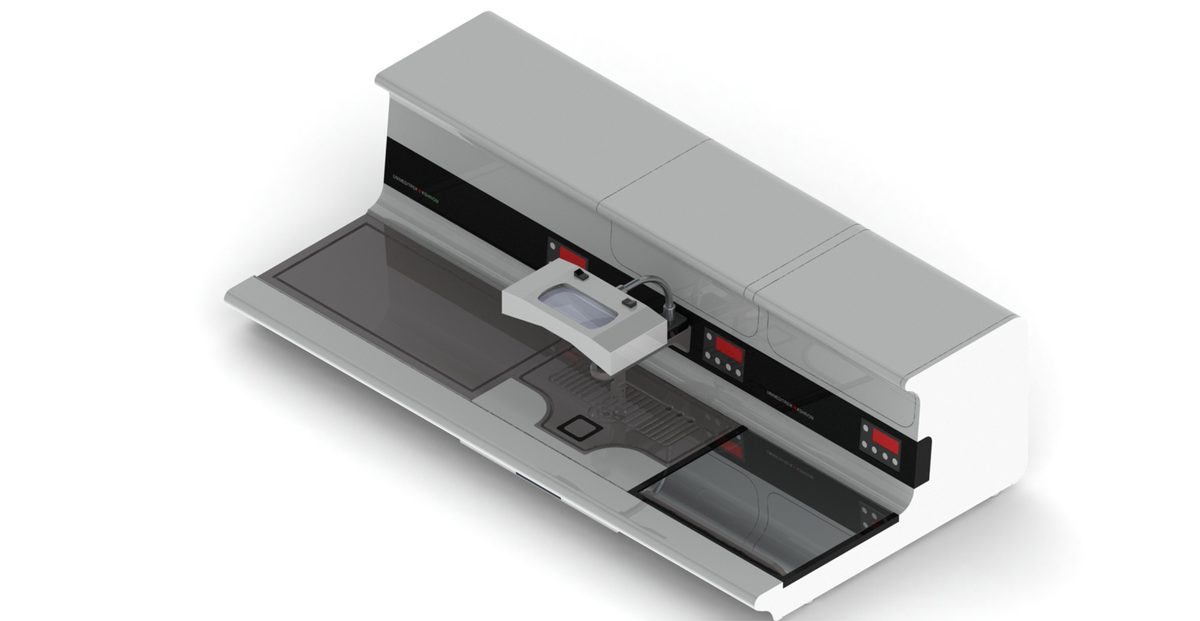
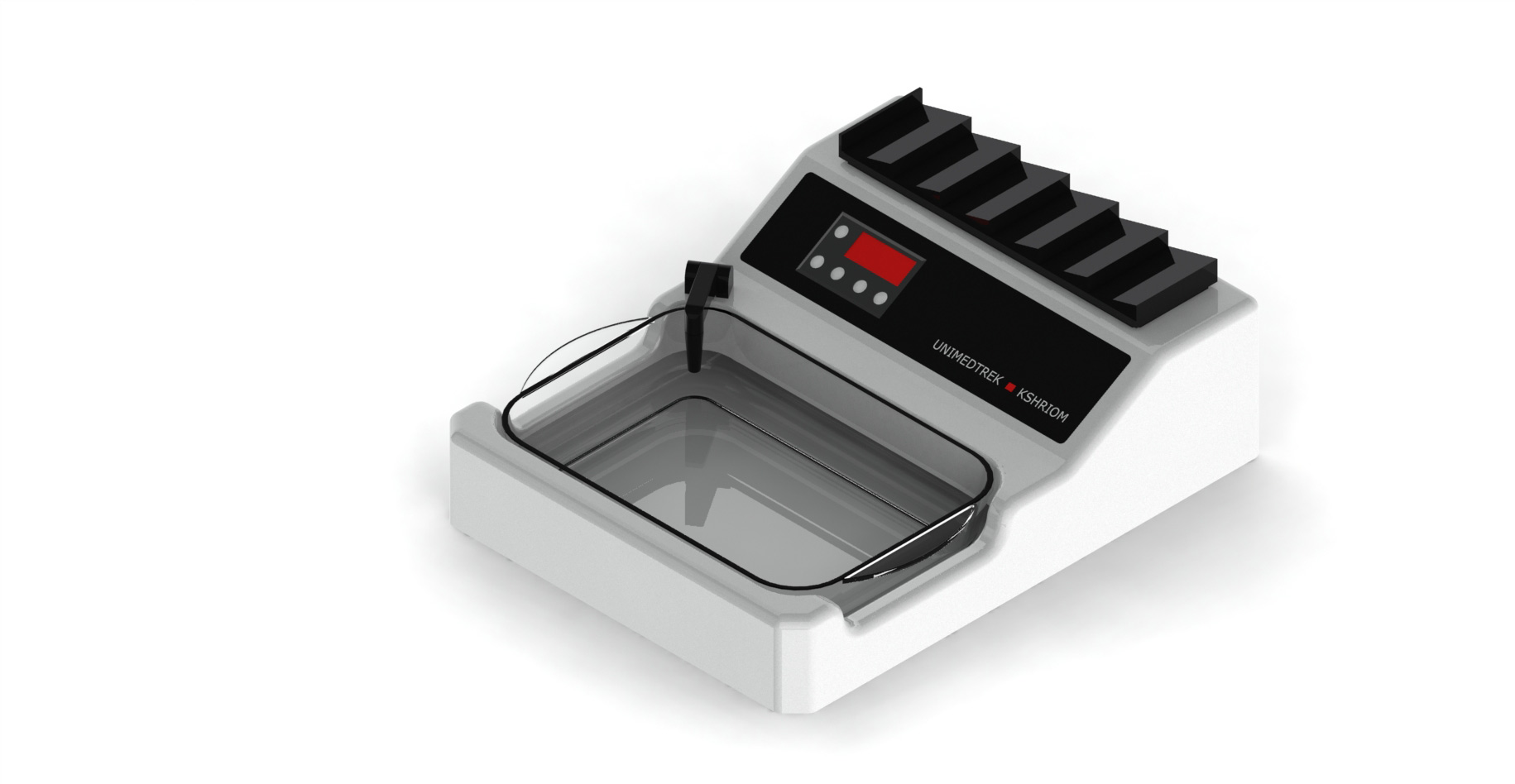
The tissue floatation bath is an essential piece of equipment in histopathology laboratories, playing a crucial role in the preparation of tissue samples for microscopic examination. This apparatus allows for the gentle floating of tissue sections on a warm water surface, enabling proper flattening and orientation before mounting on slides. However, the effectiveness of a tissue floatation bath is significantly influenced by the quality of water used. Clean water practices are vital for maintaining the integrity of the tissue samples and ensuring accurate diagnostic results.
In histopathology, water quality can impact the staining process, tissue preservation, and overall sample morphology. Contaminants in the water can lead to artifacts, which may mislead pathologists during diagnosis. Therefore, implementing clean water practices is not just a matter of routine maintenance; it is fundamental to the reliability of the histopathological analysis.
Importance of Clean Water in Histopathology
Using clean water in the tissue floatation bath helps to minimize the introduction of contaminants that could interfere with the histological evaluation of tissue samples. Contaminated water can introduce ions, microorganisms, and other impurities that may cause tissue degradation or alter staining properties. Consequently, ensuring that the water is free from contaminants is paramount for preserving the quality of tissue sections.
Moreover, clean water contributes to the reproducibility of results. Inconsistent water quality can lead to variations in staining intensity and background clarity, which may result in diagnostic discrepancies. Thus, the practice of using clean water not only enhances the quality of individual samples but also contributes to the overall reliability of histopathological assessments.
Best Practices for Water Quality Management
To maintain clean water in the tissue floatation bath, laboratories should establish a routine water management protocol. This includes regular testing of water quality parameters such as pH, conductivity, and the presence of microbial contaminants. Laboratories should also consider using distilled or deionized water, as these types of water are less likely to introduce impurities compared to tap water.
Additionally, regular cleaning and maintenance of the tissue floatation bath itself are crucial. This includes draining and cleaning the bath at regular intervals, ensuring that any residues or contaminants are removed. Implementing a schedule for cleaning, along with proper documentation, can help maintain high standards of hygiene and water quality in the laboratory.
Monitoring and Testing Water Quality
Regular monitoring and testing of water quality is a critical component of clean water practices in histopathology labs. Laboratories should utilize appropriate testing methods to evaluate water for microbial contamination and chemical impurities. Simple tests can be performed using portable water quality meters, which can provide instant feedback on parameters such as pH and conductivity.
In addition to in-lab testing, it may be beneficial to periodically send water samples to accredited laboratories for comprehensive analysis. This can help identify potential issues that may not be detectable through routine testing. Keeping a record of water quality tests can also assist in identifying trends over time, allowing for proactive measures to be taken before problems arise.
Training and Awareness for Laboratory Staff
Ensuring that laboratory staff are well-trained and aware of the importance of clean water practices is essential for maintaining high standards in histopathology. Training sessions can cover topics such as the impact of water quality on tissue processing, the significance of regular maintenance of the tissue floatation bath, and the proper methods for testing water quality.
Creating a culture of cleanliness and quality awareness within the laboratory can lead to better adherence to protocols and procedures. Regular refresher courses and discussions about water quality can help keep the importance of these practices at the forefront of laboratory operations, ultimately contributing to improved diagnostic outcomes.
Practical Takeaway
In summary, clean water practices are vital for the effective operation of the tissue floatation bath in histopathology laboratories. By implementing robust water management protocols, conducting regular testing, and ensuring staff training, laboratories can significantly enhance the quality of their tissue samples and the reliability of their diagnostic results. A commitment to clean water practices not only protects the integrity of tissue specimens but also upholds the standards of histopathological analysis.
FAQs
What type of water should be used in the tissue floatation bath?
It is recommended to use distilled or deionized water in the tissue floatation bath to minimize impurities and contaminants.
How often should the tissue floatation bath be cleaned?
The tissue floatation bath should be cleaned regularly, with a recommended schedule that includes draining and cleaning after a certain number of uses or daily, depending on laboratory protocols.
What are the consequences of using contaminated water in histopathology?
Using contaminated water can lead to artifacts in tissue samples, affecting staining quality and potentially leading to misdiagnosis.
Prepared and reviewed by the Unimeditrek technical team based on laboratory practice, installation and service experience. This document explains histopathology workflow, laboratory practice and equipment based on the questions we hear from hospitals, medical colleges and diagnostic laboratories — vendor-neutral where it explains the science and practical where it explains equipment.
Prepared by Unimeditrek Pvt. Ltd.. For product specifications and quotations, contact our team.