Home › Knowledge › Embedding Station Total Cost of Ownership: Wax, Moulds and Maintenance
Knowledge articleEmbedding Station Total Cost of Ownership: Wax, Moulds and Maintenance
Consumables and upkeep shape the real cost more than the purchase price.
As with most lab kit, an embedding station's real lifetime cost lives in the consumables and upkeep, not the number on the purchase order. Budget for the whole thing and the cheap-looking option sometimes isn't.
Consumables
Paraffin wax, base moulds and cassettes recur without pause — size them to your actual embedding volume rather than guessing. It's the steady drip that adds up.
Maintenance and reliability
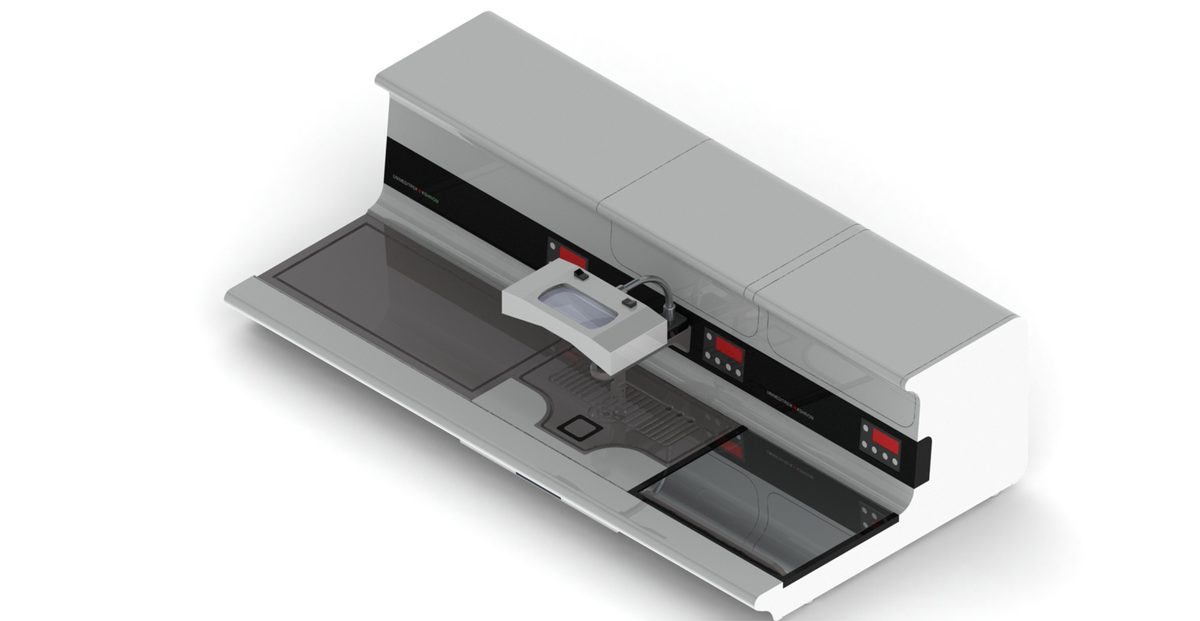
Heated reservoirs, cold plates and dispensers all need upkeep to stay consistent. A station that holds temperature reliably and rarely needs a call-out costs less to live with, whatever it cost to buy.
The quiet cost of recuts
A station that produces soft or poorly oriented blocks costs you at the microtome, in recuts and lost time — often more than any consumable. Treating embedding as a quality step pays back here; see cutting recut rates and the embedding station.
FAQs
What are the ongoing costs of an embedding station?
Paraffin wax, moulds and cassettes, plus occasional maintenance of the heated/cooled modules.
How do I reduce embedding costs?
Right-size consumables, maintain the modules, and cut recuts with firm, well-cooled blocks.
Prepared and reviewed by the Unimeditrek technical team based on laboratory practice, installation and service experience. This document explains histopathology workflow, laboratory practice and equipment based on the questions we hear from hospitals, medical colleges and diagnostic laboratories — vendor-neutral where it explains the science and practical where it explains equipment.
Prepared by Unimeditrek Pvt. Ltd.. For product specifications and quotations, contact our team.