Home › Knowledge › Dip-Time and Sequence Control for Consistent Contrast
Knowledge articleDip-Time and Sequence Control for Consistent Contrast
Understanding Key Features of the Linear Slide Staining Machine
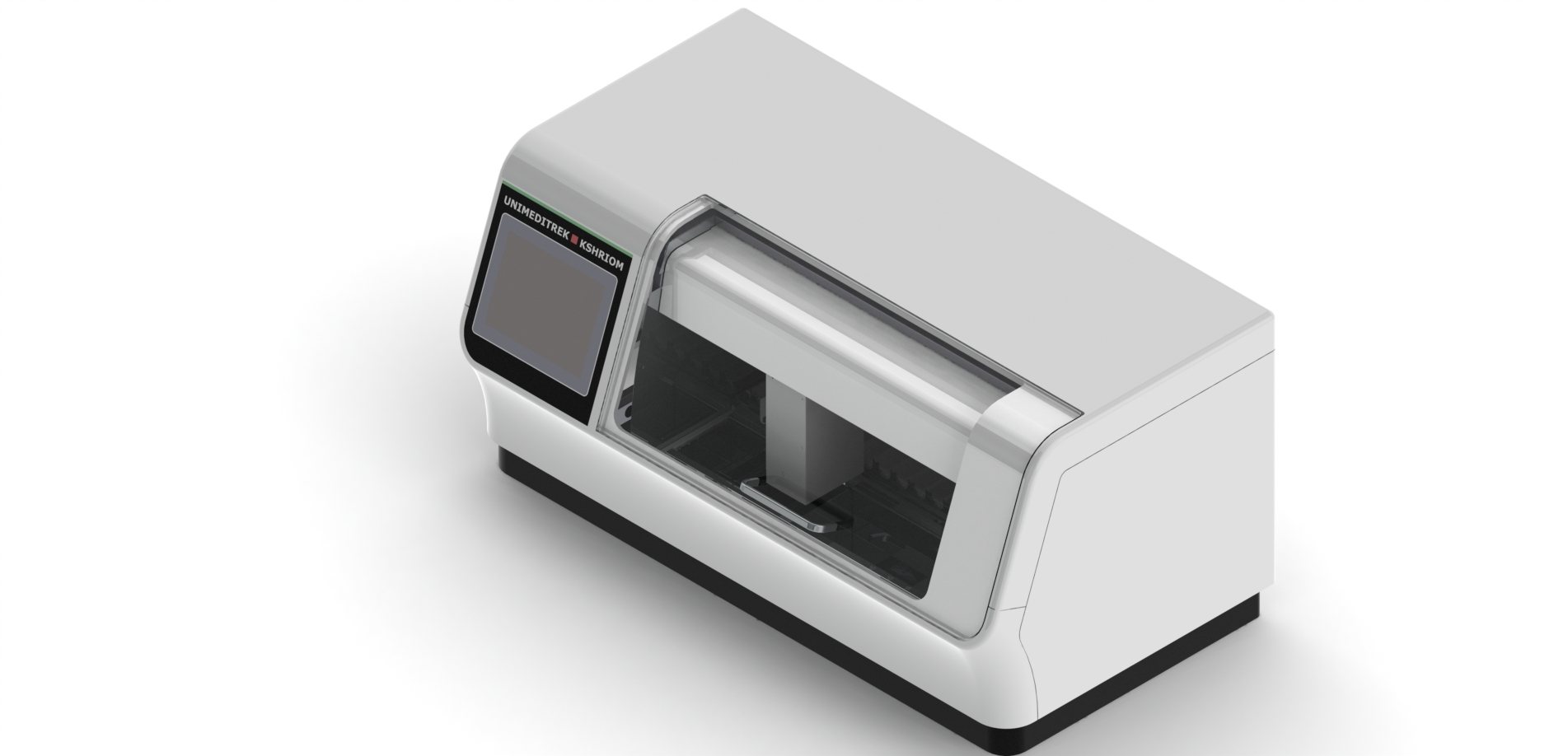 Automatic Slide Staining Machine — Unimeditrek" style="max-width:100%;border-radius:10px"/>
Introduction to Staining Consistency
In histopathology, achieving consistent staining results is paramount for accurate diagnosis and analysis. The automatic slide staining machine plays a crucial role in this process, particularly through its dip-time and sequence control features. These elements ensure that every slide receives uniform treatment, which is essential for reliable interpretation of tissue samples. By understanding how dip-time and sequence control work, lab technicians and pathologists can optimize their workflows and improve the quality of their staining results.
Dip-time refers to the duration a slide spends in a staining solution, while sequence control pertains to the order in which the staining reagents are applied. Both factors significantly influence the final contrast and clarity of stained tissues. For instance, insufficient dip-time can lead to under-stained slides, while excessive dip-time may result in over-staining, obscuring important details. Therefore, mastering these parameters is vital for anyone using a linear slide staining machine.
Understanding Dip-Time Control
Dip-time control is a critical aspect of the staining process that directly affects the intensity of staining. Each tissue type may require a specific dip-time to achieve optimal staining results. For example, certain tissues, such as those with dense cellular structures, may need longer exposure to staining solutions compared to more delicate tissues. By utilizing a linear slide staining machine, technicians can program the dip-time for each staining step, ensuring that all slides are treated uniformly.
Moreover, the ability to adjust dip-time allows for flexibility in staining protocols. If a particular batch of tissues requires a different staining intensity, the technician can easily modify the dip-time settings without having to change the entire staining procedure. This adaptability is especially beneficial in research settings where experimental conditions may vary. By fine-tuning dip-time, labs can enhance the reproducibility of their staining results, leading to more reliable analyses.
Sequence Control: The Order of Staining Reagents
Sequence control is another vital feature that affects the outcome of the staining process. The order in which reagents are applied can significantly influence the interaction between the tissue and the staining solutions. For instance, applying a fixative before a stain ensures that the tissue morphology is preserved, which is crucial for accurate interpretation. A linear slide staining machine allows technicians to pre-program the sequence of staining reagents, ensuring that each step is executed in the correct order.
Additionally, sequence control can help streamline complex staining protocols that involve multiple reagents. By automating the sequence, labs can reduce the risk of human error, which is often a significant factor in inconsistent staining results. This automation not only saves time but also enhances the reliability of the staining process. With precise control over the sequence of staining, pathologists can be more confident in the results obtained from their slides.
Optimizing Staining Protocols Through Automation
The integration of dip-time and sequence control in a linear slide staining machine represents a significant advancement in histopathology. Automation of these processes minimizes variability, which is essential for producing high-quality stained slides. By relying on a machine to manage these parameters, technicians can focus on other critical aspects of their work, such as analyzing the stained slides and interpreting the results.
Furthermore, the automation provided by the linear slide staining machine allows for the standardization of staining protocols across multiple users and shifts. This consistency is vital in busy laboratories where different technicians may handle the staining process at different times. By establishing a standardized protocol through the machine's programming capabilities, labs can ensure that all slides are stained uniformly, regardless of who is operating the equipment.
Practical Takeaway for Histopathology Labs
For histopathology labs looking to enhance their staining processes, understanding the importance of dip-time and sequence control is essential. By leveraging the capabilities of a linear slide staining machine, labs can achieve consistent staining results that are crucial for accurate diagnosis. Technicians should take the time to familiarize themselves with the machine's programming features, allowing them to customize dip-times and sequences according to the specific requirements of the tissues being analyzed.
Ultimately, investing time in mastering these controls will lead to improved staining quality, greater efficiency, and more reliable results. As labs continue to evolve with technology, embracing automation in the staining process will be key to maintaining high standards in histopathology.
FAQs
What is dip-time in slide staining?
Dip-time refers to the duration a slide spends in a staining solution, which affects the intensity of the stain applied to the tissue.
Why is sequence control important in staining?
Sequence control ensures that staining reagents are applied in the correct order, which is crucial for preserving tissue morphology and achieving consistent results.
How can automation improve staining processes in labs?
Automation minimizes variability, reduces human error, and allows for standardized protocols, leading to more reliable and reproducible staining results.
Prepared and reviewed by the Unimeditrek technical team based on laboratory practice, installation and service experience. This document explains histopathology workflow, laboratory practice and equipment based on the questions we hear from hospitals, medical colleges and diagnostic laboratories — vendor-neutral where it explains the science and practical where it explains equipment.
Prepared by Unimeditrek Pvt. Ltd.. For product specifications and quotations, contact our team.