Home › Knowledge › Cryostat Maintenance and Frost Management Tips
Knowledge articleCryostat Maintenance and Frost Management Tips
Essential Guide for Optimal Cryostat Performance
Understanding Cryostat Functionality
A cryostat is an essential tool in histopathology that allows for the rapid sectioning of frozen tissue samples. Maintaining the cryostat is crucial to ensure the quality of the sections produced and the overall efficiency of the laboratory workflow. Proper maintenance and frost management can significantly reduce downtime and improve the accuracy of histological evaluations.
Importance of Regular Cryostat Maintenance
Regular maintenance of your cryostat is vital for optimal performance. This includes routine cleaning, checking for mechanical issues, and ensuring that the temperature settings are accurate. A well-maintained cryostat not only prolongs the life of the equipment but also ensures that tissue samples are processed without compromise. Here are some key maintenance tips:
- Daily Cleaning: Clean the cryostat chamber and blade area daily to prevent tissue build-up and cross-contamination.
- Temperature Calibration: Regularly check and calibrate the temperature settings to ensure consistent freezing of samples.
- Blade Maintenance: Replace or sharpen blades as needed to maintain cutting efficiency and precision.
Effective Frost Management Techniques
Frost build-up can hinder the cryostat's performance and lead to inaccurate sectioning. Effective frost management is essential to maintain a clear working environment. Here are some strategies to manage frost:
- Use of Anti-Frost Solutions: Consider applying anti-frost solutions to the cryostat's internal surfaces to minimize ice formation.
- Regular Defrosting: Schedule regular defrosting sessions to remove accumulated frost and ice from the cryostat. This can be done during routine maintenance checks.
- Optimal Temperature Settings: Maintain the cryostat at the optimal operating temperature to prevent excessive frost accumulation.
Integrating Cryostat with Other Histopathology Equipment
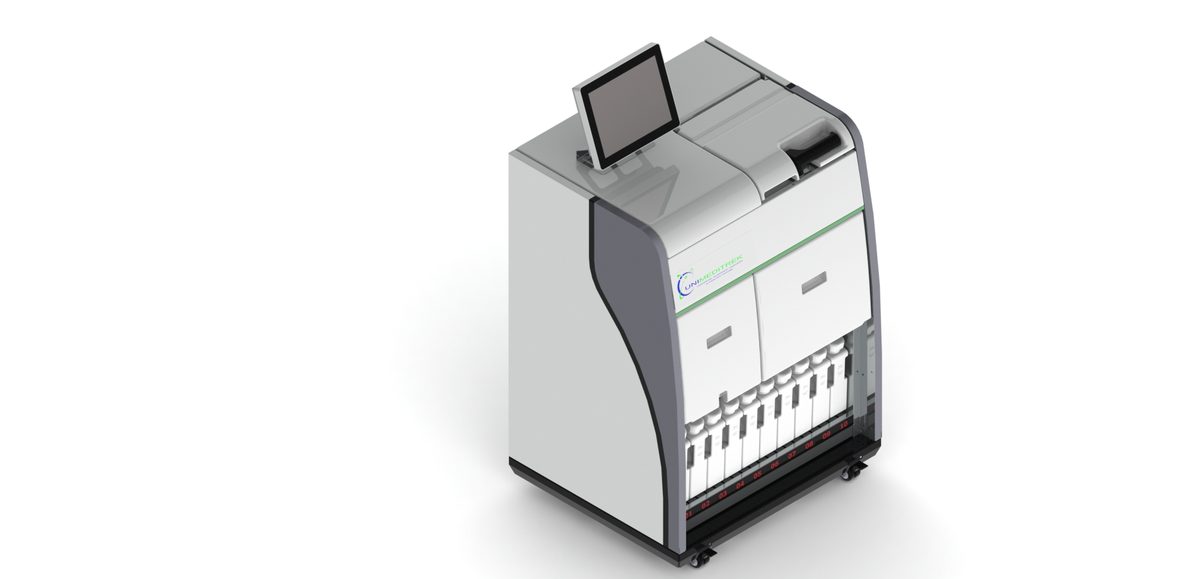
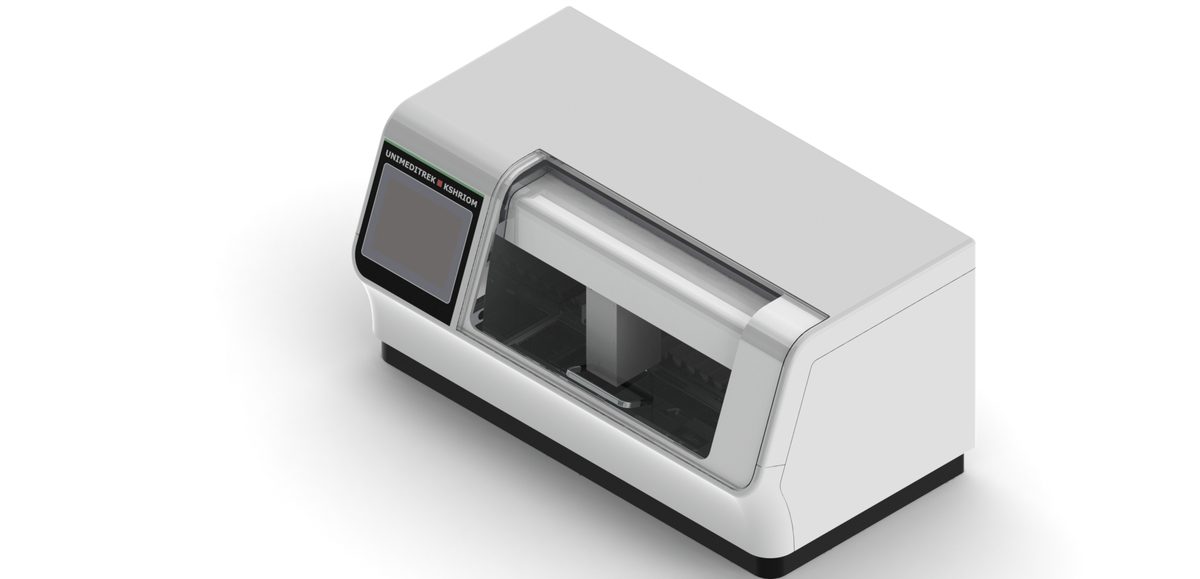
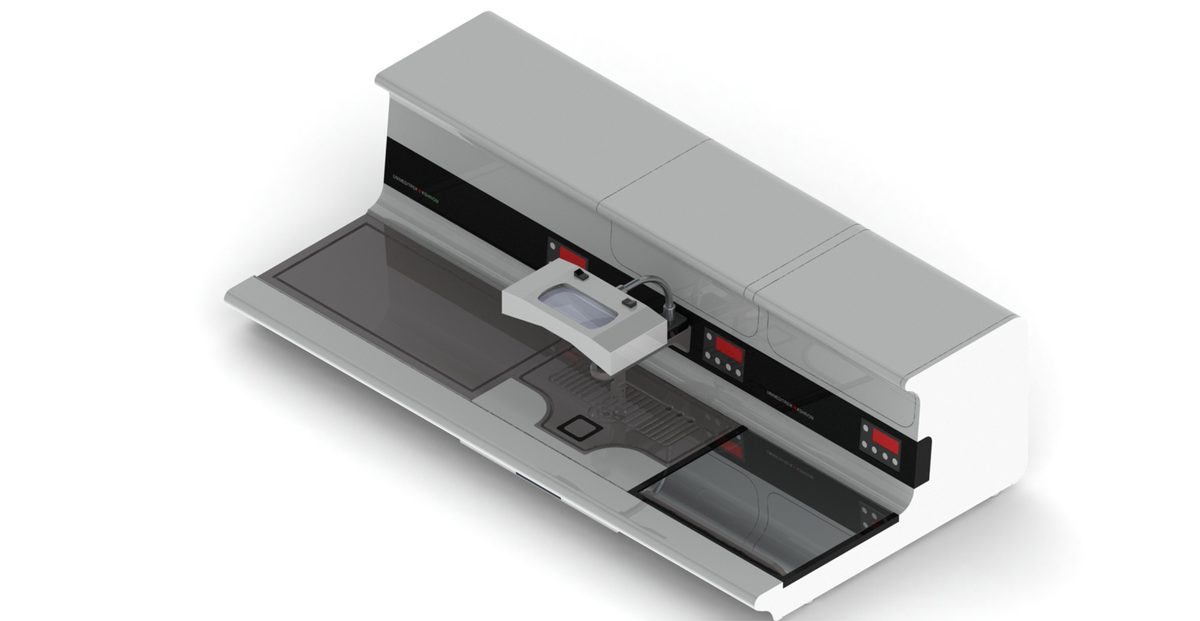
Efficient cryostat operation is often enhanced when integrated with other histopathology equipment. For example, using an Automatic Vacuum Tissue Processor can streamline the processing of tissues before they are frozen. Similarly, the Tissue Embedding Station can aid in preparing samples for cryosectioning, while an Automatic Slide Staining Machine can facilitate the staining process post-sectioning. Each piece of equipment plays a role in ensuring the entire workflow is efficient and effective.
Practical Takeaway
Maintaining your cryostat and managing frost effectively are essential practices that can enhance the reliability of histological results. By implementing regular maintenance routines and integrating your cryostat with other histopathology equipment, you can ensure a smooth workflow and high-quality tissue sections.
FAQs
What causes frost build-up in cryostats?
Frost build-up in cryostats is typically caused by moisture in the air, temperature fluctuations, and inadequate maintenance.
How often should I perform maintenance on my cryostat?
It is recommended to perform daily cleaning and routine maintenance checks weekly to ensure optimal performance.
Prepared and reviewed by the Unimeditrek technical team based on laboratory practice, installation and service experience. This document explains histopathology workflow, laboratory practice and equipment based on the questions we hear from hospitals, medical colleges and diagnostic laboratories — vendor-neutral where it explains the science and practical where it explains equipment.
Prepared by Unimeditrek Pvt. Ltd.. For product specifications and quotations, contact our team.