Home › Knowledge › Creating a NABL-Ready Reagent Change Log for Tissue Processors
Knowledge articleCreating a NABL-Ready Reagent Change Log for Tissue Processors
A guide for histopathology labs on compliance and efficiency
Understanding NABL Standards
The National Accreditation Board for Testing and Calibration Laboratories (NABL) provides a framework of standards that laboratories must adhere to in order to ensure quality and reliability in testing. For histopathology labs, compliance with NABL standards is crucial not only for maintaining credibility but also for improving the overall quality of diagnostic services provided to patients. One of the key components of NABL compliance is the maintenance of accurate and thorough documentation, particularly when it comes to the reagents used in processes such as tissue processing.
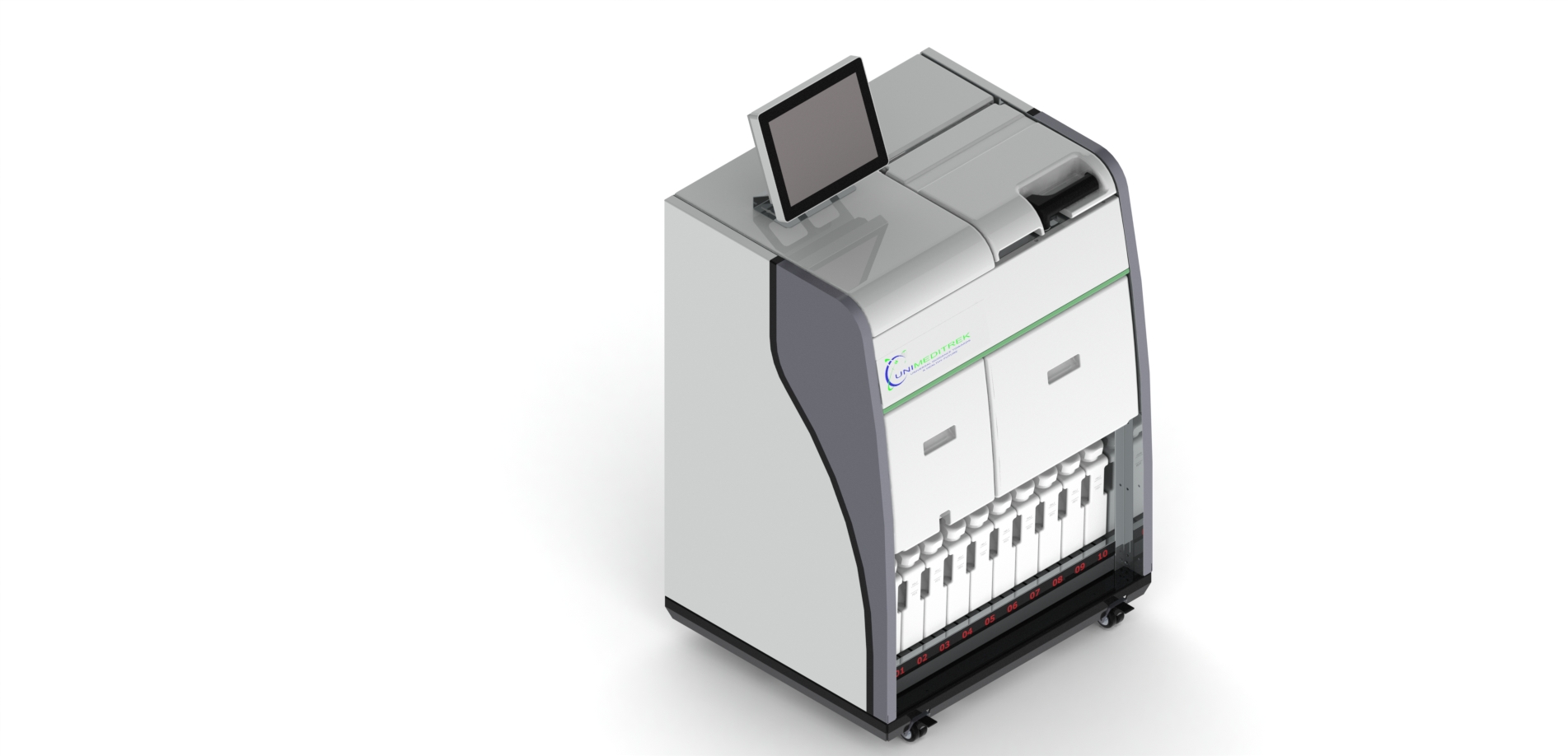
A reagent change log is a vital document that records the details of each reagent used in the fully automatic tissue processor. This log serves multiple purposes: it tracks reagent expiration dates, monitors usage patterns, and aids in troubleshooting any issues that may arise during the processing of tissue samples. By keeping a meticulous log, labs can ensure that they are using reagents that are within their shelf life, thus maintaining the integrity of the samples being processed.
Components of a Reagent Change Log
Creating a useful reagent change log involves several key components. First, each entry should include the name of the reagent, the batch number, and the expiration date. This information is critical for ensuring that only reagents that are still effective are used in the tissue processing workflow. Additionally, the log should document the date of each change, along with the name of the technician who performed the change. This promotes accountability and allows for easier tracking of reagent usage over time.
Another vital aspect of the reagent change log is the inclusion of a section for any observations or notes regarding the reagent's performance. For instance, if a particular batch of reagent did not yield the expected results, documenting this information can help identify potential issues with that specific batch or even with the processing protocol itself. This proactive approach to documentation can ultimately lead to improved outcomes and more efficient laboratory operations.
Implementing the Reagent Change Log in Practice
Once you have outlined the components of the reagent change log, implementing it in your histopathology lab requires a structured approach. Begin by training your staff on the importance of maintaining the log and how to accurately fill it out. This training should emphasize the link between proper documentation and NABL compliance, as well as the impact of reagent quality on diagnostic accuracy.
Incorporating the reagent change log into your daily workflow can also be facilitated by digitizing the log. Many labs are moving towards electronic systems that allow for real-time updates and easier access to historical data. Digital logs can also include alerts for upcoming expiration dates, ensuring that staff are reminded to replace reagents before they become ineffective. This not only enhances compliance but also streamlines the overall workflow within the lab.
Benefits of a Well-Maintained Reagent Change Log
Maintaining a thorough reagent change log provides numerous benefits to histopathology labs. First and foremost, it enhances the quality of diagnostic services by ensuring that only effective reagents are used in the fully automatic tissue processor. This directly correlates to better tissue processing outcomes, leading to more accurate diagnoses and improved patient care.
Additionally, a well-maintained log can serve as a valuable tool during NABL audits. Having comprehensive documentation readily available demonstrates a lab's commitment to quality and compliance, which can enhance the lab's reputation within the healthcare community. Furthermore, it fosters a culture of accountability and attention to detail among laboratory staff, ultimately contributing to a more efficient and effective laboratory environment.
Practical Takeaway for Histopathology Labs
For histopathology labs seeking to establish or improve their reagent change log, it is essential to prioritize accuracy and consistency in documentation. Regularly review the log for completeness and correctness, and ensure that all staff members understand their responsibilities in maintaining it. By doing so, labs can not only achieve NABL compliance but also enhance the overall quality of their histopathology services.
Further reading
For peer-reviewed depth on histopathology practice and quality, these leading journals are excellent references:
- The Journal of Pathology
- Histopathology (Wiley)
- Modern Pathology (USCAP)
- Archives of Pathology & Laboratory Medicine (CAP)
- American Journal of Clinical Pathology
- Journal of Clinical Pathology (BMJ)
Automatic Tissue Processor — engineered and serviced in India
Unimeditrek manufactures the Automatic Tissue Processor with pan-India installation and service. Explore the full specifications, request a demo, or register to download the brochure — direct from the manufacturer.
View Automatic Tissue Processor & request a quote →FAQs
What is the purpose of a reagent change log?
A reagent change log tracks the details of each reagent used, ensuring compliance with NABL standards and maintaining the quality of tissue processing.
How often should the reagent change log be updated?
The reagent change log should be updated each time a reagent is changed, including details like date, technician name, and any observations regarding the reagent's performance.
Can a reagent change log be digitized?
Yes, digitizing the reagent change log can improve accessibility, allow for real-time updates, and include alerts for upcoming expiration dates.
Prepared and reviewed by the Unimeditrek technical team based on laboratory practice, installation and service experience. This document explains histopathology workflow, laboratory practice and equipment based on the questions we hear from hospitals, medical colleges and diagnostic laboratories — vendor-neutral where it explains the science and practical where it explains equipment.
Prepared by Unimeditrek Pvt. Ltd.. For product specifications and quotations, contact our team.