Home › Knowledge › Common Embedding Mistakes That Cause Recuts
Knowledge articleCommon Embedding Mistakes That Cause Recuts
Avoiding pitfalls in the paraffin embedding process
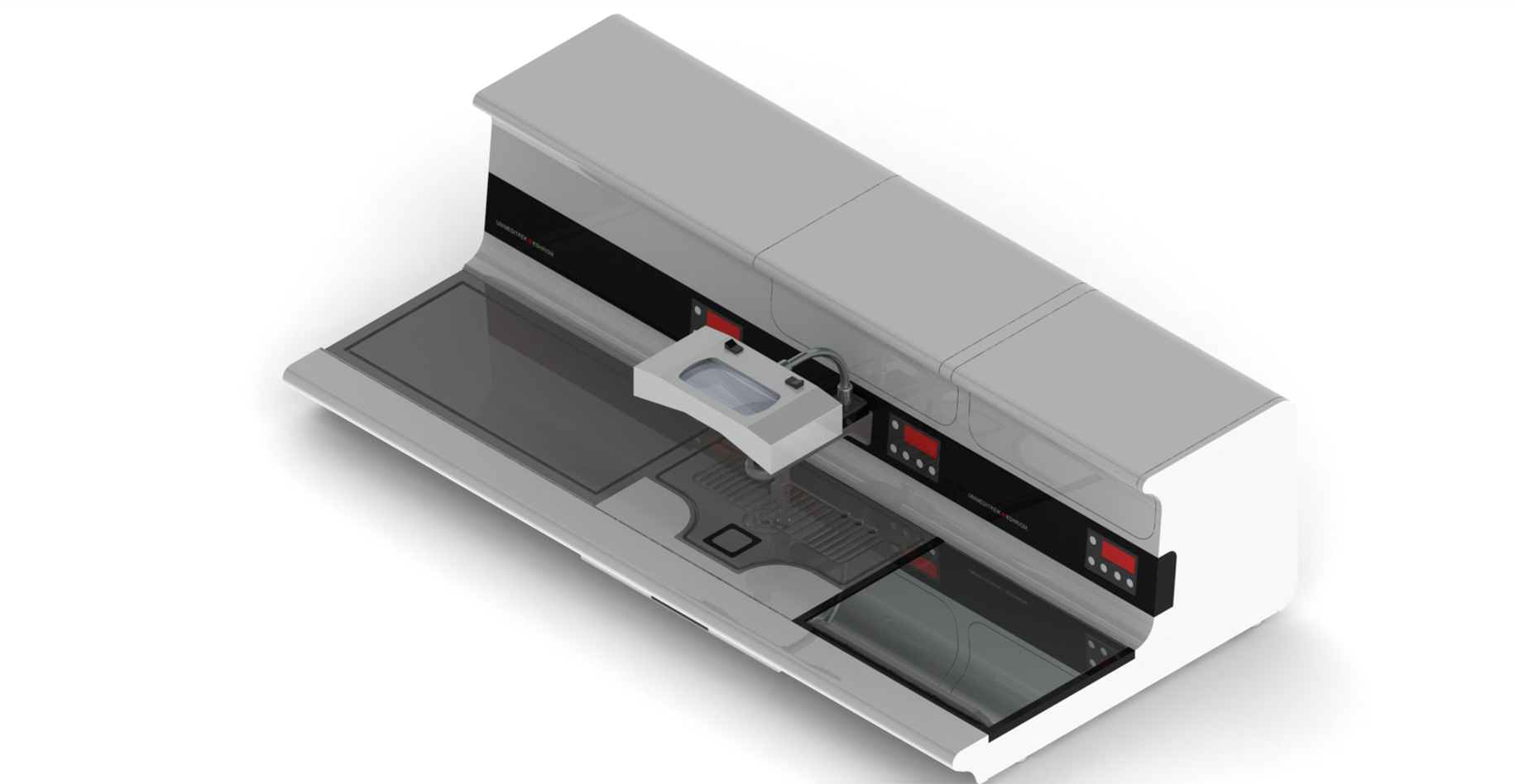 Tissue Embedding Station — Unimeditrek" style="max-width:100%;border-radius:10px"/>
Understanding the Importance of Proper Embedding
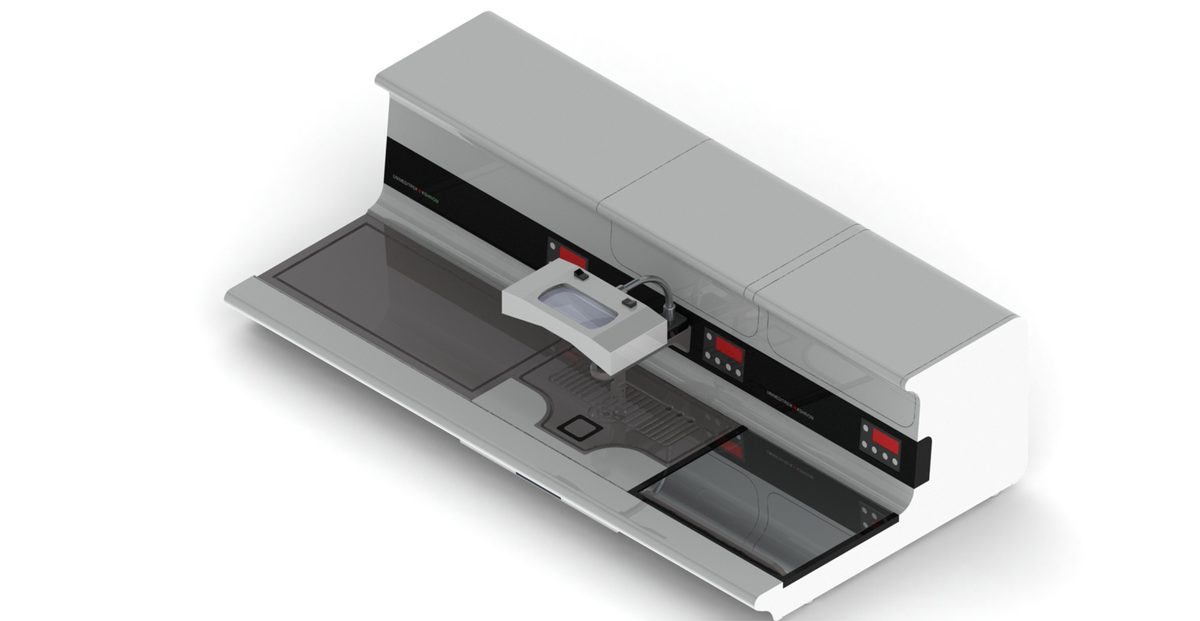
In histopathology, the embedding process is a critical step that ensures tissue samples are adequately preserved for sectioning and analysis. A paraffin embedding station plays a vital role in this process, as it allows for the infiltration of paraffin wax into the tissue, providing the necessary support for thin sectioning. However, improper embedding can lead to a host of issues, including recuts, which can compromise the quality of diagnostic results.
When embedding is performed correctly, it should result in well-formed tissue blocks that are easy to cut and yield uniform sections. If mistakes occur during this phase, it not only leads to the need for recuts but can also affect the staining process and overall histological evaluation. Understanding the common mistakes in embedding can help pathologists and lab technicians improve their techniques and ensure high-quality results.
Common Mistakes in Tissue Processing
The first step in the embedding process is proper tissue processing. If the tissue is not adequately fixed or dehydrated, it can lead to poor infiltration of paraffin. Insufficient fixation can result in tissue undergoing autolysis or putrefaction, while inadequate dehydration can leave moisture within the sample, preventing the paraffin from properly penetrating the tissue. This can lead to fragile blocks that crumble or sections that are difficult to cut.
Moreover, the choice of embedding medium is also crucial. While paraffin is the most common embedding medium, different types of paraffin waxes exist, each with unique properties. Lab technicians must ensure they are using the appropriate type of paraffin for the specific tissue type being processed. Using a paraffin embedding station that allows for temperature control can also help in maintaining the integrity of the wax during the embedding process.
Inadequate Orientation of Tissue Samples
Another common mistake is the improper orientation of tissue samples during embedding. It is essential to orient the tissue in such a way that the area of interest is positioned correctly for sectioning. If the tissue is not oriented properly, it can lead to sections that miss significant pathology or anatomical features, necessitating recuts to obtain the desired sections.
Proper orientation can be achieved by carefully examining the tissue and determining the best angle for embedding. Using a paraffin embedding station with features that allow for easy manipulation and positioning of the tissue can greatly enhance this process. Additionally, documenting the orientation of samples can help in maintaining consistency and accuracy throughout the embedding process.
Temperature Control During Embedding
Temperature control is a critical factor in the embedding process. If the paraffin is too hot, it can cause the tissue to become damaged, while if it is too cool, it may not infiltrate the tissue adequately. It is essential to monitor the temperature of the paraffin embedding station closely to ensure optimal conditions for embedding.
Using a paraffin embedding station that provides consistent heating and allows for easy temperature adjustments can help mitigate this issue. Additionally, lab technicians should be trained to recognize the signs of overheating or inadequate infiltration, enabling them to make necessary adjustments during the embedding process.
Neglecting the Quality of Paraffin Wax
The quality of the paraffin wax used in the embedding process can significantly impact the outcome. Low-quality paraffin may contain impurities or inconsistent melting points, which can lead to poor infiltration and block formation. It is crucial to use high-quality paraffin that is specifically designed for histological embedding.
Lab technicians should be aware of the importance of sourcing paraffin from reputable suppliers and ensuring that it meets the necessary standards for histological work. Regularly checking the quality of the paraffin and replacing it when necessary can help maintain the integrity of the embedding process and reduce the incidence of recuts.
Practical Takeaway
To minimize recuts and enhance the quality of embedded tissue samples, histopathology labs should focus on proper tissue processing, orientation, temperature control, and the quality of paraffin wax. Training lab technicians on these common pitfalls and implementing best practices can lead to improved outcomes in histological evaluations.
FAQs
What is the role of a paraffin embedding station in histopathology?
A paraffin embedding station is essential for infiltrating tissue samples with paraffin wax, providing support for sectioning and ensuring sample integrity.
How can I prevent recuts in my histopathology lab?
To prevent recuts, ensure proper tissue processing, orientation, temperature control, and use high-quality paraffin wax during embedding.
What are the consequences of improper embedding techniques?
Improper embedding can lead to fragile tissue blocks, missed pathology in sections, and ultimately, compromised diagnostic results.
Prepared and reviewed by the Unimeditrek technical team based on laboratory practice, installation and service experience. This document explains histopathology workflow, laboratory practice and equipment based on the questions we hear from hospitals, medical colleges and diagnostic laboratories — vendor-neutral where it explains the science and practical where it explains equipment.
Prepared by Unimeditrek Pvt. Ltd.. For product specifications and quotations, contact our team.