Home › Knowledge › Choosing the Right Stainer for Your Slide Volume
Knowledge articleChoosing the Right Stainer for Your Slide Volume
A guide to optimizing your staining process
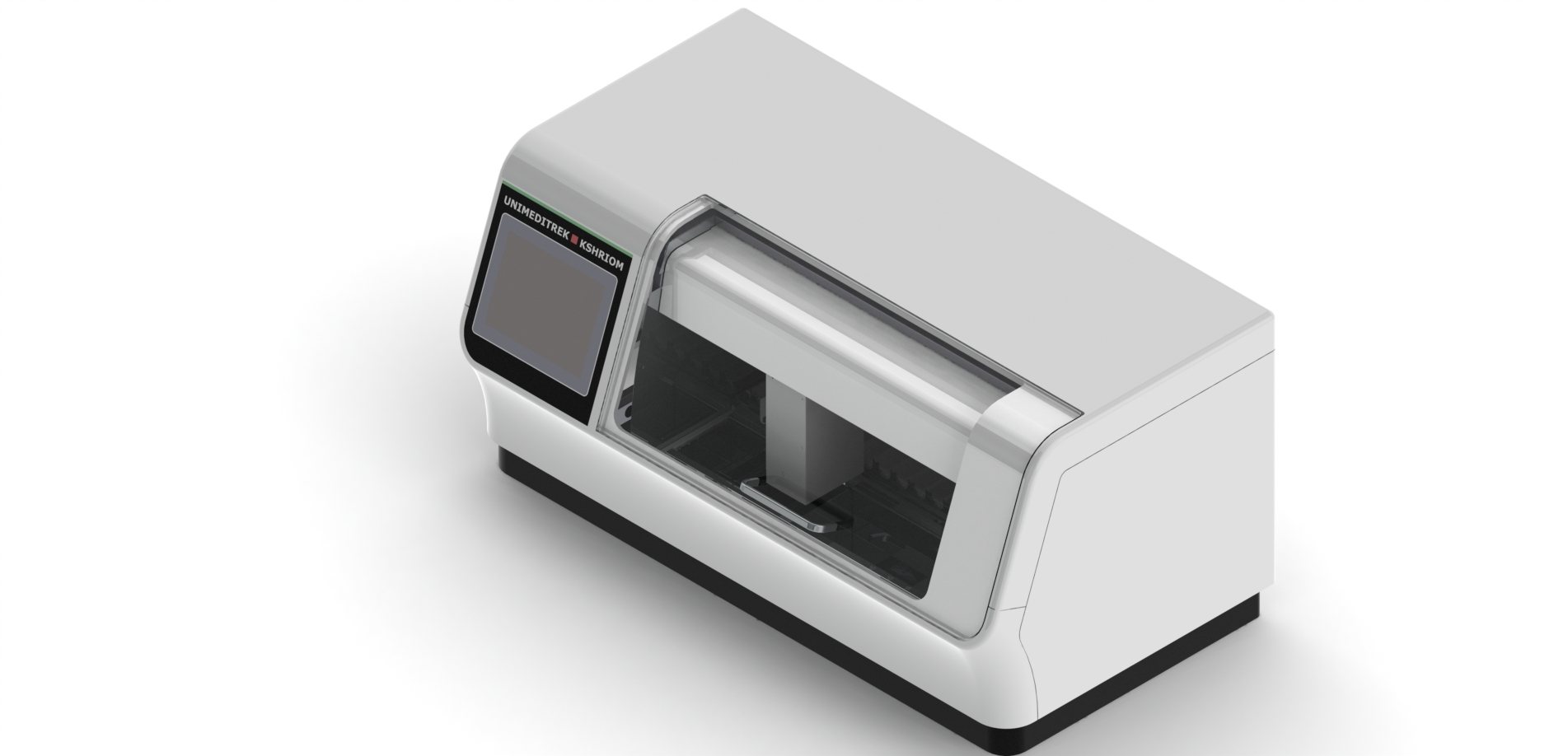 Automatic Slide Staining Machine — Unimeditrek" style="max-width:100%;border-radius:10px"/>
Understanding Slide Volume Requirements
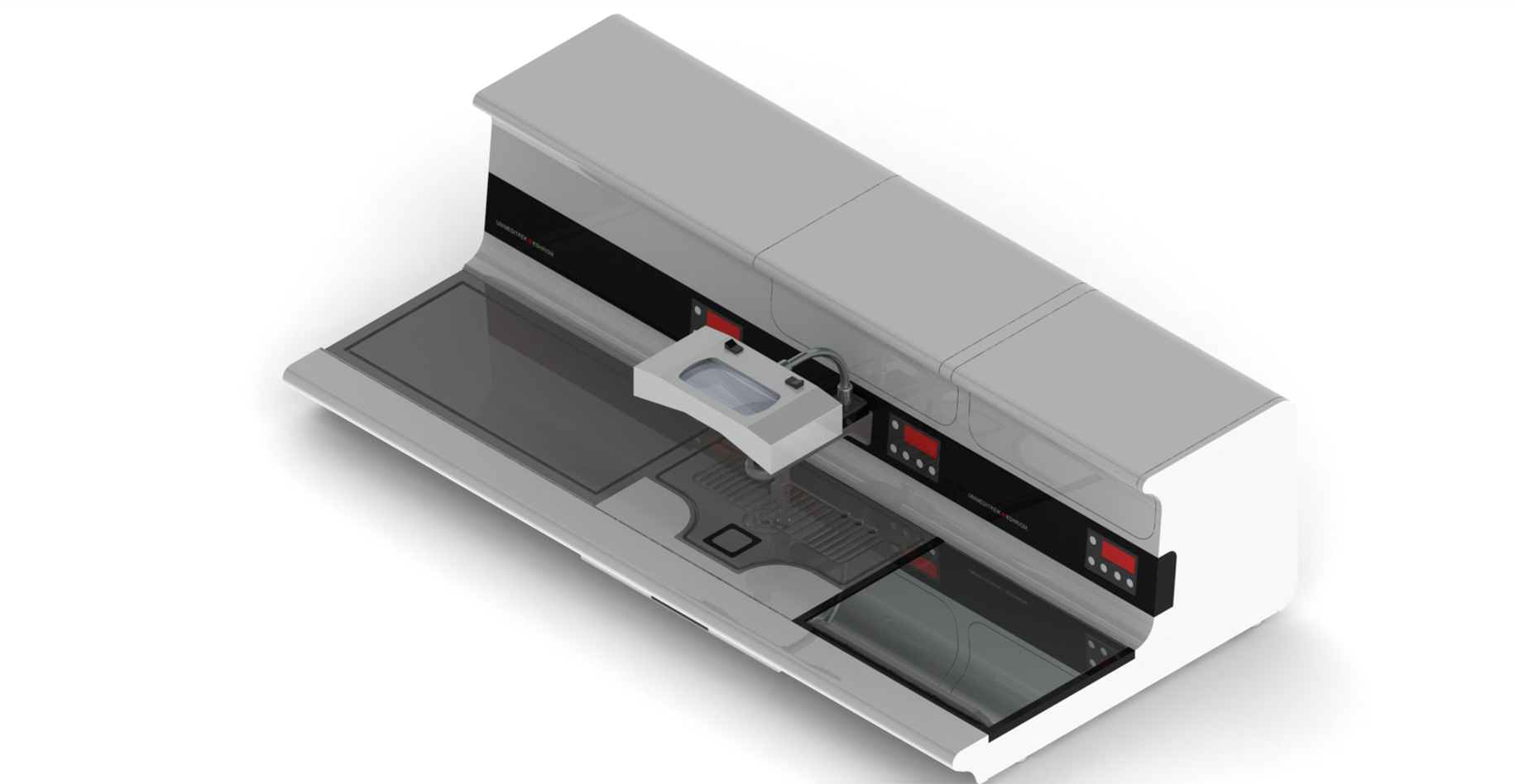
In histopathology labs, the volume of slides processed can vary significantly based on the type of work being conducted. Whether you are dealing with routine biopsies or specialized research samples, understanding your slide volume is crucial for selecting the appropriate staining equipment. A linear slide staining machine can be an excellent choice for labs expecting to handle a consistent volume of slides daily, ensuring efficiency and accuracy in staining.
Before investing in a staining machine, it's essential to assess your current slide volume and predict future demands. Factors such as the number of pathologists, the types of cases handled, and even seasonal variations in workload can impact slide volume. By analyzing these aspects, you can make an informed decision about the capacity and capabilities you require from your staining equipment.
Types of Stainers and Their Capacities
There are various types of slide staining machines available, each designed to cater to different workloads and staining protocols. For labs processing a high volume of slides, automated systems like the linear slide staining machine can significantly enhance throughput while minimizing human error. These machines typically feature multiple stations for different reagents, allowing for simultaneous processing of multiple slides.
For smaller labs or those with fluctuating workloads, semi-automated or manual stainers may be more appropriate. These systems can provide flexibility, allowing technicians to adjust the staining process based on the current workload. Understanding the types of stainers available and their respective capacities will help you align your equipment with your lab's specific needs.
Efficiency and Consistency in Staining
One of the primary advantages of using a linear slide staining machine is the efficiency it brings to the staining process. Automated systems can standardize staining protocols, ensuring that each slide receives the same treatment, which is crucial for reproducibility in diagnostic results. This consistency not only improves the quality of the slides but also enhances the overall workflow in the lab.
Additionally, automated stainers can reduce the time technicians spend on manual staining, allowing them to focus on other critical tasks in the lab. This increased efficiency can lead to faster turnaround times for results, which is essential in a clinical setting where timely diagnosis can significantly impact patient care.
Cost Considerations and Budgeting for Equipment
When selecting a staining machine, budget considerations are paramount. While automated systems may require a higher initial investment, the long-term savings in labor costs and increased efficiency can justify the expenditure. It's important to evaluate the total cost of ownership, including maintenance, reagent costs, and potential downtime.
Furthermore, consider the scalability of the equipment. If your lab anticipates growth in slide volume, investing in a linear slide staining machine that can accommodate increased capacity without requiring significant upgrades can be a wise decision. This forward-thinking approach can save your lab from needing to replace equipment prematurely, ensuring that your investment serves you well over time.
Practical Takeaway: Matching Stainers to Slide Volume
In summary, matching your staining equipment to your slide volume is critical for optimizing lab operations. Assess your current and future slide volume needs, consider the types of stainers available, and weigh the cost against the benefits of increased efficiency and consistency. By taking a strategic approach to selecting your staining equipment, you can enhance the productivity and reliability of your histopathology lab.
Further reading
For peer-reviewed depth on histopathology practice and quality, these leading journals are excellent references:
- The Journal of Pathology
- Histopathology (Wiley)
- Modern Pathology (USCAP)
- Archives of Pathology & Laboratory Medicine (CAP)
- American Journal of Clinical Pathology
- Journal of Clinical Pathology (BMJ)
Automatic Slide Staining Machine — engineered and serviced in India
Unimeditrek manufactures the Automatic Slide Staining Machine with pan-India installation and service. Explore the full specifications, request a demo, or register to download the brochure — direct from the manufacturer.
View Automatic Slide Staining Machine & request a quote →FAQs
What factors should I consider when choosing a slide stainer?
You should consider your current and anticipated slide volume, the types of staining protocols you use, and the level of automation you desire.
How can an automated staining machine improve lab efficiency?
An automated staining machine can standardize processes, reduce manual labor, and increase throughput, leading to faster turnaround times and more consistent results.
What are the cost implications of investing in a linear slide staining machine?
While the initial cost may be higher, consider the long-term savings in labor and improved efficiency, which can offset the investment over time.
Prepared and reviewed by the Unimeditrek technical team based on laboratory practice, installation and service experience. This document explains histopathology workflow, laboratory practice and equipment based on the questions we hear from hospitals, medical colleges and diagnostic laboratories — vendor-neutral where it explains the science and practical where it explains equipment.
Prepared by Unimeditrek Pvt. Ltd.. For product specifications and quotations, contact our team.