Home › Knowledge › Choosing the Right Digital Tissue Floatation Bath
Knowledge articleChoosing the Right Digital Tissue Floatation Bath
Maximize your histopathology lab's efficiency
Understanding the Importance of a Digital Tissue Floatation Bath
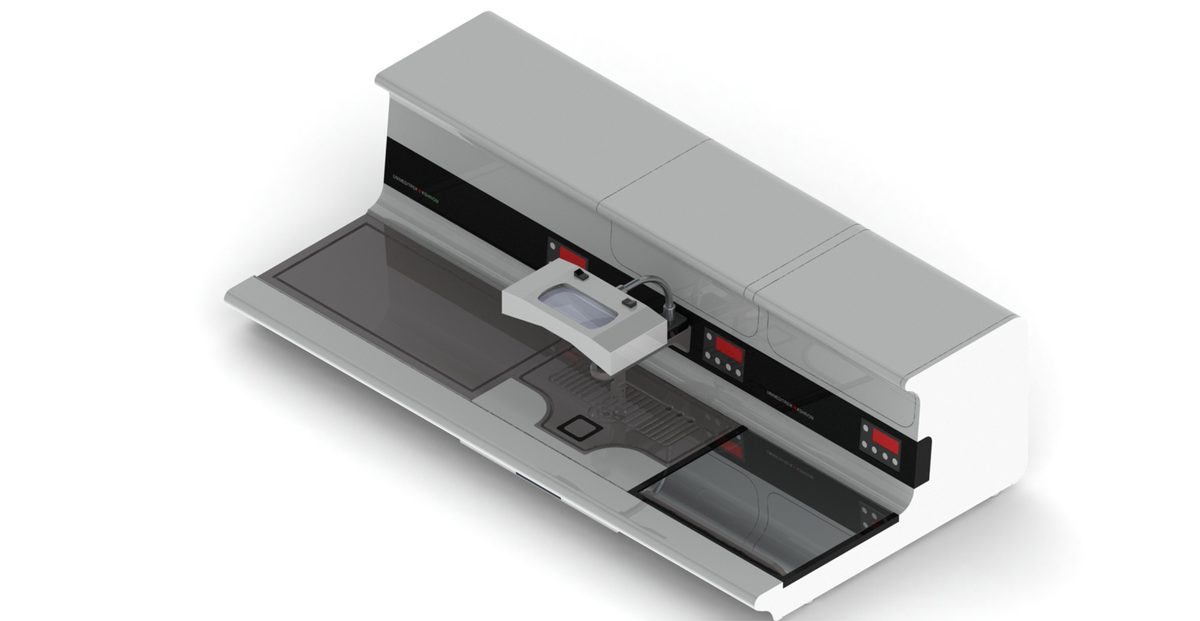
A Digital Tissue Floatation Bath is an essential tool in histopathology laboratories, particularly for the preparation of tissue sections. This equipment allows for the gentle and uniform floating of paraffin-embedded tissue sections on a warm water surface, which is critical for optimal staining and analysis. The controlled temperature settings ensure that the tissue remains intact while allowing for the removal of excess paraffin, thus preserving the morphology of the samples.
Key Features to Look for in a Digital Tissue Floatation Bath
When selecting a Digital Tissue Floatation Bath for your lab, consider the following features:
- Temperature Control: Look for models that offer precise temperature settings. A range of 40°C to 70°C is typically ideal for most tissue types.
- Digital Display: A clear digital display allows for easy monitoring and adjustment of temperature, enhancing usability.
- Size and Capacity: Ensure the bath can accommodate the size of your tissue sections. Larger baths may be necessary for extensive sample sizes.
- Material Quality: A bath made from durable materials will withstand regular use and maintain temperature stability.
- Ease of Cleaning: Consider models with smooth surfaces that are easy to clean, as maintaining hygiene is crucial in histopathology.
Best Practices for Using a Digital Tissue Floatation Bath
To get the most out of your Digital Tissue Floatation Bath, follow these best practices:
- Preheat the Bath: Always preheat the bath to the desired temperature before placing tissue sections to avoid thermal shock.
- Use Appropriate Tools: Employ fine forceps or a micro spatula for handling tissue sections to prevent damage.
- Monitor Temperature Regularly: Regularly check the temperature throughout the day to ensure consistent performance.
- Clean After Use: Clean the bath thoroughly after each use to prevent contamination and maintain the integrity of future samples.
Common Challenges and Solutions
While using a Digital Tissue Floatation Bath, you may encounter some challenges:
- Tissue Wrinkling: This can occur if the temperature is too high or if the sections are not handled carefully. Ensure optimal temperature and use appropriate tools.
- Inconsistent Temperature: If the bath does not maintain a stable temperature, check for proper calibration and maintenance.
- Contamination: Always clean the bath after each use and avoid cross-contamination by using separate tools for different samples.
Conclusion and Practical Takeaway
Investing in a quality Digital Tissue Floatation Bath can significantly enhance the efficiency and accuracy of your histopathology lab. By understanding its features, adhering to best practices, and addressing common challenges, you can maximize the utility of this essential equipment. Always remember, a well-maintained bath not only preserves tissue integrity but also contributes to the overall quality of your histopathological analyses.
FAQs
What is the ideal temperature for a Digital Tissue Floatation Bath?
The ideal temperature typically ranges from 40°C to 70°C, depending on the tissue type.
How often should I clean the Digital Tissue Floatation Bath?
It is recommended to clean the bath after each use to prevent contamination and maintain sample integrity.
Prepared and reviewed by the Unimeditrek technical team based on laboratory practice, installation and service experience. This document explains histopathology workflow, laboratory practice and equipment based on the questions we hear from hospitals, medical colleges and diagnostic laboratories — vendor-neutral where it explains the science and practical where it explains equipment.
Prepared by Unimeditrek Pvt. Ltd.. For product specifications and quotations, contact our team.