Home › Knowledge › Choosing the Right Automatic Tissue Processor
Knowledge articleChoosing the Right Automatic Tissue Processor
Maximize efficiency in histopathology labs
Understanding the Importance of an Automatic Tissue Processor
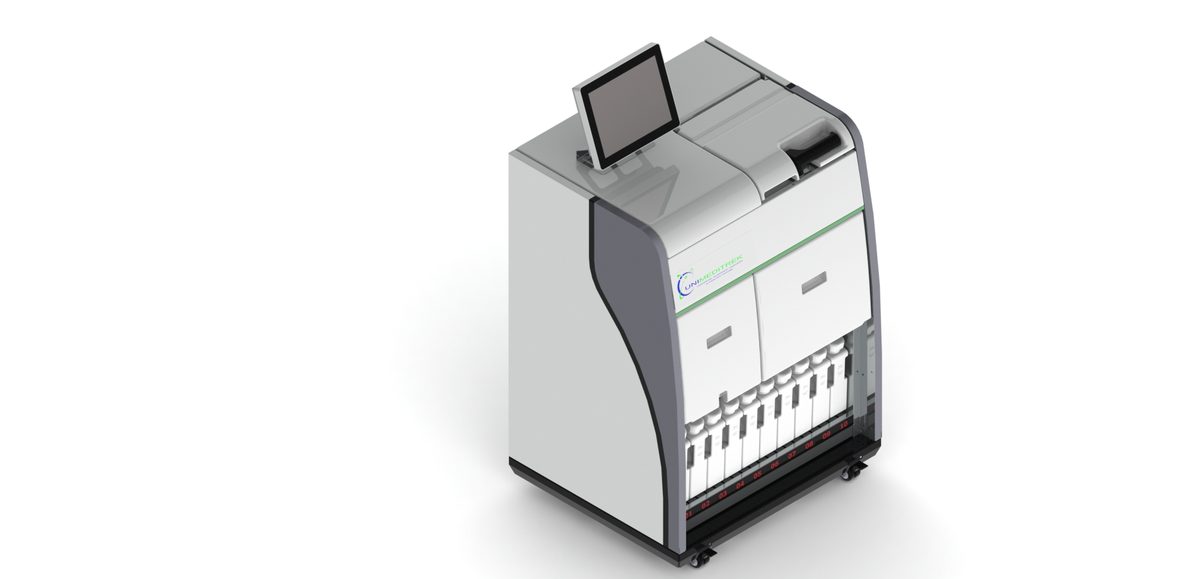
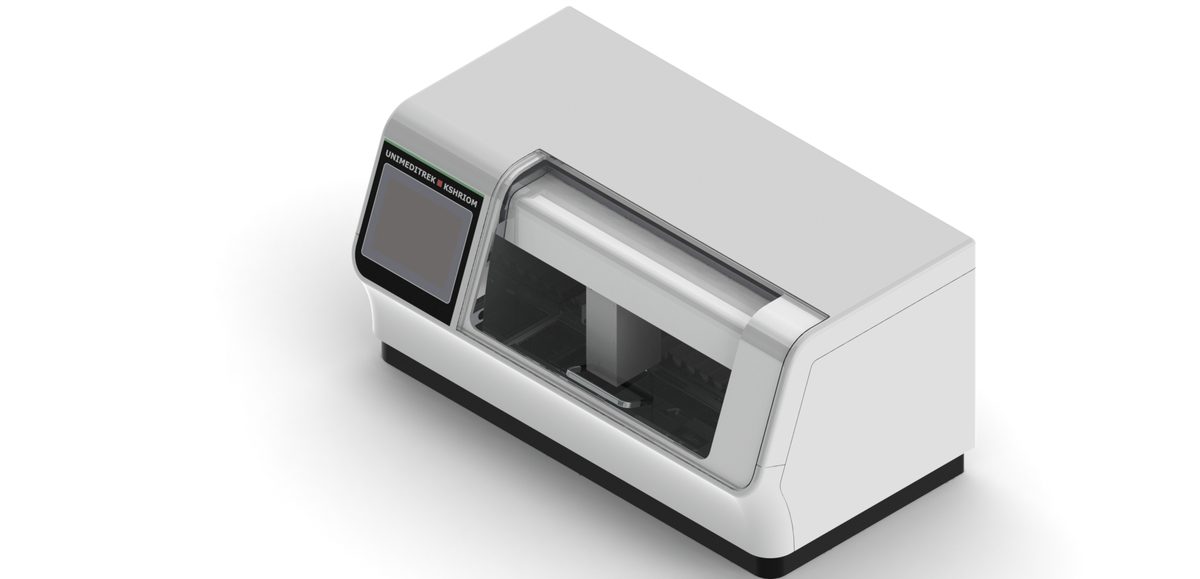
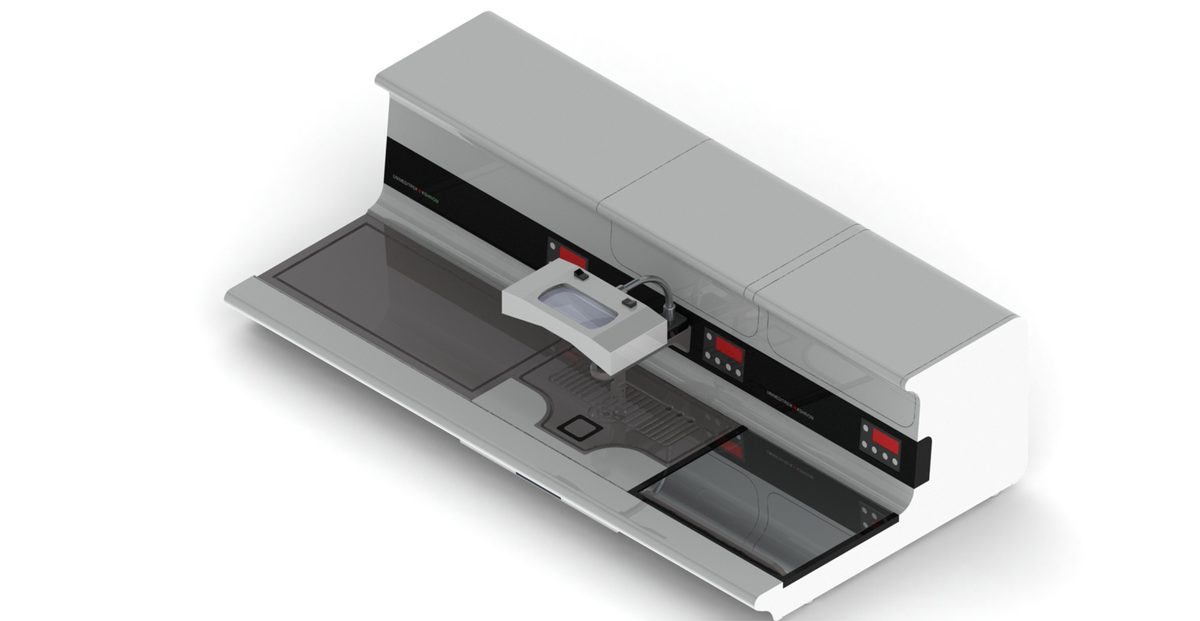
In the realm of histopathology, the efficiency and quality of tissue processing can significantly impact diagnostic outcomes. An Automatic Tissue Processor (ATP) streamlines the preparation of tissue samples, ensuring consistent results while saving valuable time. By automating the dehydration, clearing, and infiltration stages, ATPs help pathologists focus more on analysis and less on repetitive tasks.
Key Features to Consider When Choosing an ATP
- Capacity: Determine the volume of samples your lab processes daily. Ensure the ATP can handle your workload without compromising quality.
- Processing Time: Look for models that offer quick turnaround times without sacrificing the integrity of the tissue. A faster processor can lead to increased productivity.
- Ease of Use: User-friendly interfaces and programmable settings can significantly reduce training time for lab personnel. Choose a model that allows for easy adjustments to protocols.
- Maintenance and Support: Consider the manufacturer's reputation for service and support. A reliable ATP should have accessible technical assistance and easy maintenance procedures.
- Safety Features: Ensure the ATP has safety mechanisms in place to protect users from hazardous chemicals commonly used in tissue processing.
Maximizing the Performance of Your Automatic Tissue Processor
Once you've selected the right ATP for your lab, optimizing its use is crucial for achieving the best results. Here are some practical tips:
- Regular Calibration: Schedule routine calibrations to ensure the machine operates within its specified parameters, which can help maintain the quality of processed samples.
- Standardize Protocols: Develop and document standard operating procedures (SOPs) for using the ATP. Consistency in protocols leads to reproducible results.
- Training Staff: Invest in comprehensive training for all staff members who will operate the ATP. Well-trained personnel can maximize the machine's capabilities and troubleshoot minor issues.
- Monitor Performance: Keep an eye on the processing results and make adjustments as necessary. Regularly review the quality of the processed tissues to identify any areas for improvement.
Conclusion
Choosing the right Automatic Tissue Processor is a critical decision for any histopathology lab. By understanding the key features and implementing best practices for its use, labs can enhance their workflow efficiency and ensure high-quality tissue processing. Ultimately, investing time in selecting the appropriate ATP and training staff will lead to better diagnostic outcomes and improved patient care.
FAQs
What is an Automatic Tissue Processor?
An Automatic Tissue Processor is a machine used in histopathology to automate the processing of tissue samples, improving efficiency and consistency.
How do I maintain my Automatic Tissue Processor?
Regular calibration, cleaning, and adherence to manufacturer guidelines are essential for maintaining an Automatic Tissue Processor.
Prepared and reviewed by the Unimeditrek technical team based on laboratory practice, installation and service experience. This document explains histopathology workflow, laboratory practice and equipment based on the questions we hear from hospitals, medical colleges and diagnostic laboratories — vendor-neutral where it explains the science and practical where it explains equipment.
Prepared by Unimeditrek Pvt. Ltd.. For product specifications and quotations, contact our team.