Home › Knowledge › Choosing Between Carousel and Enclosed Tissue Processors
Knowledge articleChoosing Between Carousel and Enclosed Tissue Processors
A guide for histopathology labs in India
Understanding Tissue Processors
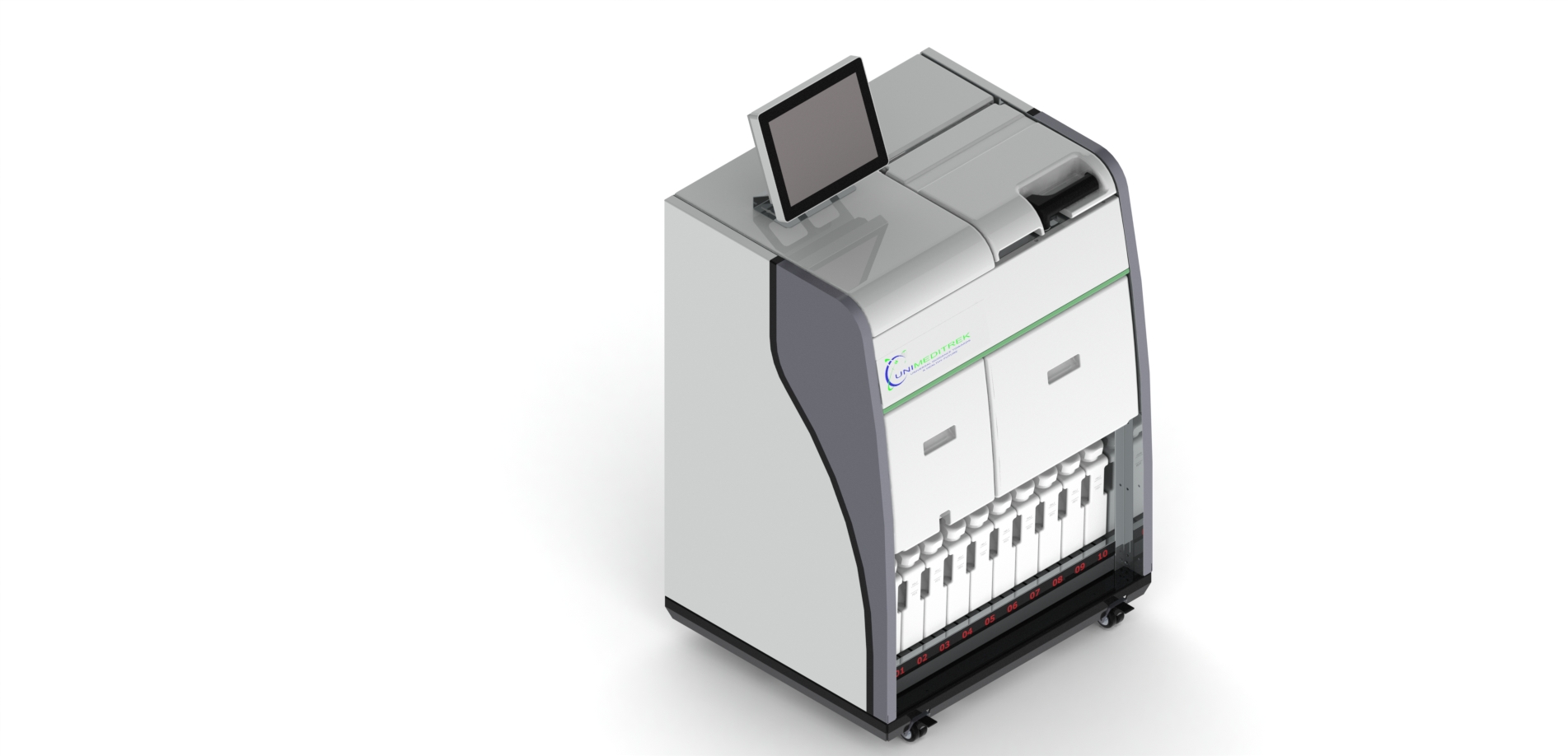
Tissue processors are essential tools in histopathology that facilitate the preparation of tissue samples for microscopic examination. They automate the process of dehydration, clearing, and infiltration, ensuring that samples are adequately treated for optimal results. Choosing the right type of tissue processor can significantly impact the efficiency and quality of your laboratory's workflow.
Two primary types of tissue processors are commonly used in laboratories: carousel and enclosed models. Each type has its own unique features and benefits, making it crucial for pathologists and lab technicians to understand the differences when selecting the right equipment for their needs.
Carousel Tissue Processors: Features and Benefits
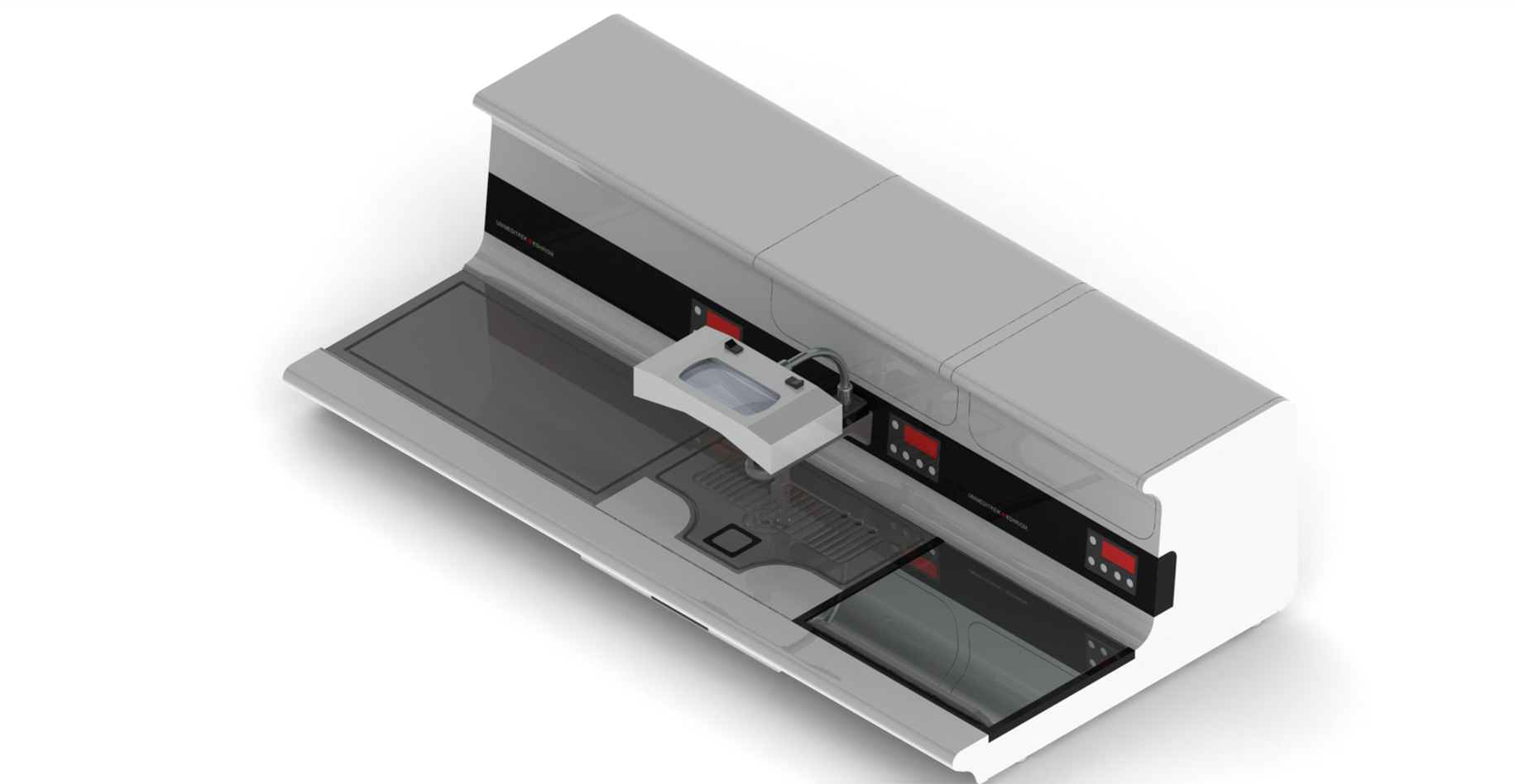
Carousel tissue processors are designed with a rotating carousel that holds multiple tissue containers. This design allows for continuous processing of samples, which can be advantageous for labs handling a high volume of specimens. The exposed nature of carousel processors makes it easier for technicians to monitor the progress of the tissues and make adjustments as necessary.
One of the key benefits of carousel processors is their ease of use. The open design allows for straightforward loading and unloading of samples, which can save time during busy periods. Additionally, many carousel models come equipped with programmable settings that allow technicians to customize processing protocols based on specific tissue types or laboratory requirements.
Enclosed Tissue Processors: Features and Benefits
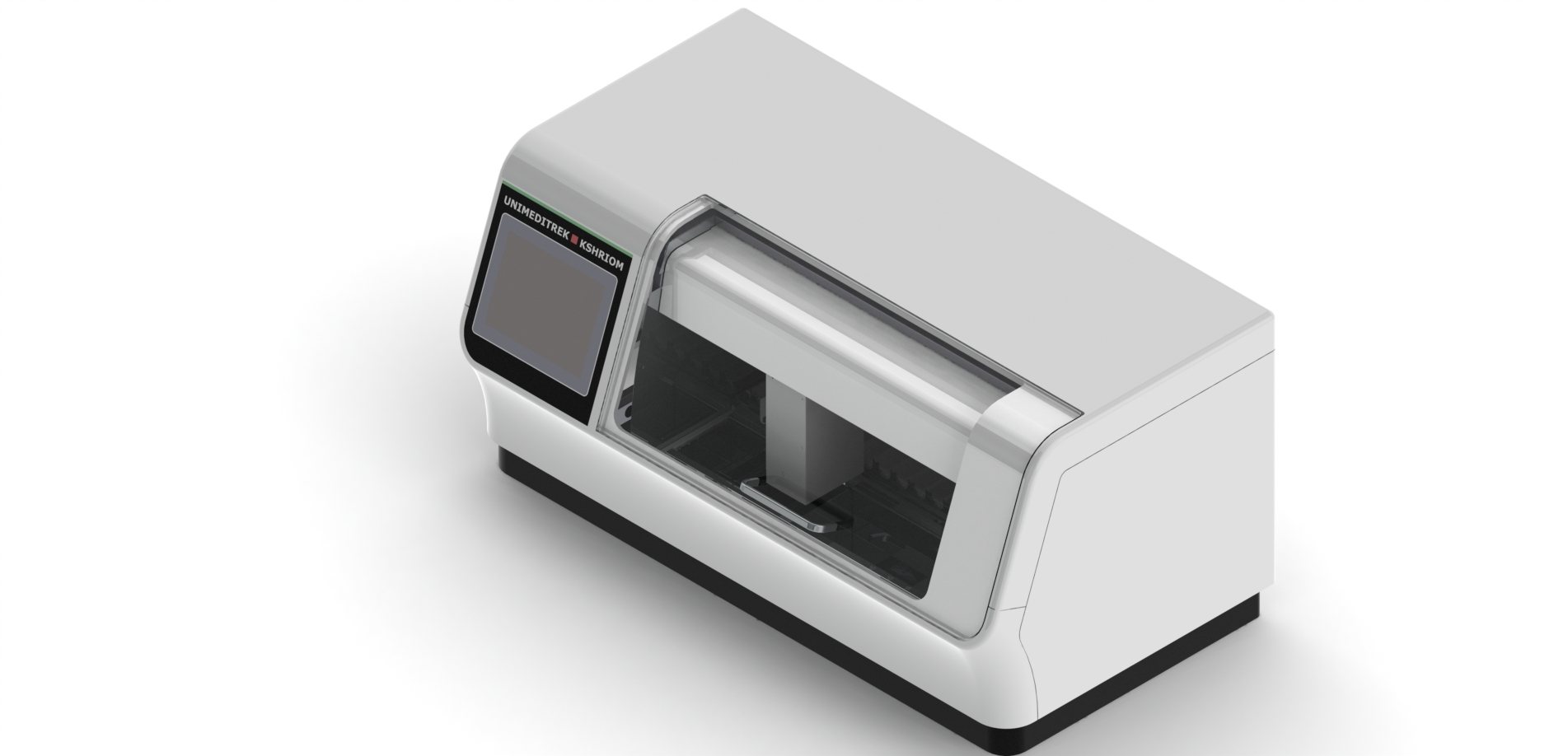
In contrast, enclosed tissue processors feature a sealed chamber that provides a controlled environment for tissue processing. This design minimizes the exposure of reagents to the open air, reducing the risk of contamination and evaporation. As a result, enclosed processors can be more efficient in terms of reagent usage and may lead to more consistent processing results.
Enclosed tissue processors often incorporate advanced safety features, such as fume extraction systems, which protect lab personnel from harmful vapors and chemicals. This is especially important in labs that process a wide variety of tissue types, as some reagents can be hazardous. Furthermore, the closed system helps maintain the integrity of the processing environment, which can be beneficial for sensitive samples.
Factors to Consider When Choosing a Tissue Processor
When deciding between carousel and enclosed tissue processors, several factors should be considered. One of the most critical aspects is the volume of samples your lab processes daily. If your lab frequently handles a high throughput of specimens, a carousel tissue processor may be more suitable due to its capacity for continuous operation.
Another important consideration is the types of tissues being processed. For labs that work with a diverse range of specimens, including those that require specific handling protocols, an enclosed tissue processor may provide the necessary flexibility and safety. Additionally, consider the available space in your lab, as carousel processors typically require more room for operation than their enclosed counterparts.
Cost and Maintenance Considerations
While the initial investment in a tissue processor can be substantial, it is essential to evaluate the long-term costs associated with maintenance and operation. Carousel processors may have lower upfront costs, but they can require more frequent maintenance due to their open design. Conversely, enclosed processors may have higher initial costs but can offer savings in terms of reagent consumption and reduced maintenance needs over time.
Additionally, consider the availability of service and support from manufacturers. Unimeditrek, for example, supplies, installs, and services Automatic Tissue Processors across India, including labs in Jaipur, ensuring that you have access to expert assistance when needed. A reliable service provider can help minimize downtime and ensure that your equipment operates at peak efficiency.
Practical Takeaway
Choosing the right tissue processor is a critical decision for any histopathology lab. By understanding the differences between carousel and enclosed models, and considering factors such as sample volume, tissue types, cost, and maintenance, you can make an informed choice that aligns with your laboratory’s needs. Ultimately, the right tissue processor will enhance your workflow, improve sample quality, and contribute to more accurate diagnostic results.
FAQs
What is the main difference between carousel and enclosed tissue processors?
The main difference lies in their design; carousel processors have an open design for easy monitoring, while enclosed processors are sealed to minimize contamination and enhance safety.
Which type of tissue processor is better for high-volume labs?
Carousel tissue processors are generally better for high-volume labs due to their capacity for continuous operation and straightforward sample handling.
How important is maintenance when choosing a tissue processor?
Maintenance is crucial; it affects the long-term performance and reliability of the tissue processor, so consider the manufacturer's support and service options.
Prepared and reviewed by the Unimeditrek technical team based on laboratory practice, installation and service experience. This document explains histopathology workflow, laboratory practice and equipment based on the questions we hear from hospitals, medical colleges and diagnostic laboratories — vendor-neutral where it explains the science and practical where it explains equipment.
Prepared by Unimeditrek Pvt. Ltd.. For product specifications and quotations, contact our team.