Home › Knowledge › Building NABL-Ready SOPs for Your Tissue Embedder
Knowledge articleBuilding NABL-Ready SOPs for Your Tissue Embedder
A guide to creating effective documentation for histopathology labs
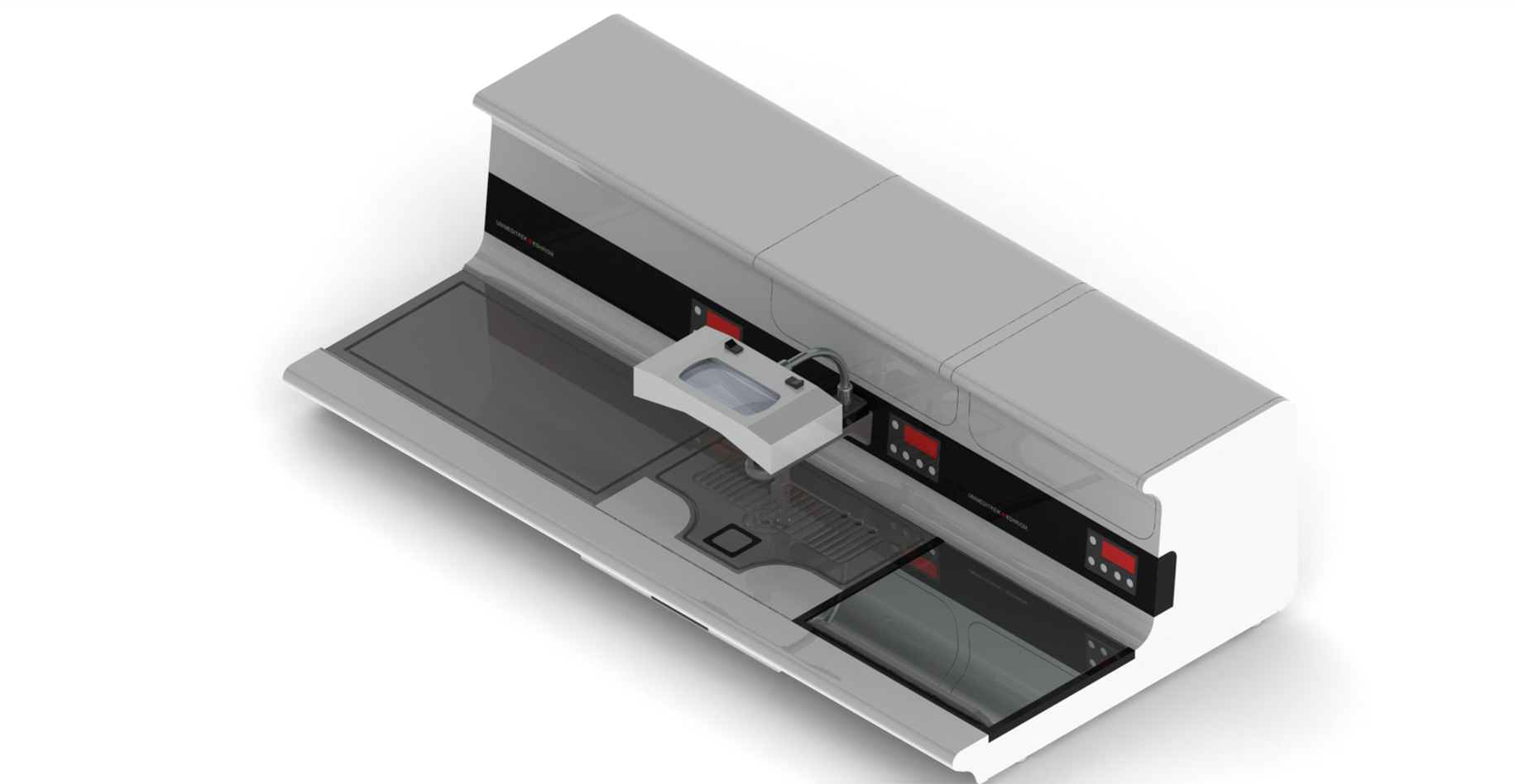 Tissue Embedding Station — Unimeditrek" style="max-width:100%;border-radius:10px"/>
Understanding NABL Standards
The National Accreditation Board for Testing and Calibration Laboratories (NABL) sets forth standards that ensure laboratories maintain a high level of quality and reliability in their testing procedures. For histopathology labs, adhering to these standards is crucial not only for accreditation but also for ensuring patient safety and the accuracy of diagnostic results. NABL accreditation helps laboratories demonstrate their commitment to quality, which can enhance their reputation and trustworthiness in the healthcare sector.
To build NABL-ready Standard Operating Procedures (SOPs), it is essential to have a clear understanding of the requirements laid out by NABL. This includes aspects such as documentation, equipment calibration, personnel training, and quality control measures. By familiarizing yourself with these guidelines, you can create procedures that are not only compliant but also enhance the overall functionality of your tissue embedder.
Creating Effective SOPs
Developing SOPs for your tissue embedder involves several key steps. First, it is important to outline the purpose and scope of each procedure. Each SOP should clearly define the process to be followed, the responsibilities of personnel involved, and the expected outcomes. This clarity helps in minimizing errors and ensuring consistency in the embedding process.
Next, consider the format of your SOPs. A well-structured SOP typically includes sections such as the objective, materials required, detailed step-by-step instructions, safety precautions, and troubleshooting tips. Including diagrams or flowcharts can also enhance understanding, especially for complex procedures. Regularly reviewing and updating these SOPs is essential to incorporate any changes in protocols or equipment, ensuring that your lab remains compliant with NABL standards.
Training and Competency Assessment
Once your SOPs are developed, the next step is to ensure that all personnel are adequately trained in their implementation. Training is vital for ensuring that everyone understands the procedures and can operate the tissue embedder effectively. This may involve hands-on training sessions, workshops, or online courses that cover both the technical and safety aspects of using the equipment.
Competency assessments should also be implemented to evaluate the skills of the laboratory staff regularly. This can include practical demonstrations or written tests to confirm that personnel can follow the SOPs accurately. By maintaining a well-trained workforce, you not only comply with NABL requirements but also enhance the overall efficiency and quality of your histopathology lab.
Documentation and Record Keeping
Documentation is a critical component of NABL compliance. Every action taken in the lab, from the calibration of the tissue embedder to the training of personnel, should be thoroughly recorded. This not only provides a clear trail of accountability but also serves as evidence during NABL audits. Maintaining organized records can help in identifying trends, troubleshooting issues, and improving processes over time.
It is advisable to create a centralized documentation system where all SOPs, training records, equipment maintenance logs, and quality control data are stored. This system should be easily accessible to all staff members, ensuring that everyone can refer to the necessary documents when needed. Regular audits of these records will help in identifying any gaps in compliance and allow for timely corrective actions.
Quality Control and Continuous Improvement
Implementing a robust quality control system is vital for maintaining the integrity of your histopathology results. This involves regular checks on the performance of your tissue embedder, including calibration and maintenance schedules. Quality control measures should also extend to the materials used in the embedding process, such as embedding media and molds.
Furthermore, fostering a culture of continuous improvement within the lab can lead to enhanced processes and better outcomes. Encourage staff to provide feedback on the SOPs and suggest improvements based on their experiences. Regularly reviewing and revising procedures based on this feedback can lead to more efficient practices and better compliance with NABL standards.
Practical Takeaway
Building NABL-ready SOPs for your tissue embedder is not just about compliance; it is about fostering a culture of quality and safety in your histopathology lab. By understanding NABL standards, creating effective SOPs, training personnel, maintaining thorough documentation, and implementing quality control measures, you can ensure that your lab operates at the highest standard.
Further reading
For peer-reviewed depth on histopathology practice and quality, these leading journals are excellent references:
- The Journal of Pathology
- Histopathology (Wiley)
- Modern Pathology (USCAP)
- Archives of Pathology & Laboratory Medicine (CAP)
- American Journal of Clinical Pathology
- Journal of Clinical Pathology (BMJ)
Tissue Embedding Station — engineered and serviced in India
Unimeditrek manufactures the Tissue Embedding Station with pan-India installation and service. Explore the full specifications, request a demo, or register to download the brochure — direct from the manufacturer.
View Tissue Embedding Station & request a quote →FAQs
What are the key components of an SOP for a tissue embedder?
Key components of an SOP for a tissue embedder include the objective, materials required, step-by-step instructions, safety precautions, and troubleshooting tips.
How often should SOPs be reviewed and updated?
SOPs should be reviewed and updated regularly, especially when there are changes in protocols, equipment, or regulations to ensure ongoing compliance and relevance.
Why is training important for lab personnel using a tissue embedder?
Training is crucial as it ensures that lab personnel understand the procedures, can operate the tissue embedder effectively, and maintain compliance with safety and quality standards.
Prepared and reviewed by the Unimeditrek technical team based on laboratory practice, installation and service experience. This document explains histopathology workflow, laboratory practice and equipment based on the questions we hear from hospitals, medical colleges and diagnostic laboratories — vendor-neutral where it explains the science and practical where it explains equipment.
Prepared by Unimeditrek Pvt. Ltd.. For product specifications and quotations, contact our team.