Home › Knowledge › Best Practices for Grossing and Cassette Labelling
Knowledge articleBest Practices for Grossing and Cassette Labelling
Enhancing Accuracy in Histopathology Labs
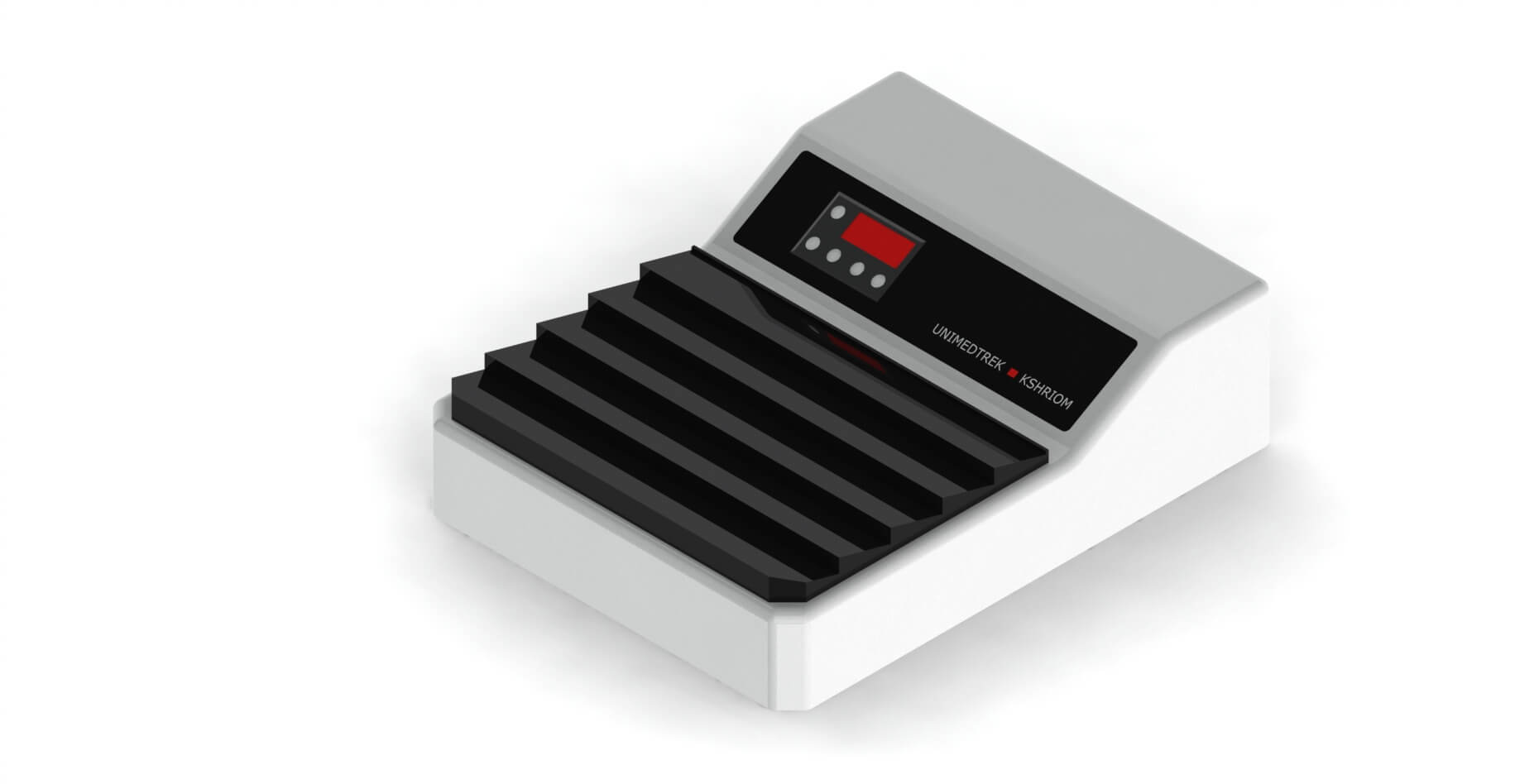 Slide Warming Table — Unimeditrek" style="max-width:100%;border-radius:10px"/>
Understanding the Importance of Grossing
Grossing is a critical step in the histopathology workflow, serving as the foundation for accurate diagnosis. It involves the careful examination and preparation of tissue specimens, ensuring that they are appropriately sectioned for microscopic analysis. The grossing process requires meticulous attention to detail, as any oversight can lead to misdiagnosis or inadequate representation of the tissue sample. Pathologists and lab technicians must be trained to recognize various tissue types, their characteristics, and the appropriate handling techniques to ensure optimal results.
Utilizing a slide drying table can greatly enhance the grossing process. These tables are designed to provide a controlled environment for drying and preparing slides, which is crucial for maintaining the integrity of the samples. Proper drying prevents issues such as water spots or artifacts that can compromise the quality of the slides. By incorporating a slide drying table into the workflow, labs can ensure that specimens are adequately prepared before they are processed further.
Best Practices for Cassette Labelling
Cassette labelling is a vital component of the histopathology process, as it ensures that each specimen can be accurately tracked throughout the diagnostic journey. Proper labelling helps prevent mix-ups and ensures that pathologists can easily identify and correlate specimens with patient information. Each cassette should be labelled clearly, including details such as patient ID, specimen type, and any relevant clinical information.
To maintain consistency and accuracy, it is advisable to implement a standardised labelling system across the laboratory. This can include using barcode labels or digital tracking systems that link patient data with specimen information. Such systems not only enhance accuracy but also streamline the workflow, making it easier for lab technicians to manage multiple samples efficiently. Additionally, it is essential to double-check labels before processing to catch any potential errors early in the workflow.
Integrating Technology in Grossing and Labelling
Modern histopathology labs are increasingly adopting technology to improve grossing and labelling practices. Digital imaging systems allow for high-resolution images of gross specimens, which can be stored and referenced as needed. This technology can help pathologists make more informed decisions during the grossing process, as they can easily compare images and access historical data.
Moreover, integrating laboratory information management systems (LIMS) can significantly enhance the efficiency of cassette labelling. These systems automate the labelling process, reducing the risk of human error and ensuring that all relevant information is captured accurately. By leveraging technology, labs can improve the accuracy of their grossing and labelling processes, ultimately leading to better patient outcomes.
Training and Continuous Education
Continuous education and training are essential for maintaining high standards in grossing and cassette labelling practices. Regular workshops and training sessions can help pathologists and lab technicians stay updated on best practices, new technologies, and emerging trends in histopathology. Encouraging a culture of learning within the lab not only enhances individual skills but also fosters teamwork and collaboration.
Additionally, mentorship programs can be beneficial for newer technicians entering the field. Experienced professionals can provide valuable insights and hands-on training, helping to instill best practices from the outset. By prioritising education and mentorship, labs can ensure that their staff is well-equipped to handle the complexities of grossing and labelling, ultimately improving the quality of diagnostic services.
Practical Takeaway
In summary, implementing best practices in grossing and cassette labelling is crucial for the accuracy and reliability of histopathology results. Utilizing tools such as a slide drying table, standardising labelling procedures, embracing technology, and committing to ongoing training can significantly enhance the workflow in histopathology labs. By focusing on these areas, labs can improve diagnostic accuracy and contribute to better patient care.
Further reading
For peer-reviewed depth on histopathology practice and quality, these leading journals are excellent references:
- The Journal of Pathology
- Histopathology (Wiley)
- Modern Pathology (USCAP)
- Archives of Pathology & Laboratory Medicine (CAP)
- American Journal of Clinical Pathology
- Journal of Clinical Pathology (BMJ)
Slide Warming Table — engineered and serviced in India
Unimeditrek manufactures the Slide Warming Table with pan-India installation and service. Explore the full specifications, request a demo, or register to download the brochure — direct from the manufacturer.
View Slide Warming Table & request a quote →FAQs
What is the role of grossing in histopathology?
Grossing is the process of examining and preparing tissue specimens for microscopic analysis, ensuring accurate diagnosis.
How can a slide drying table improve lab efficiency?
A slide drying table provides a controlled environment for drying slides, enhancing sample integrity and reducing artifacts.
Why is proper cassette labelling important?
Proper cassette labelling prevents mix-ups and ensures accurate tracking of specimens throughout the diagnostic process.
Prepared and reviewed by the Unimeditrek technical team based on laboratory practice, installation and service experience. This document explains histopathology workflow, laboratory practice and equipment based on the questions we hear from hospitals, medical colleges and diagnostic laboratories — vendor-neutral where it explains the science and practical where it explains equipment.
Prepared by Unimeditrek Pvt. Ltd.. For product specifications and quotations, contact our team.