Home › Knowledge › Avoiding Under-Processed and Brittle Tissue in Histopathology
Knowledge articleAvoiding Under-Processed and Brittle Tissue in Histopathology
Essential tips for optimal tissue processing
 Automatic Tissue Processor — Unimeditrek" style="max-width:100%;border-radius:10px"/>
Understanding Tissue Processing
Tissue processing is a critical step in histopathology, as it transforms biological specimens into a form suitable for microscopic examination. This involves a series of steps, including fixation, dehydration, clearing, and infiltration, which collectively prepare the tissue for embedding in paraffin or other media. The goal is to preserve cellular architecture and molecular integrity, allowing pathologists to make accurate diagnoses based on the morphology observed under a microscope.
Under-processing can lead to various issues, including brittleness in tissue samples, which can compromise the quality of histological sections. When tissues are not adequately processed, they may not retain their natural structure, leading to artifacts that can mislead diagnosis. Therefore, understanding the nuances of tissue processing, particularly in the context of using a vacuum tissue processor, is essential for achieving high-quality results.
The Role of Vacuum in Tissue Processing
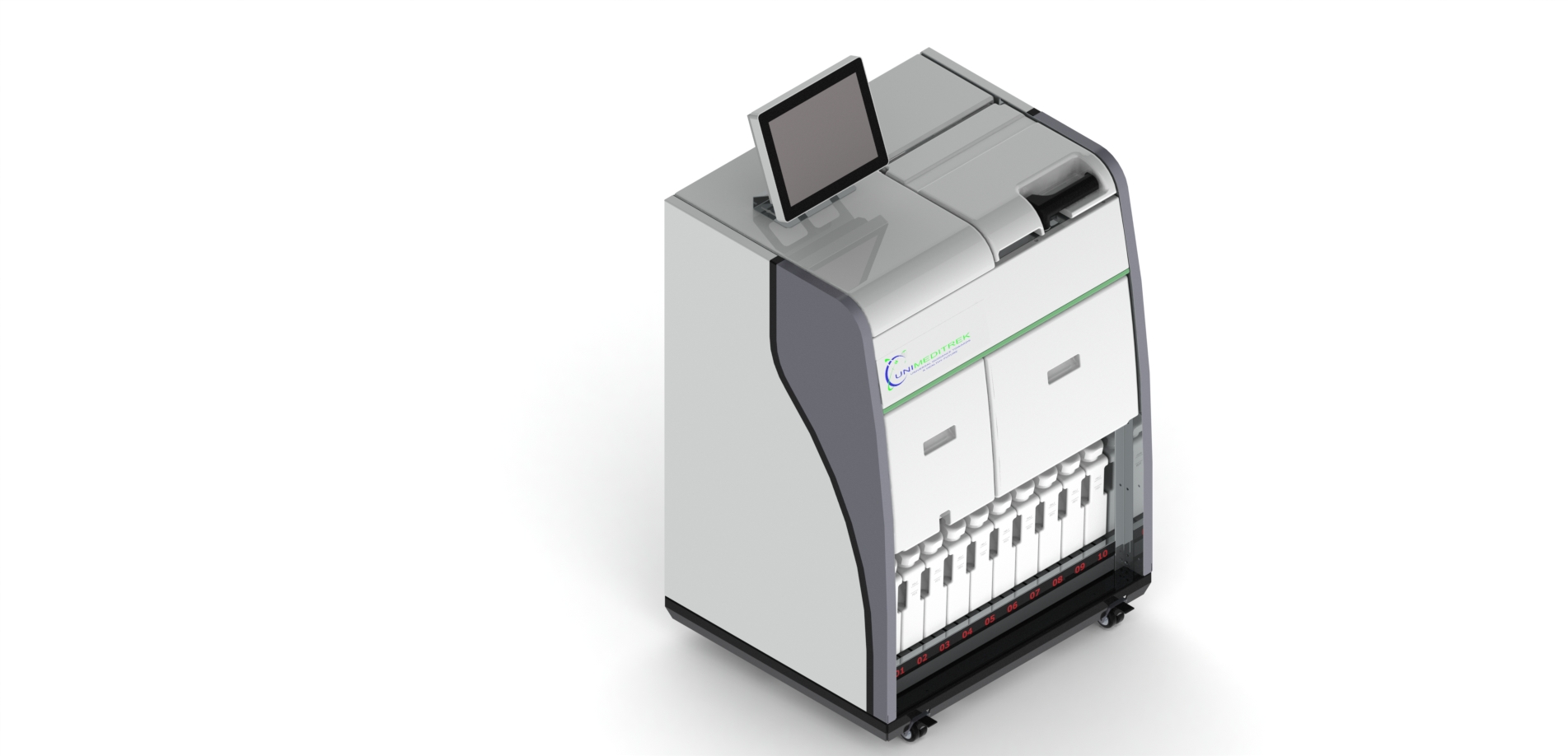
A vacuum tissue processor enhances the tissue processing workflow by removing air from the tissue samples, allowing for better penetration of processing solutions. This vacuum environment facilitates the exchange of fluids, ensuring that tissues are thoroughly infiltrated with embedding media. This is crucial for avoiding under-processed tissues, which can appear fragile or crumbly when cut into sections.
The application of vacuum during the infiltration phase helps to eliminate air pockets within the tissue, which can cause uneven processing. By ensuring that the tissue is uniformly saturated with paraffin or resin, the vacuum tissue processor minimizes the risk of brittle tissue that can break apart during sectioning. This leads to more consistent and reliable histological preparations, which are vital for accurate diagnosis.
Common Causes of Under-Processing
Several factors can contribute to under-processing of tissue samples. One common issue is inadequate fixation time, which can prevent proper cross-linking of proteins and nucleic acids. If the fixation is insufficient, subsequent steps such as dehydration and clearing may not effectively remove water from the tissue, leading to poor infiltration and ultimately brittle sections.
Another factor is the temperature and timing of the processing cycles. Each step in the processing protocol has specific requirements regarding the duration and temperature at which the solutions should be maintained. Deviations from these parameters can result in incomplete processing. Therefore, it's crucial for lab technicians to adhere strictly to established protocols and utilize automated systems like vacuum tissue processors that can provide consistent conditions throughout the processing stages.
Best Practices for Optimal Tissue Processing
To avoid under-processed and brittle tissue, implement best practices in your histopathology lab. Start by ensuring that fixation is performed promptly and adequately. Using a fixative that is appropriate for the type of tissue being processed will improve the quality of the final preparation. Additionally, consider the use of a vacuum tissue processor, which can significantly enhance the infiltration process and reduce the risk of air entrapment.
Regular maintenance of the tissue processor is also essential. Ensure that all solutions are fresh and that the processor itself is functioning correctly. Periodic calibration and checks can help maintain the integrity of the processing cycles. Furthermore, training lab personnel on the importance of each step in the processing protocol can foster a culture of quality and attention to detail, ultimately leading to better histological specimens.
Practical Takeaway
In conclusion, avoiding under-processed and brittle tissue is critical for successful histopathological diagnosis. By understanding the role of vacuum in tissue processing, recognizing common pitfalls, and adhering to best practices, histopathology labs can ensure high-quality tissue samples. Utilizing a vacuum tissue processor can further enhance the processing workflow, leading to improved outcomes in diagnostic accuracy.
FAQs
What are the signs of under-processed tissue?
Signs of under-processed tissue include brittleness, poor sectioning quality, and the presence of artifacts that can obscure cellular details.
How does a vacuum tissue processor improve tissue quality?
A vacuum tissue processor improves tissue quality by ensuring thorough infiltration of embedding media, reducing air pockets, and enhancing fluid exchange during processing.
What steps can I take to ensure proper tissue fixation?
To ensure proper tissue fixation, use an appropriate fixative, adhere to recommended fixation times, and process tissues as soon as possible after collection.
Prepared and reviewed by the Unimeditrek technical team based on laboratory practice, installation and service experience. This document explains histopathology workflow, laboratory practice and equipment based on the questions we hear from hospitals, medical colleges and diagnostic laboratories — vendor-neutral where it explains the science and practical where it explains equipment.
Prepared by Unimeditrek Pvt. Ltd.. For product specifications and quotations, contact our team.