Home › Knowledge › Automatic Tissue Processor in Daily Histopathology
Use caseAutomatic Tissue Processor in Daily Histopathology
Streamlining Tissue Preparation
Introduction to Automatic Tissue Processors
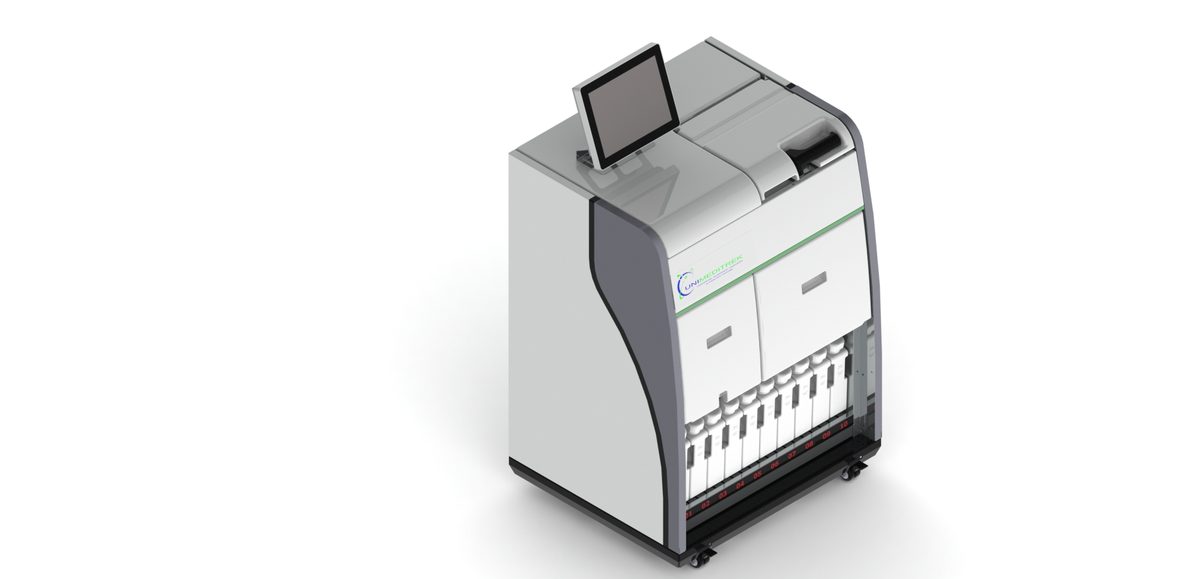
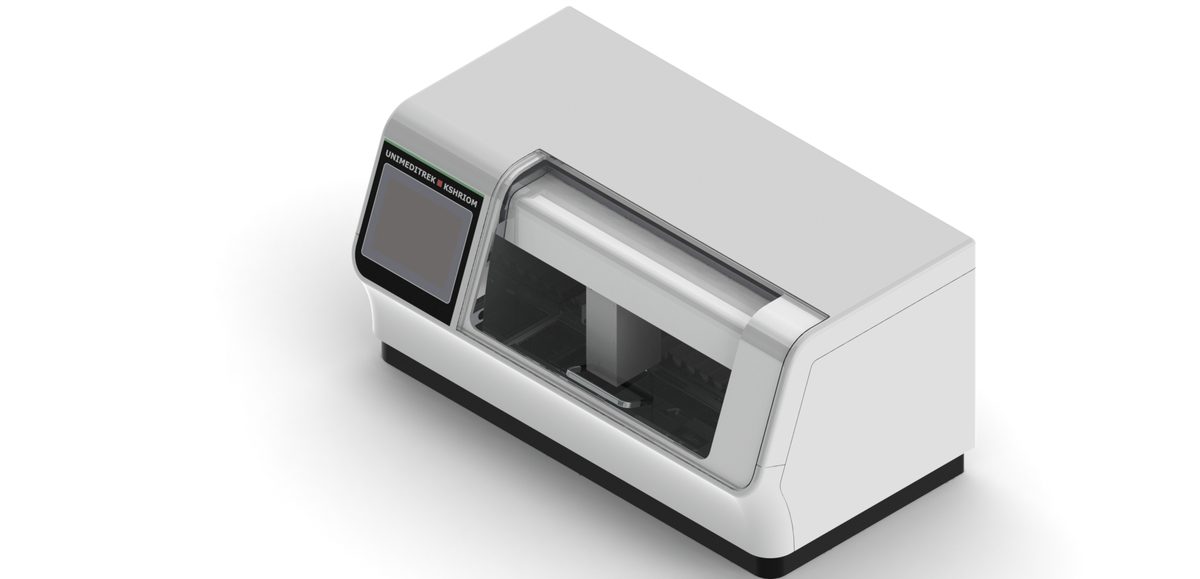
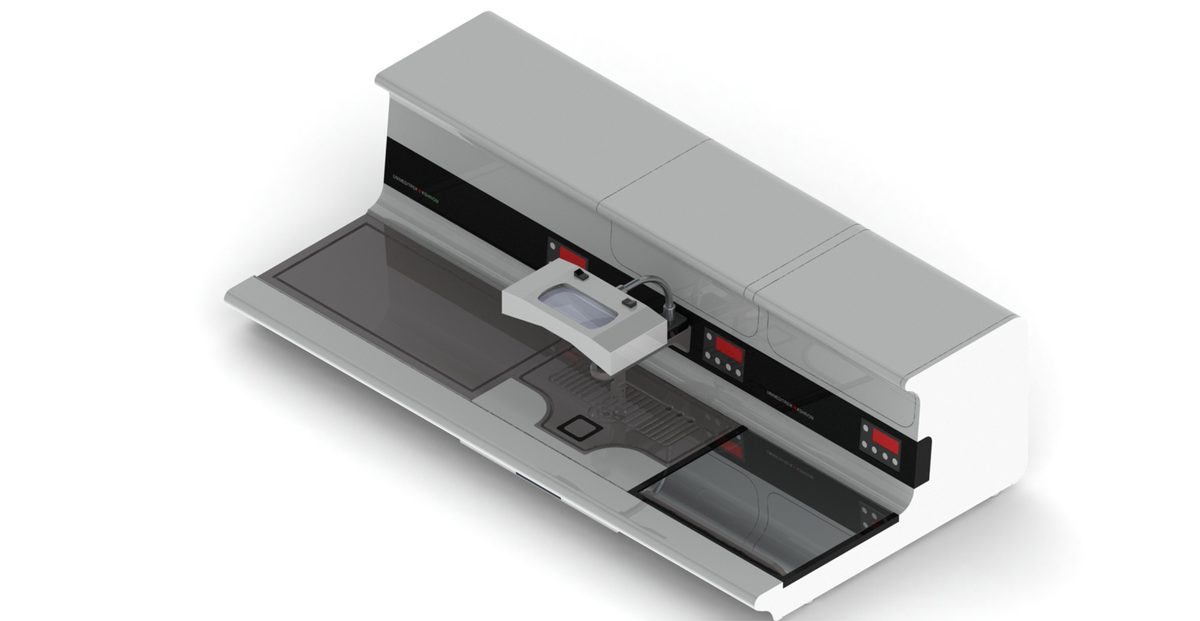
The Automatic Tissue Processor is a vital piece of equipment in histopathology labs, designed to automate the complex process of tissue preparation. This device plays a crucial role in ensuring that samples are adequately processed for microscopic examination, which is essential for accurate diagnosis and treatment planning.
Daily Workflow in a Histopathology Lab
In a typical histopathology lab, the day begins with the collection of tissue samples from surgeries, biopsies, or autopsies. Once these samples are received, the histotechnologists prepare them for further analysis. The Automatic Tissue Processor streamlines this workflow by automating the fixation, dehydration, clearing, and infiltration processes.
Fixation and Dehydration
The first step in tissue processing is fixation, where samples are preserved to prevent degradation. The Automatic Tissue Processor uses formalin or other fixatives to ensure that cellular structures remain intact. After fixation, the next step is dehydration, where the processor uses a series of alcohol solutions to remove water from the samples, preparing them for embedding.
Clearing and Infiltration
Following dehydration, the tissue samples must be cleared of alcohol to allow for infiltration with embedding medium, typically paraffin wax. The Automatic Tissue Processor efficiently manages this transition, using xylene or other clearing agents. Once cleared, the samples are infiltrated with paraffin, ensuring that they are adequately embedded for sectioning.
Benefits of Using an Automatic Tissue Processor
Implementing an Automatic Tissue Processor offers numerous benefits to histopathology labs:
- Increased Efficiency: Automation reduces manual handling, allowing for a higher throughput of samples.
- Consistency: Standardized processing conditions lead to consistent quality in tissue samples, which is crucial for accurate diagnoses.
- Time-Saving: The reduction in manual steps frees up histotechnologists to focus on other critical tasks, enhancing overall productivity.
Practical Takeaway
The Automatic Tissue Processor is an indispensable tool in modern histopathology labs, enhancing efficiency and consistency in tissue preparation. By automating the intricate processes of fixation, dehydration, clearing, and infiltration, it allows pathologists and technicians to deliver timely and accurate diagnoses, ultimately improving patient care.
FAQs
What types of tissue can be processed using an Automatic Tissue Processor?
The Automatic Tissue Processor can handle a wide range of tissue types, including biopsies, surgical specimens, and autopsy samples, making it versatile for various histopathological needs.
How does an Automatic Tissue Processor improve diagnostic accuracy?
By ensuring standardized processing conditions and reducing human error, the Automatic Tissue Processor enhances the quality and consistency of tissue samples, leading to more accurate diagnoses.
Prepared and reviewed by the Unimeditrek technical team based on laboratory practice, installation and service experience. This document explains histopathology workflow, laboratory practice and equipment based on the questions we hear from hospitals, medical colleges and diagnostic laboratories — vendor-neutral where it explains the science and practical where it explains equipment.
Prepared by Unimeditrek Pvt. Ltd.. For product specifications and quotations, contact our team.