Home › Knowledge › Automatic Tissue Processor Enhances Lab Efficiency
Case studyAutomatic Tissue Processor Enhances Lab Efficiency
A case study on a medical college's adoption
Introduction
In the rapidly evolving field of histopathology, efficiency and precision are paramount. A prominent medical college in southern India, renowned for its research and clinical excellence, faced challenges in its tissue processing workflow. The manual processing methods were time-consuming and prone to human error, leading to delays in diagnosis and patient care.
Identifying the Need
The pathology department, which handles thousands of samples annually, recognized the need for modernization. Faculty and staff reported long turnaround times for tissue processing, which affected the overall workflow and patient outcomes. The team began exploring automated solutions that could streamline their processes and improve accuracy.
Adopting the Automatic Tissue Processor
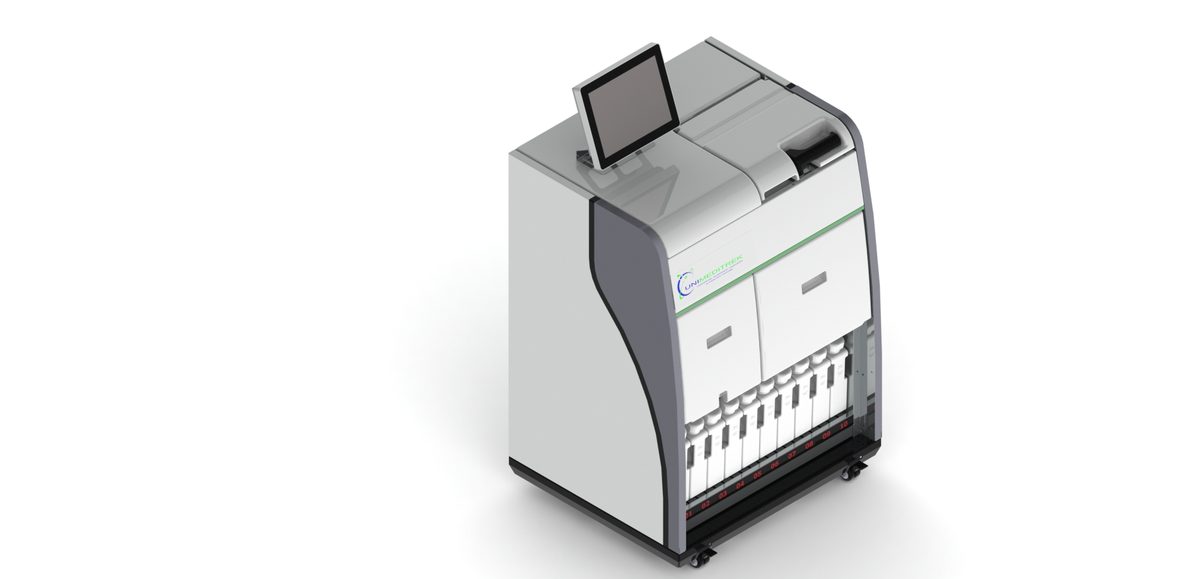
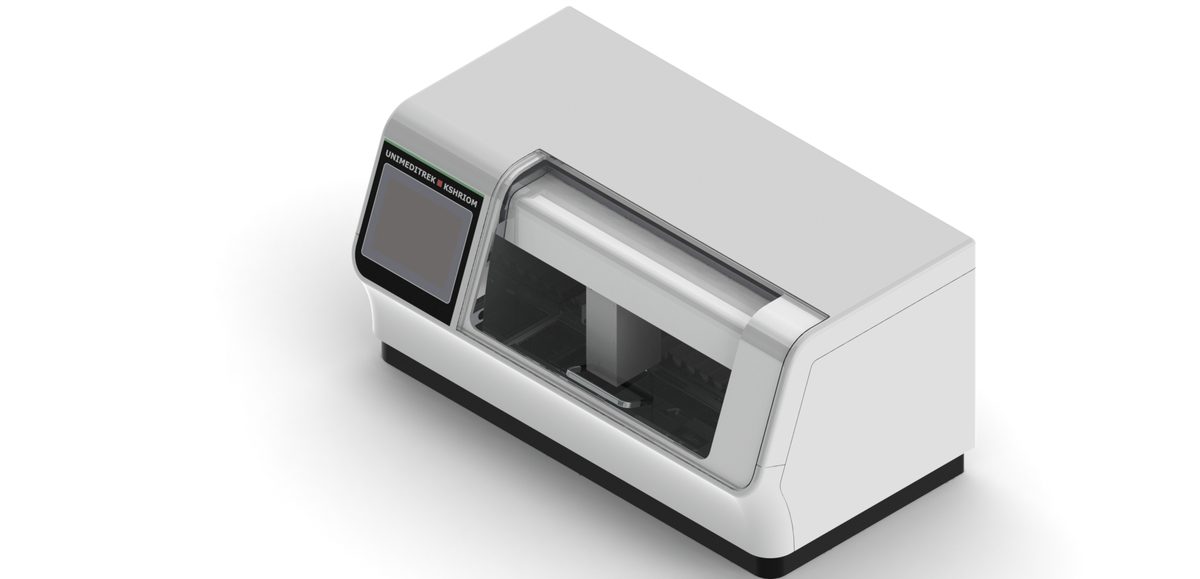
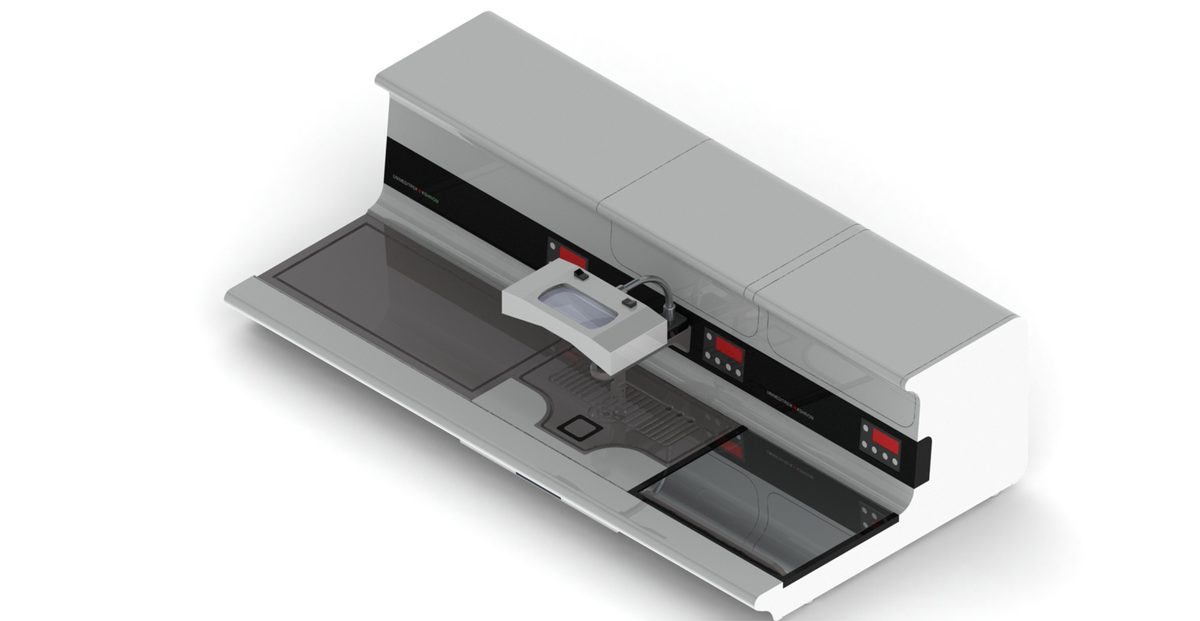
After thorough research and evaluation, the medical college decided to invest in an Automatic Tissue Processor. The decision was influenced by the equipment's ability to automate the infiltration and embedding processes, significantly reducing manual handling and the associated risks of errors.
Training sessions were organized for the staff to familiarize them with the new equipment. The Automatic Tissue Processor was integrated into the existing laboratory setup, and the transition was carefully monitored to ensure minimal disruption to ongoing operations.
Outcomes and Benefits
Within weeks of implementation, the pathology department began to see remarkable improvements. The Automatic Tissue Processor allowed for consistent and reproducible results, with a significant reduction in processing times. The turnaround time for histopathological reports decreased, enabling quicker diagnoses for patients.
Moreover, the staff reported a decrease in the physical strain associated with manual processing, leading to higher job satisfaction and productivity. The equipment also minimized the risk of contamination and preserved tissue integrity, enhancing the quality of diagnostic outcomes.
Conclusion
The adoption of the Automatic Tissue Processor transformed the histopathology workflow at the medical college. The integration of this advanced technology not only improved efficiency but also reinforced the institution's commitment to providing high-quality patient care. The success of this implementation serves as a model for other laboratories seeking to enhance their histopathological services.
Practical Takeaway
Investing in an Automatic Tissue Processor can significantly streamline histopathology workflows, reduce errors, and improve patient outcomes. Medical facilities should consider such technologies to stay competitive and enhance diagnostic efficiency.
FAQs
What is an Automatic Tissue Processor?
An Automatic Tissue Processor is a device that automates the tissue processing steps in histopathology, including dehydration, clearing, and infiltration, ensuring consistent and efficient results.
How does it improve lab efficiency?
By automating time-consuming manual processes, the Automatic Tissue Processor reduces turnaround times, minimizes human error, and allows staff to focus on more complex tasks.
Prepared and reviewed by the Unimeditrek technical team based on laboratory practice, installation and service experience. This document explains histopathology workflow, laboratory practice and equipment based on the questions we hear from hospitals, medical colleges and diagnostic laboratories — vendor-neutral where it explains the science and practical where it explains equipment.
Prepared by Unimeditrek Pvt. Ltd.. For product specifications and quotations, contact our team.