Home › Knowledge › Automatic Tissue Processor Adoption in Indian Lab
Case studyAutomatic Tissue Processor Adoption in Indian Lab
A transformative upgrade for histopathology
Introduction to the Case Study
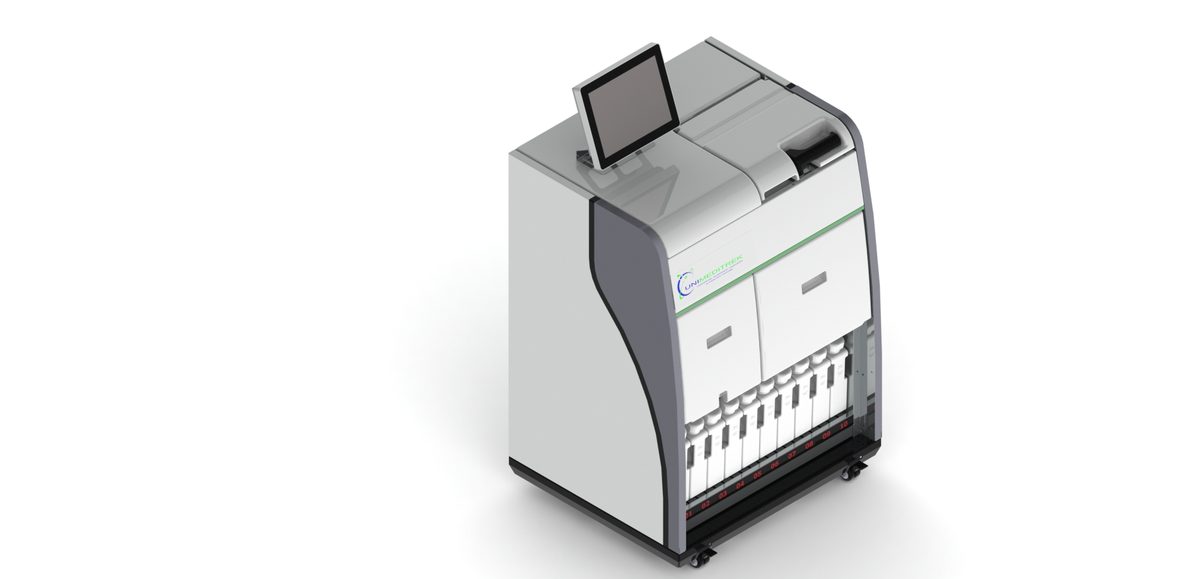
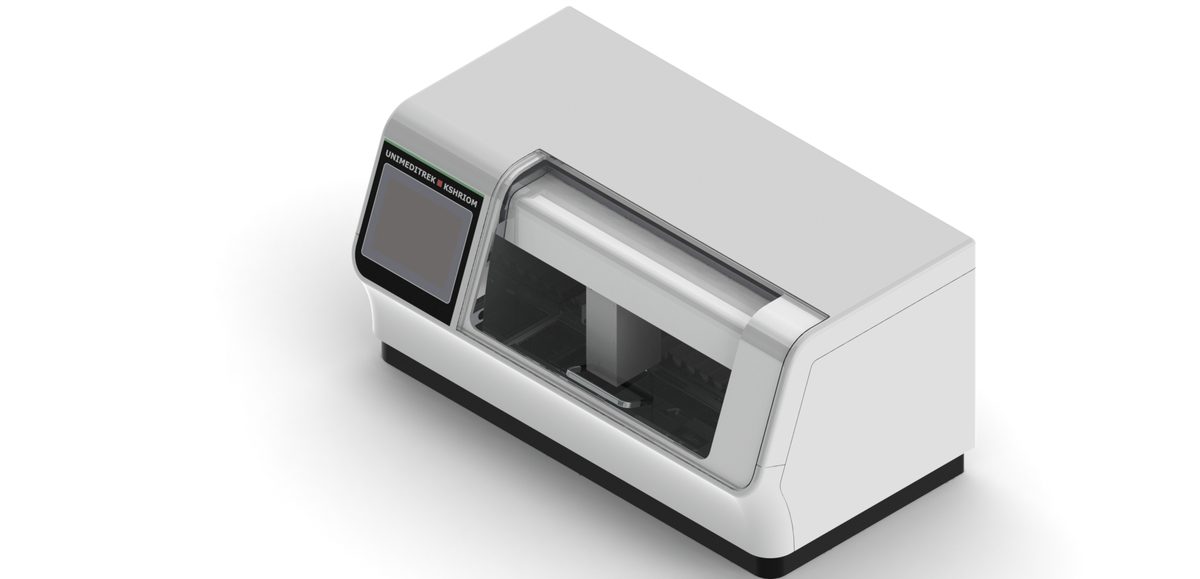
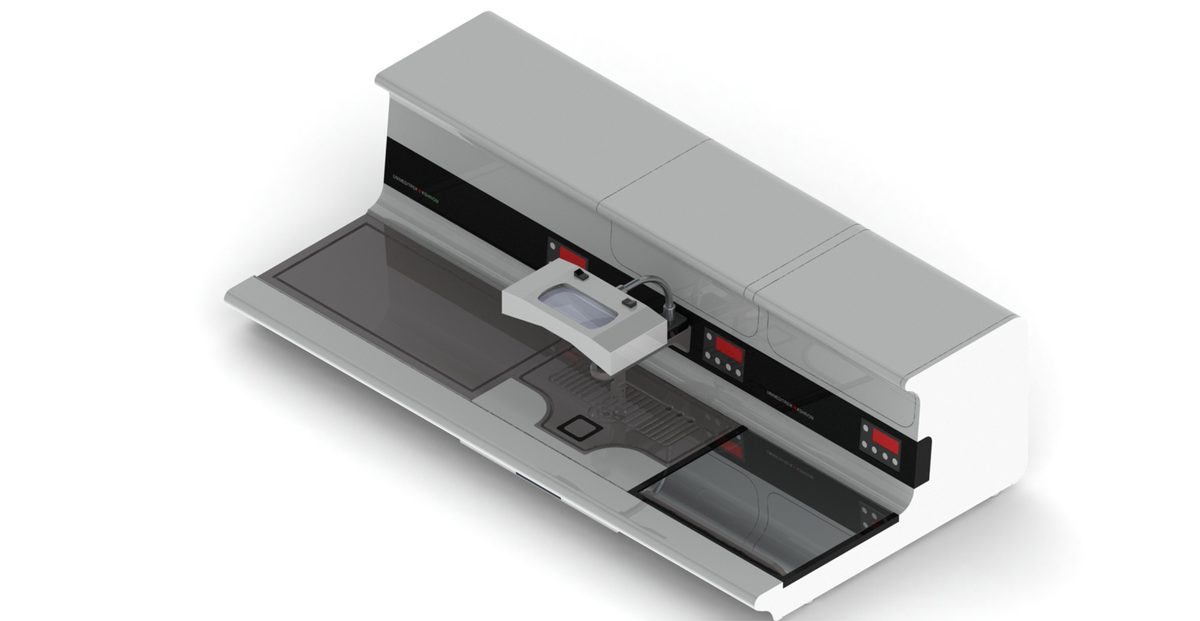
This case study examines the experience of a prominent medical college in Maharashtra, India, which recently adopted an Automatic Tissue Processor (ATP) to enhance its histopathology department. The college, known for its commitment to medical education and research, faced challenges in processing tissue samples efficiently due to increasing patient loads and the complexity of histopathological techniques.
Challenges Faced
Prior to the adoption of the ATP, the histopathology department relied on manual processing methods. This approach not only consumed significant time but also led to inconsistencies in tissue preparation, affecting the quality of diagnostic outcomes. With a growing number of biopsy samples, the lab staff struggled to maintain accuracy and speed, leading to delays in report generation and, consequently, patient care.
Implementation of the Automatic Tissue Processor
Recognizing the need for modernization, the college administration decided to invest in an Automatic Tissue Processor. The decision was driven by the desire to improve efficiency, enhance the quality of tissue samples, and ultimately provide better patient care. The ATP was integrated into the existing laboratory infrastructure, with training sessions organized for the lab technicians and pathologists to ensure a smooth transition.
Outcomes and Improvements
Following the implementation of the ATP, the histopathology department observed remarkable improvements. The processing time for tissue samples reduced significantly, allowing the lab to handle a higher volume of specimens without sacrificing quality. The automation of the dehydration, clearing, and infiltration processes minimized human error and ensured consistent results across samples.
Furthermore, the ATP's user-friendly interface enabled lab personnel to monitor and control the processing cycles effectively. As a result, the turnaround time for biopsy reports decreased, leading to quicker diagnoses and treatment plans for patients. The overall satisfaction of both the medical staff and patients improved, highlighting the positive impact of the ATP on clinical outcomes.
Practical Takeaway
The case of this medical college illustrates the transformative potential of adopting advanced histopathology equipment like the Automatic Tissue Processor. By investing in automation, laboratories can enhance their efficiency, improve diagnostic accuracy, and ultimately provide better patient care. For Indian labs looking to modernize their histopathology processes, the ATP represents a valuable solution that addresses common challenges in tissue processing.
FAQs
What is an Automatic Tissue Processor?
An Automatic Tissue Processor is a device used in histopathology to automate the processes of tissue dehydration, clearing, and infiltration, improving the efficiency and quality of tissue sample preparation.
How does the ATP improve histopathology workflows?
The ATP enhances histopathology workflows by reducing processing time, minimizing human error, and ensuring consistent results, which leads to quicker diagnoses and improved patient care.
Prepared and reviewed by the Unimeditrek technical team based on laboratory practice, installation and service experience. This document explains histopathology workflow, laboratory practice and equipment based on the questions we hear from hospitals, medical colleges and diagnostic laboratories — vendor-neutral where it explains the science and practical where it explains equipment.
Prepared by Unimeditrek Pvt. Ltd.. For product specifications and quotations, contact our team.