Home › Knowledge › Automatic Staining Upgrades Reduce Repeats in Diagnostic Labs
Case studyAutomatic Staining Upgrades Reduce Repeats in Diagnostic Labs
A Case Study on Efficiency in Histopathology
Introduction
In the competitive landscape of diagnostic laboratories, efficiency and accuracy are paramount. A mid-sized diagnostic lab in Mumbai faced challenges with manual staining processes that led to high rates of repeat tests. In search of a solution, the lab decided to upgrade its equipment to automatic staining systems, which promised to streamline operations and improve overall quality.
Identifying the Problem
The lab had been experiencing a 15% repeat rate on stained slides, primarily due to inconsistencies in manual staining techniques. Technicians often reported variations in staining quality, leading to diagnostic errors and increased turnaround times. The management recognized that upgrading to automated systems could potentially address these issues.
Implementing Automation
After thorough research, the lab invested in several key pieces of equipment from Unimeditrek:
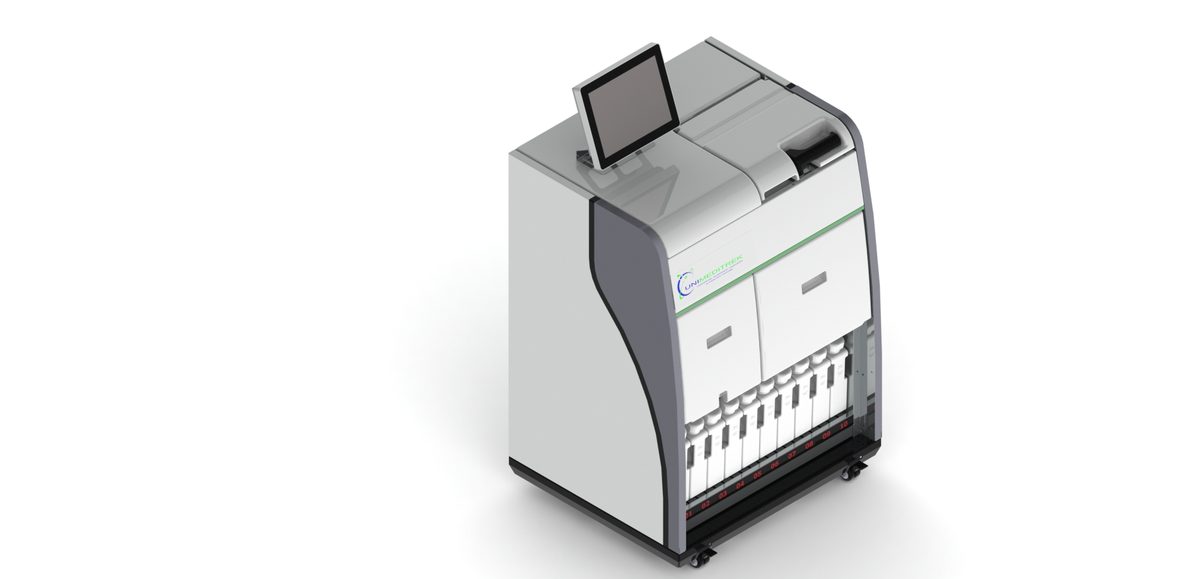
- Automatic Vacuum Tissue Processor: This device significantly reduced processing time and improved tissue infiltration.
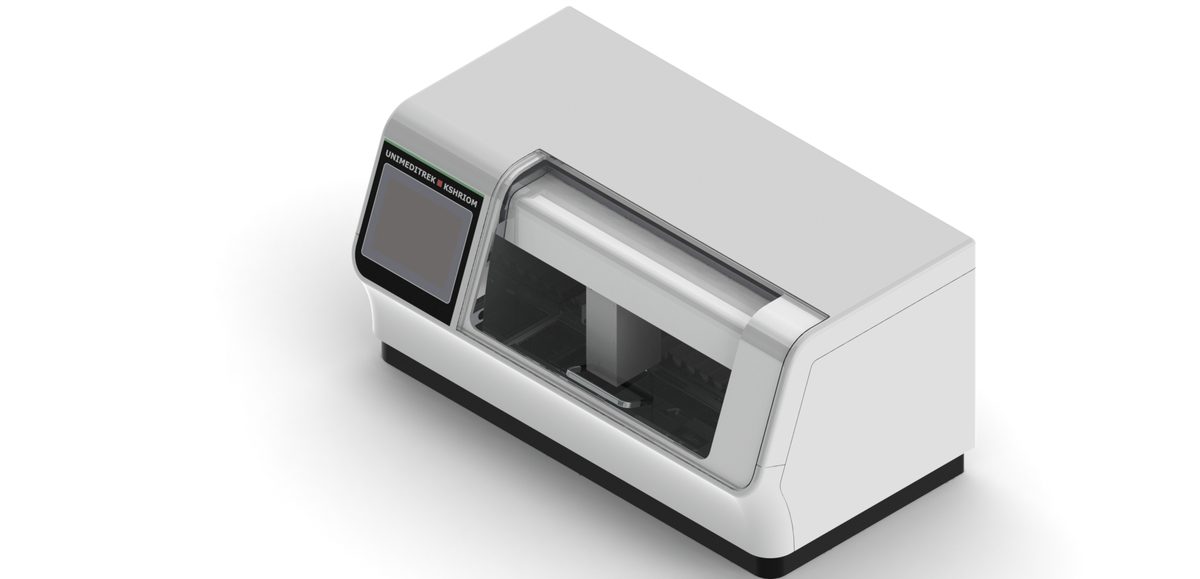
- Automatic Slide Staining Machine: This machine provided consistent staining results, eliminating the variability associated with manual methods.
- Tissue Embedding Station: It ensured optimal embedding of specimens, facilitating easier sectioning.
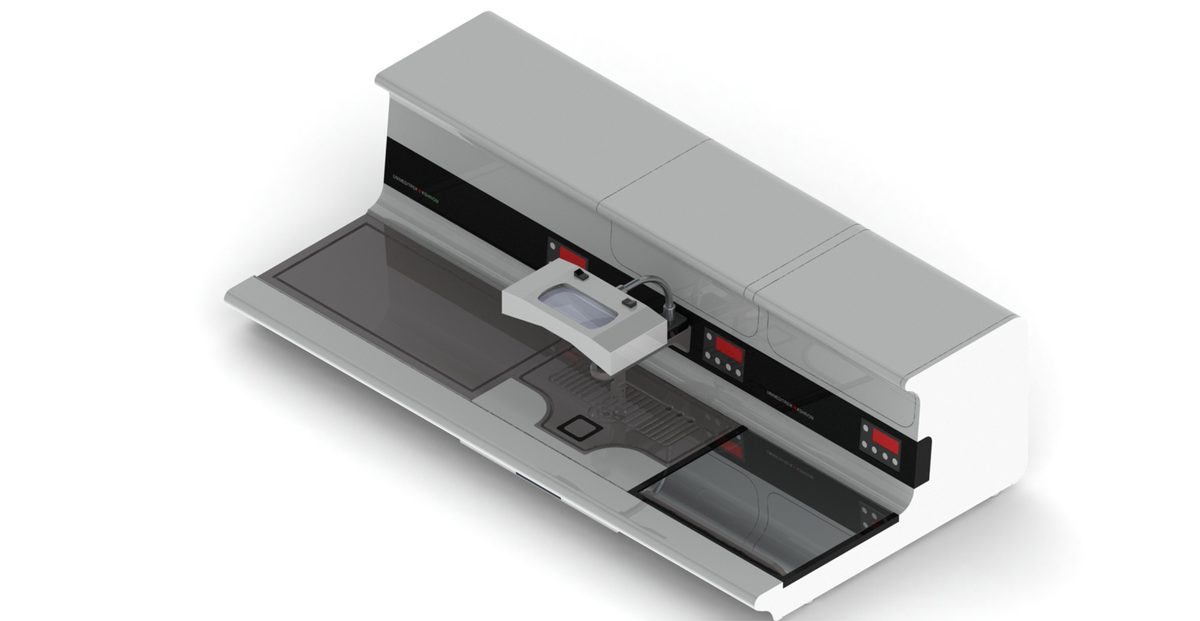
- Digital Tissue Floatation Bath: This helped in maintaining the quality of tissue sections during the floating process.
- Slide Warming Table: It ensured that slides were at the correct temperature for staining, further enhancing the quality.
- Cryostat Microtome: This allowed for precise cutting of frozen sections, essential for certain diagnostic tests.
With these upgrades in place, the lab was able to standardize its staining processes and achieve better quality control.
Results Achieved
Within three months of implementing the new equipment, the lab reported a significant reduction in repeat tests. The repeat rate dropped from 15% to just 5%, a remarkable improvement that translated into enhanced operational efficiency. The lab also noted a decrease in turnaround times for test results, allowing them to serve their clients better.
Moreover, the staff found the new equipment easier to operate, reducing the training time for new technicians. The automation not only improved the quality of the stained slides but also allowed the lab to reallocate human resources to other critical areas, such as patient interaction and report generation.
Conclusion
The transition to automatic staining and processing systems proved to be a game-changer for the diagnostic lab. By investing in advanced histopathology equipment from Unimeditrek, they not only improved their operational efficiency but also enhanced the reliability of their diagnostic results. This case study highlights the importance of embracing technology in the field of histopathology to meet increasing demands for accuracy and speed.
Practical Takeaway
For diagnostic labs looking to improve efficiency and reduce repeat tests, investing in automatic staining and processing equipment is essential. By choosing reliable equipment such as those offered by Unimeditrek, labs can enhance their diagnostic capabilities and ensure high-quality results.
FAQs
What are the benefits of automatic staining machines?
Automatic staining machines provide consistent results, reduce human error, and improve turnaround times.
How can a lab reduce repeat tests?
By upgrading to automated systems, labs can standardize processes and enhance quality control, significantly reducing repeat tests.
Prepared and reviewed by the Unimeditrek technical team based on laboratory practice, installation and service experience. This document explains histopathology workflow, laboratory practice and equipment based on the questions we hear from hospitals, medical colleges and diagnostic laboratories — vendor-neutral where it explains the science and practical where it explains equipment.
Prepared by Unimeditrek Pvt. Ltd.. For product specifications and quotations, contact our team.