Home › Knowledge › A Simple QC Check for Even Warming on Your Slide Drying Table
Knowledge articleA Simple QC Check for Even Warming on Your Slide Drying Table
Ensure optimal performance with this quality control guide
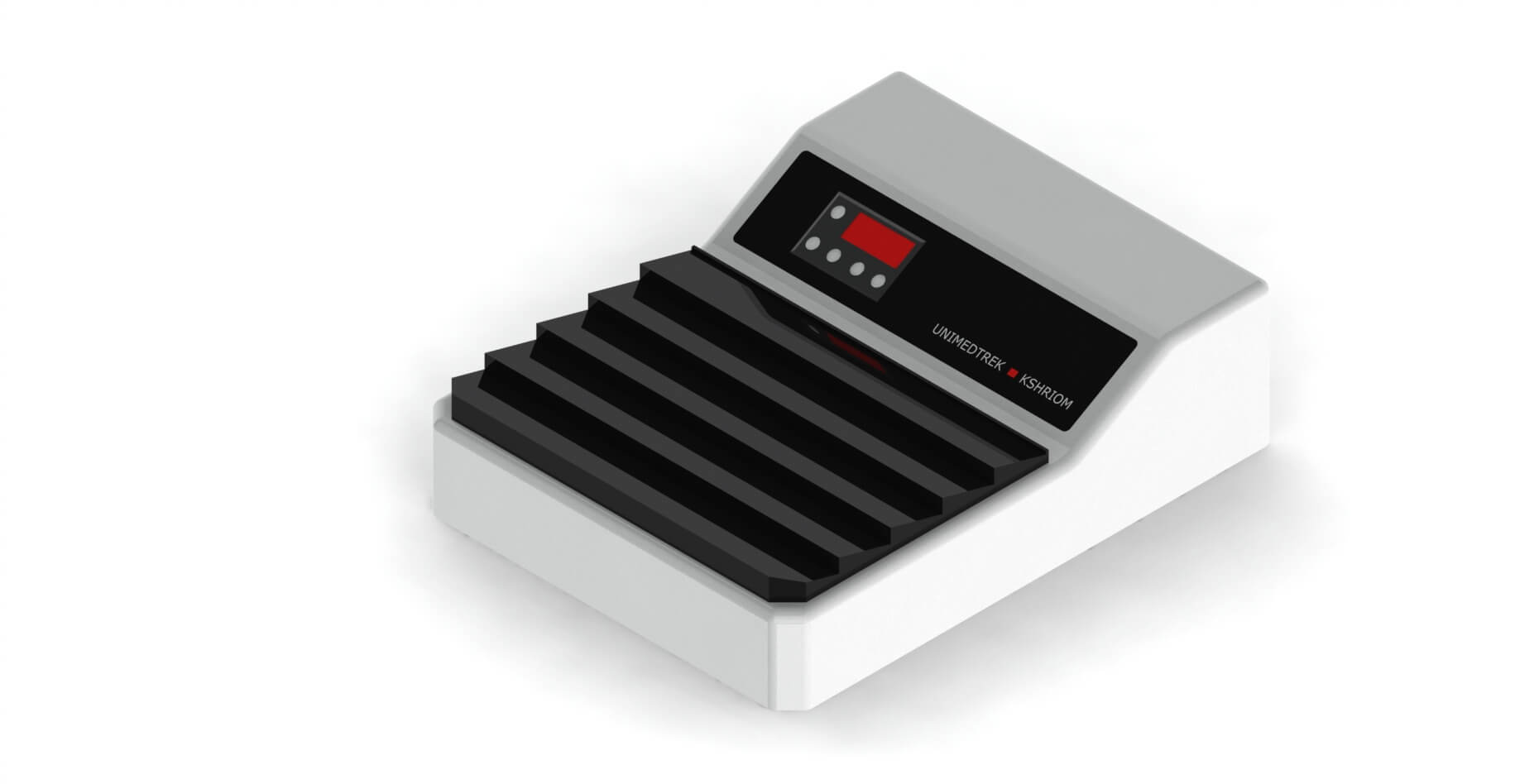 Slide Warming Table — Unimeditrek" style="max-width:100%;border-radius:10px"/>
Introduction to Slide Drying Tables
In histopathology labs, the slide drying table is an essential piece of equipment that aids in the preparation of glass slides for microscopic examination. This device ensures that slides are uniformly warmed, which is critical for processes such as staining and mounting. However, like any piece of laboratory equipment, the performance of a slide drying table can fluctuate over time due to various factors. Therefore, implementing a simple quality control (QC) check for even warming is crucial to maintain the integrity of your diagnostic processes.
Regular QC checks not only help in identifying potential issues with the equipment but also enhance the overall efficiency of lab workflows. By ensuring that the slide drying table operates at optimal levels, pathologists and lab technicians can achieve consistent results, which is vital for accurate diagnoses. This article will guide you through a straightforward QC check that can be performed in any histopathology lab.
Understanding the Importance of Even Warming
Even warming of slides is essential for several reasons. First, it ensures that the staining solutions applied to the slides work effectively. Uneven temperatures can lead to inconsistent staining, which may affect the visibility of cellular structures and potentially lead to misinterpretations. Second, uneven warming can cause artifacts that may mimic pathological changes, leading to false positives or negatives in diagnoses.
Moreover, the structural integrity of the slides can be compromised if they are subjected to extreme temperature variations. This is particularly important when dealing with delicate specimens that require careful handling. Thus, maintaining even warming on the slide drying table is not just a matter of convenience; it's a critical component of ensuring high-quality histopathological assessments.
Setting Up for Quality Control Checks
Before conducting a QC check on your slide drying table, it is essential to gather the necessary materials. You will need a thermometer or an infrared temperature gun, a set of standard glass slides, and a timer. Ensure that the slide drying table is clean and free from any debris that could interfere with the readings. It's also advisable to perform this check when the table has been operating for a sufficient time to reach its optimal temperature.
Once you have your materials ready, set the thermometer or infrared gun to the appropriate setting for measuring the surface temperature of the slide drying table. Place a few standard glass slides at various locations on the table. It’s important to check multiple points because the heating elements may not distribute heat evenly across the entire surface. This step will help you identify any hot or cold spots on the slide drying table.
Conducting the QC Check
Start the QC check by turning on the slide drying table and allowing it to warm up for a predetermined amount of time. After this period, use the thermometer or infrared gun to measure the temperature of the slides at different locations on the table. Record the temperatures, ensuring that you take multiple readings from each location to account for any variations.
Once you have collected the temperature data, analyze the readings. Ideally, the temperatures should be within a narrow range across all measured points. If you notice significant discrepancies, it may indicate that the heating elements are failing or that there is an issue with the thermostat. In such cases, further investigation or maintenance may be required to ensure the slide drying table operates effectively.
Documenting Your Findings
After completing the QC check, it is crucial to document your findings meticulously. Create a log that includes the date of the check, the temperatures recorded at each location, and any observations made during the process. This documentation will serve as a valuable reference for future checks and can help in identifying trends over time.
Additionally, maintaining a regular schedule for QC checks is recommended. Depending on the frequency of use and the specific conditions of your lab, you may choose to conduct these checks weekly, monthly, or quarterly. Consistent documentation will not only help in maintaining the performance of the slide drying table but also provide insights into its long-term reliability.
Practical Takeaway
Implementing a simple QC check for even warming on your slide drying table is a straightforward yet vital practice in any histopathology lab. By regularly monitoring the temperature distribution across the table, you can ensure that your equipment is functioning optimally, ultimately leading to improved diagnostic accuracy and efficiency. Remember that consistent documentation and analysis of your findings will help you maintain high standards in your laboratory practices.
FAQs
What should I do if I find uneven warming on my slide drying table?
If you find uneven warming, check the heating elements for any signs of malfunction and consider scheduling maintenance or repairs to ensure optimal performance.
How often should I perform QC checks on my slide drying table?
The frequency of QC checks can vary based on usage; however, conducting checks weekly or monthly is generally recommended to maintain consistent performance.
Can environmental factors affect the performance of a slide drying table?
Yes, environmental factors such as room temperature and humidity can impact the performance of a slide drying table, so it’s important to monitor these conditions as well.
Prepared and reviewed by the Unimeditrek technical team based on laboratory practice, installation and service experience. This document explains histopathology workflow, laboratory practice and equipment based on the questions we hear from hospitals, medical colleges and diagnostic laboratories — vendor-neutral where it explains the science and practical where it explains equipment.
Prepared by Unimeditrek Pvt. Ltd.. For product specifications and quotations, contact our team.