Home › Knowledge › A Comprehensive Checklist for Consistent Tissue Embedding
Knowledge articleA Comprehensive Checklist for Consistent Tissue Embedding
Ensure quality with this detailed embedding checklist
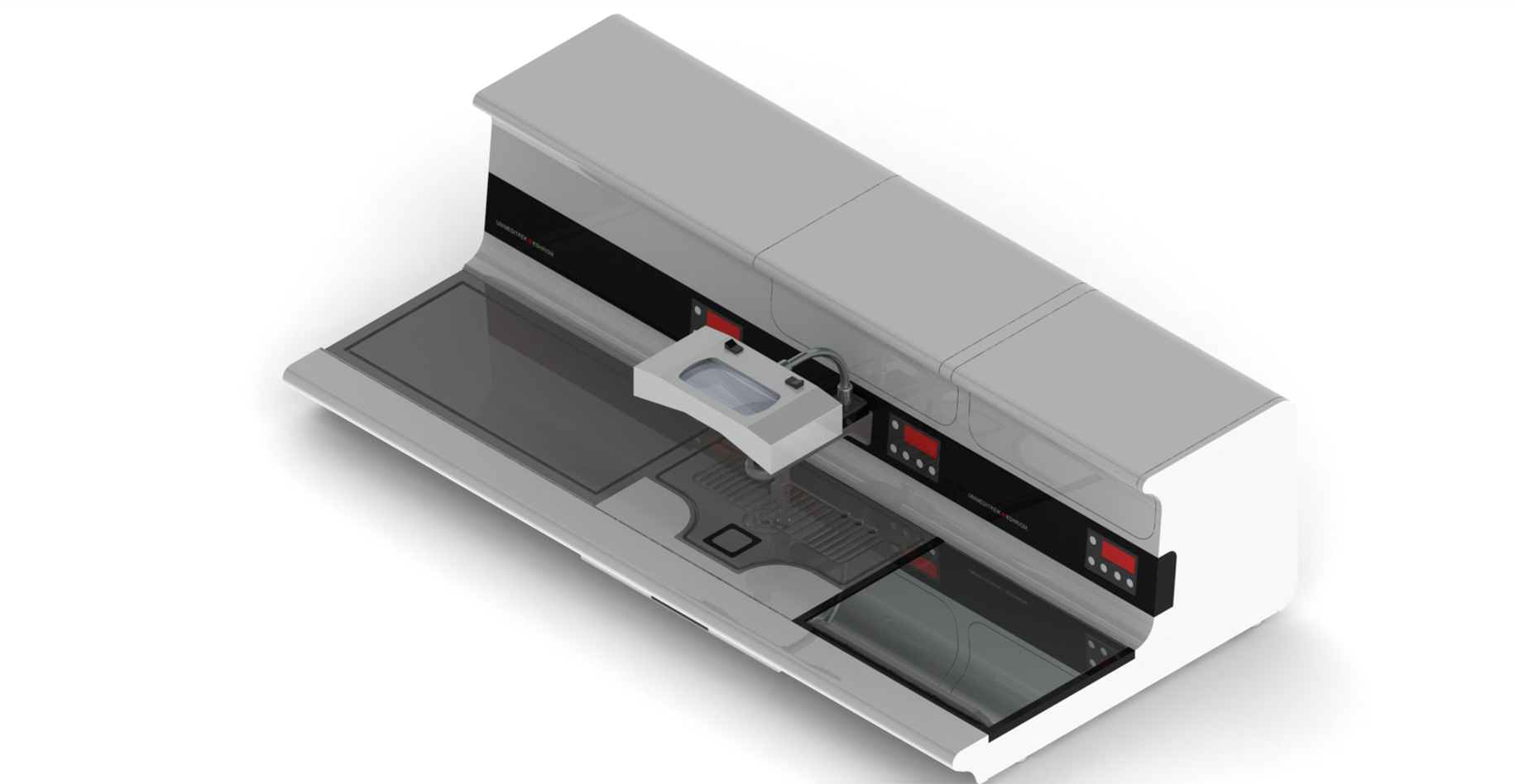 Tissue Embedding Station — Unimeditrek" style="max-width:100%;border-radius:10px"/>
Introduction to Tissue Embedding
Tissue embedding is a critical step in histopathology that ensures the preservation and orientation of tissue samples for microscopic examination. The process involves infiltrating tissue specimens with paraffin wax, allowing for the creation of blocks that can be sliced into thin sections. A well-oriented block is essential for accurate diagnosis and research, as it directly affects the quality of the histological sections produced. This article provides a detailed checklist to help pathologists and lab technicians achieve consistent results when using a paraffin embedding station.
Understanding the significance of proper embedding techniques is vital. The orientation of the tissue within the block influences not only the quality of the sections but also the interpretation of the histological features. Consequently, a systematic approach to embedding can greatly enhance the reliability of diagnostic outcomes. By following a structured checklist, technicians can ensure that every step of the embedding process is executed with precision.
Preparation of Tissue Samples
The first step in achieving well-oriented blocks is the meticulous preparation of tissue samples. Prior to embedding, it is crucial to ensure that the samples are adequately fixed and dehydrated. Inadequate fixation can lead to poor preservation of cellular details, while improper dehydration can result in incomplete infiltration of paraffin wax. Therefore, following standardized protocols for fixation and dehydration is essential.
Once the samples are fixed and dehydrated, they should be carefully trimmed to an appropriate size. Overly large samples can complicate the embedding process, while excessively small samples may not provide sufficient tissue for analysis. Trimming should be done with precision, ensuring that the tissue is oriented correctly within the embedding mold. This step sets the foundation for successful embedding and ultimately influences the quality of the resulting histological sections.
Embedding Process and Orientation Techniques
The embedding process itself requires attention to detail and a systematic approach. When using a paraffin embedding station, it is essential to ensure that the embedding molds are clean and free from any residual paraffin from previous uses. This prevents contamination and ensures that each block is uniform in composition.
During the embedding process, the orientation of the tissue within the mold is paramount. It is advisable to use orientation markers, such as a small piece of gauze or a specific orientation tool, to maintain the desired position of the tissue. Additionally, technicians should take care to fill the mold with molten paraffin wax slowly and steadily, avoiding the introduction of air bubbles that can compromise the integrity of the block. Proper cooling of the blocks is also necessary to ensure that the paraffin solidifies uniformly, further enhancing the quality of the sections.
Quality Control and Assessment
After the embedding process, quality control measures should be implemented to assess the orientation and consistency of the blocks. Visual inspection of the blocks can reveal issues such as incomplete infiltration, air bubbles, or misorientation. Technicians should also consider sectioning a few blocks to evaluate the quality of the histological sections produced. This step is crucial, as it allows for early detection of any issues that may affect diagnostic accuracy.
In addition to visual inspection, it may be beneficial to establish a feedback loop within the laboratory. Encouraging technicians to share their experiences and challenges can lead to collective improvements in the embedding process. Regular training sessions focused on embedding techniques can also help maintain high standards and ensure that all staff members are equipped with the necessary skills to produce consistent, well-oriented blocks.
Documentation and Continuous Improvement
Finally, maintaining thorough documentation of the embedding process is essential for continuous improvement. Keeping detailed records of each embedding session, including any challenges encountered and solutions implemented, can provide valuable insights for future practices. This documentation can also serve as a training resource for new technicians, ensuring that best practices are passed down and upheld within the laboratory.
Furthermore, engaging in regular reviews of the embedding protocols can help identify areas for improvement. As technology and techniques evolve, staying updated with the latest advancements in histopathology can enhance the overall quality of the embedding process. By fostering a culture of continuous improvement, laboratories can ensure that they consistently produce high-quality tissue blocks for accurate diagnosis and research.
Practical Takeaway
In conclusion, achieving consistent and well-oriented blocks in tissue embedding requires a systematic approach, attention to detail, and a commitment to quality control. By following a structured checklist that includes proper sample preparation, meticulous embedding techniques, and ongoing assessment, histopathology labs can enhance the reliability of their diagnostic outcomes. Remember, the quality of your blocks directly influences the quality of your histological sections, making it imperative to prioritize each step of the embedding process.
FAQs
What is the importance of tissue orientation during embedding?
Tissue orientation is crucial as it affects the quality of the histological sections, influencing the accuracy of diagnosis and research.
How can I ensure complete infiltration of paraffin wax?
Ensure that samples are adequately dehydrated and that paraffin is filled slowly to avoid air bubbles, which can hinder infiltration.
What are common issues encountered during the embedding process?
Common issues include incomplete infiltration, misorientation of tissue, and the presence of air bubbles, all of which can affect the quality of sections.
Prepared and reviewed by the Unimeditrek technical team based on laboratory practice, installation and service experience. This document explains histopathology workflow, laboratory practice and equipment based on the questions we hear from hospitals, medical colleges and diagnostic laboratories — vendor-neutral where it explains the science and practical where it explains equipment.
Prepared by Unimeditrek Pvt. Ltd.. For product specifications and quotations, contact our team.