Planning and Setting Up a New Histopathology Laboratory
A workflow-first framework for equipping a histopathology laboratory — from case-load planning and layout to utilities, equipment selection, commissioning and support.
Abstract
Setting up a histopathology laboratory is more than buying a list of instruments. It is the task of matching equipment, layout, utilities, safety and staffing to an expected and growing case load, so that the lab is efficient, safe and accreditable from day one. This paper provides a step-by-step, workflow-first framework — from estimating load and designing flow, through equipment selection and utilities, to commissioning, documentation and ongoing support.
Start from the workflow, not the equipment list
Laboratories that buy equipment piecemeal often end up with mismatched throughput, awkward layouts and safety gaps that are expensive to retrofit. The reliable approach is to design the workflow first — receiving and accessioning, grossing, processing, embedding, microtomy, floatation and drying, staining, coverslipping and reporting — and then select equipment and layout to serve that flow.
Estimate case load — and plan for growth
Estimate the expected daily and peak case load, the case mix (small biopsies vs large resections), and a realistic growth horizon of three to five years. This drives processor capacity, the number of microtome stations, staining throughput and bench space. Designing only for today's load is one of the most common and costly planning errors.
Design the physical flow and the layout
Lay out benches so specimens move one way, from receiving to reporting, without backtracking or cross-contamination. Position grossing with proper fume extraction near receiving; keep processing and embedding adjacent; group microtomy with floatation, drying and staining. Plan storage for blocks and slides, and a clean reporting area separated from wet work.
Utilities, ventilation and safety
- Ventilation and fume extraction for formalin and clearing agents — designed in, not added later.
- Power with appropriate stabilisation/backup for processors and refrigerated equipment.
- Water and drainage for grossing, floatation and staining.
- Storage and waste handling for reagents and biological waste, compliant with local rules.
Match equipment to load and case mix
Choose processor capacity and schedule flexibility to your case mix; a separate rapid route for small biopsies pays back quickly. Select microtome type and number of stations to peak microtomy demand, and staining throughput to daily slide volume. Build consumables supply and a preventive-maintenance plan into the project from the outset, not as an afterthought. The Build Your Lab planner helps size this configuration to your numbers.
Commissioning, documentation and staffing
Plan installation (IQ), operational and performance checks (OQ/PQ), operator training and SOPs as part of go-live — these are also what accreditation and tenders require. Ensure staff are trained on standard technique and that documentation does not depend on one person's knowledge.
How Unimeditrek helps
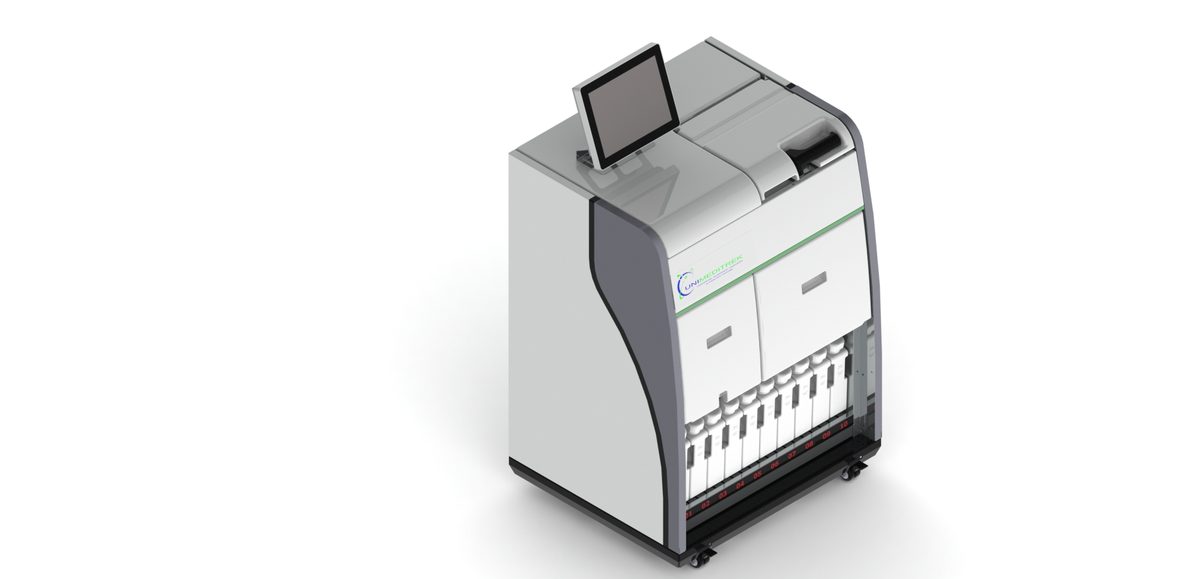
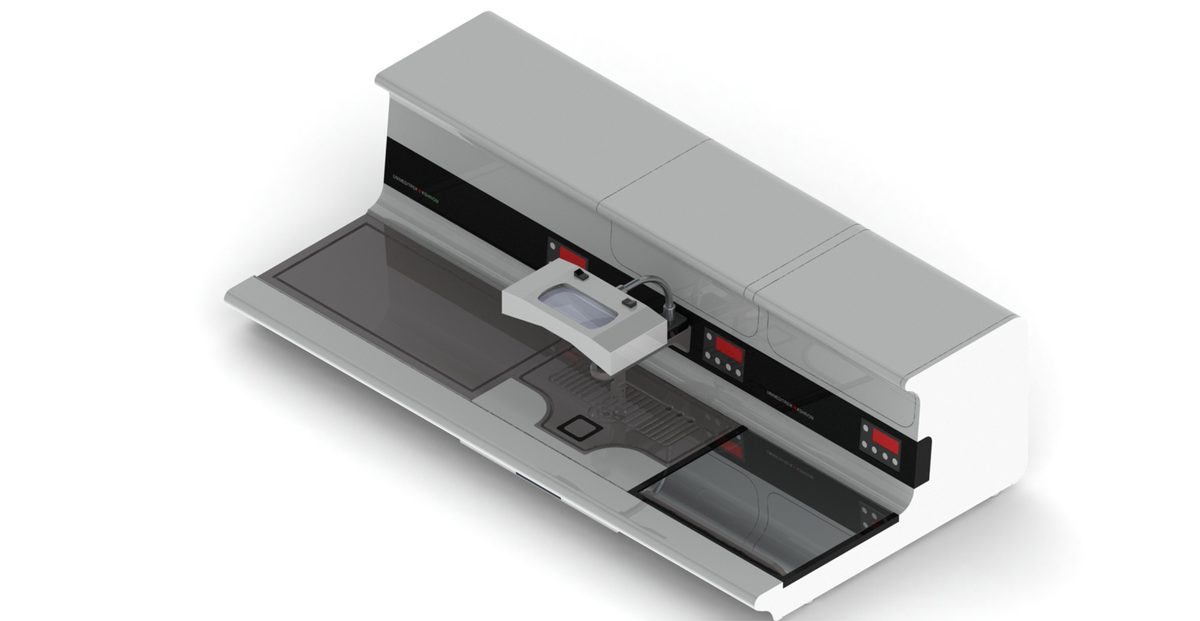
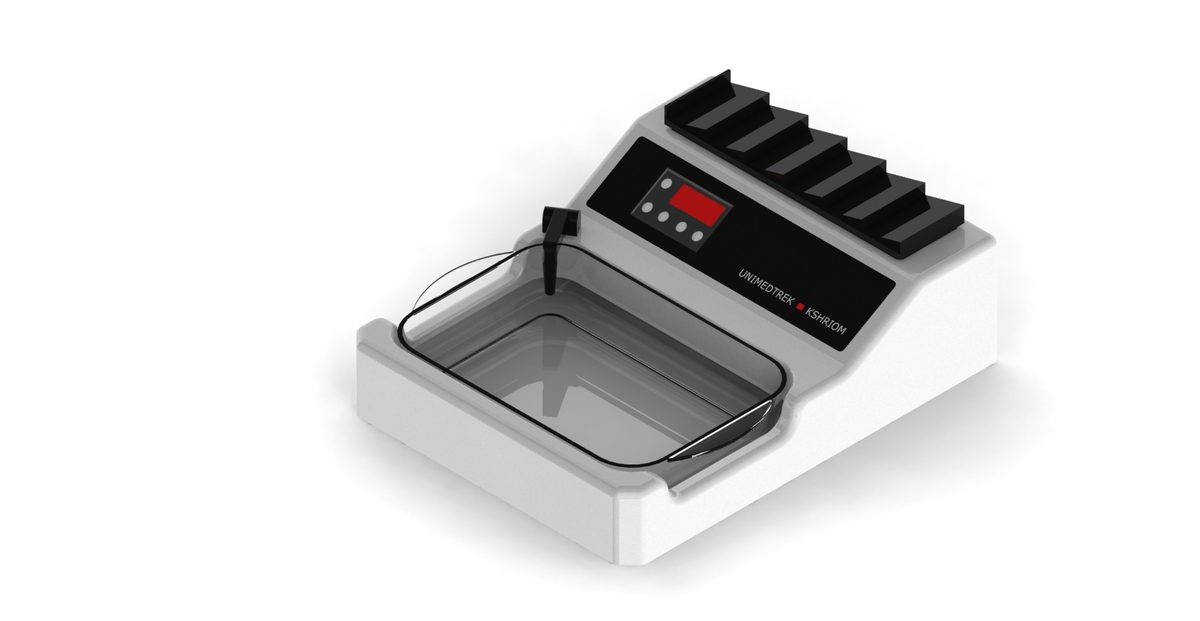
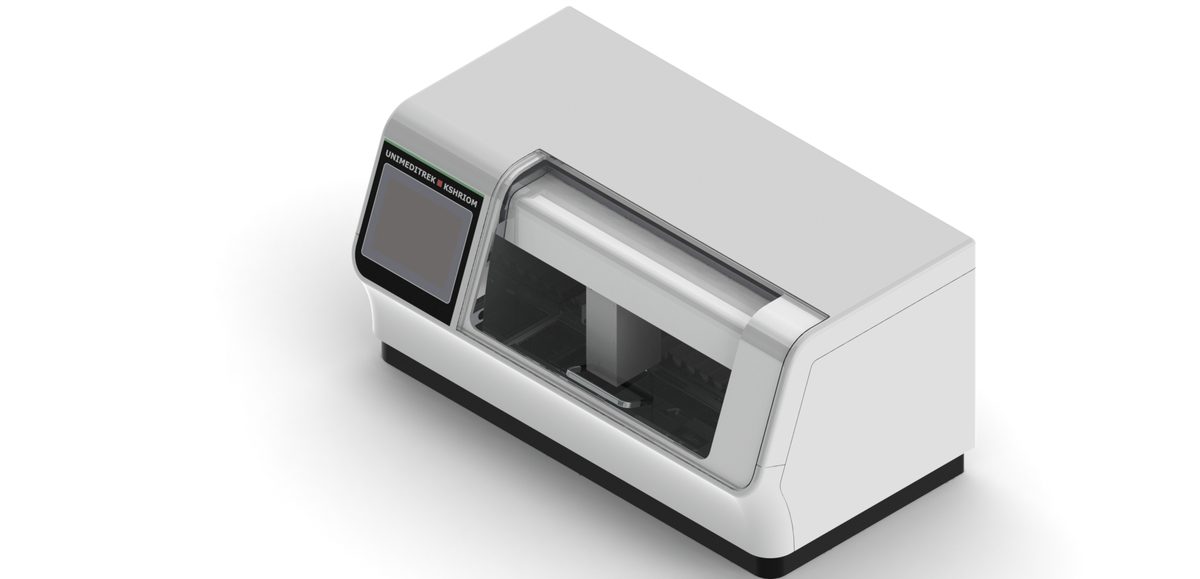
We supply the complete histopathology line — grossing, processing, embedding, microtomy, floatation, drying and staining — from one accountable Indian manufacturer, with installation, training, IQ/OQ/PQ/DQ documentation and AMC/CMC. That means a new laboratory can be planned, commissioned and supported end to end by a single partner. See Manufacturing Excellence and Quality & Compliance, or request a lab-planning discussion.
Frequently asked questions
How should we start planning a new histopathology lab?
Start from the workflow, not the equipment list. Design the flow — receiving, grossing, processing, embedding, microtomy, floatation/drying, staining, coverslipping and reporting — then select equipment and layout to serve it.
What equipment does a basic histopathology lab need?
At minimum a grossing station, tissue processor, embedding station, microtome, floatation bath, slide warming table and a staining setup — sized to case load. We can prepare a configuration for your specific volume.
How do we size equipment to our case load?
Estimate daily and peak load and case mix (small biopsies vs large resections), then match processor capacity, number of microtome stations, staining throughput and bench space to it — with a three-to-five-year growth horizon.
How much should we plan for growth?
Designing only for today’s load is one of the most common and costly errors. Plan capacity and layout for a realistic three-to-five-year horizon so you are not retrofitting expensively later.
What utilities and safety are required?
Proper fume extraction at grossing and staining, stable power, water/drainage where needed, controlled environment, and safe reagent storage and disposal. Biomedical should confirm electrical load and earthing per instrument.
What documentation is needed for commissioning and accreditation?
Installation and site-readiness records, IQ/OQ/PQ/DQ where applicable, operating manuals, QC records and warranty/AMC terms. We supply these with installation so the lab is audit-ready from day one.
Can one supplier provide the whole line?
Yes — Unimeditrek supplies the complete line from grossing to staining as one accountable Indian manufacturer, with installation, training, documentation and AMC/CMC, so a new lab can be planned and supported end to end.
How long does setup and commissioning take?
It depends on civil/utility readiness and equipment configuration. Once the site is ready, installation, commissioning and training are scheduled together — we confirm timelines with your quotation.
Prepared and reviewed by the Unimeditrek technical team based on laboratory practice, installation and service experience. This document explains histopathology workflow, laboratory practice and equipment based on the questions we hear from hospitals, medical colleges and diagnostic laboratories — vendor-neutral where it explains the science and practical where it explains equipment.
Discuss this for your laboratory
Our specialists can map this to your case load and recommend the right configuration, documentation and service plan.