Controlling Reagent and Consumable Cost in Histopathology
How reagent management, standardised consumables and subscription supply control the largest recurring cost in the laboratory — without compromising quality or safety.
Abstract
Reagents and consumables are the largest recurring cost in most histopathology laboratories, and also a hidden source of quality variability. Reagents changed by habit waste money; emergency consumable purchases cost more and disrupt work; and inconsistent consumables undermine standardisation. This paper sets out how reagent management, consumable standardisation and subscription supply control running cost while actually improving consistency and safety.
Where the recurring cost — and the waste — sits
Alcohols, clearing agents, paraffin, stains, cassettes, blades and slides are consumed every day. Two patterns drive avoidable cost: reagents discarded earlier than necessary "to be safe", and last-minute purchases at premium prices when stock runs out. Both ride alongside quality risk — reagents pushed too far degrade results, while stock-outs interrupt the workflow.
Reagent management: extend life safely
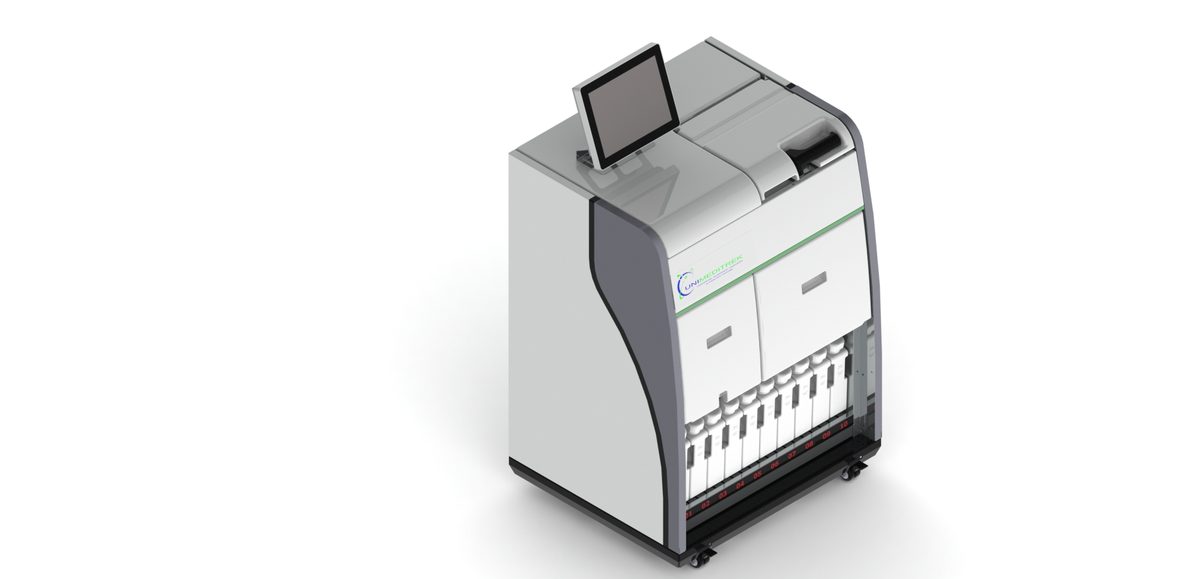
Modern tissue processors track reagent usage and prompt rotation, so reagents are replaced on evidence rather than habit. Managing reagents to their genuine useful life — no longer, no shorter — controls cost and protects processing quality at the same time. The aim is to remove guesswork, not to stretch reagents past their useful point.
Standardise consumables to reduce variability
Matched, lab-grade consumables — cassettes, blades, slides, stains and waxes of consistent specification — reduce the variability that causes rework. Standardisation also simplifies procurement and stock control, and makes troubleshooting easier because fewer variables change between batches.
Subscription and planned supply
Predictable consumables (reagents, cassettes, blades, slides) suit a planned or subscription supply: stock never runs out, pricing is steady and budgetable, and staff time is not spent on emergency ordering. Pairing this with minimum-stock alerts turns consumable supply from a recurring fire-drill into a routine.
Cost control without compromising quality or safety
Cost control must never mean under-fixing, over-stretching reagents or substituting unsuitable consumables — these create repeats and risk that cost more than they save, and can compromise safety (for example, formalin and xylene handling). The right savings come from eliminating waste and variability, not from cutting the inputs quality depends on.
How Unimeditrek helps
Our equipment supports reagent management to extend reagent life safely, and our matched consumables can be ordered online or placed on a subscription so supply stays steady and cost stays predictable. See the online shop for consumables, or discuss a consumables and subscription plan for your laboratory.
Frequently asked questions
What is the largest recurring cost in a histopathology lab?
Reagents and consumables — alcohols, clearing agents, paraffin, stains, blades, cassettes, slides and coverslips. Over a year they typically exceed the equipment cost, which is why managing them matters.
How does reagent management reduce cost?
By extending reagent life safely through rotation and monitoring rather than premature "by-eye" changes — and by preventing the failed runs and repeats that waste both reagent and time.
How often should reagents really be changed?
On a schedule matched to throughput and documented, not by appearance. Too-frequent changes waste money; too-infrequent changes cause poor blocks and repeats. The right interval is set at commissioning.
Do cheaper consumables save money?
Not always — a cheaper slide or blade that causes lost sections, re-stains or recuts costs far more than it saves. Standardising on consistent, matched consumables is usually cheaper overall.
How does a subscription supply help?
It keeps supply steady so the lab never stops for a stock-out, and makes recurring cost predictable for budgeting. Consumables can be ordered online or placed on subscription.
Can we cut cost without hurting quality?
Yes — most savings come from reagent discipline, standardised consumables and fewer repeats, none of which compromise quality or safety. Cutting fixation or reagent quality to save money usually backfires.
What consumables should we plan and stock?
Processing reagents and paraffin, stains and differentiators, blades, cassettes, moulds, slides, coverslips and mountant — with buffer stock for high-use items and a reorder point tied to throughput.
How do we track consumable cost?
Record usage against slide/block throughput and reagent-change dates. That per-unit view exposes waste and makes budgeting and tendering far easier.
Prepared and reviewed by the Unimeditrek technical team based on laboratory practice, installation and service experience. This document explains histopathology workflow, laboratory practice and equipment based on the questions we hear from hospitals, medical colleges and diagnostic laboratories — vendor-neutral where it explains the science and practical where it explains equipment.
Discuss this for your laboratory
Our specialists can map this to your case load and recommend the right configuration, documentation and service plan.