Home › Knowledge › Tissue Embedding Station Transforming Histopathology
Case studyTissue Embedding Station Transforming Histopathology
A case study on enhanced efficiency in a medical college
Introduction
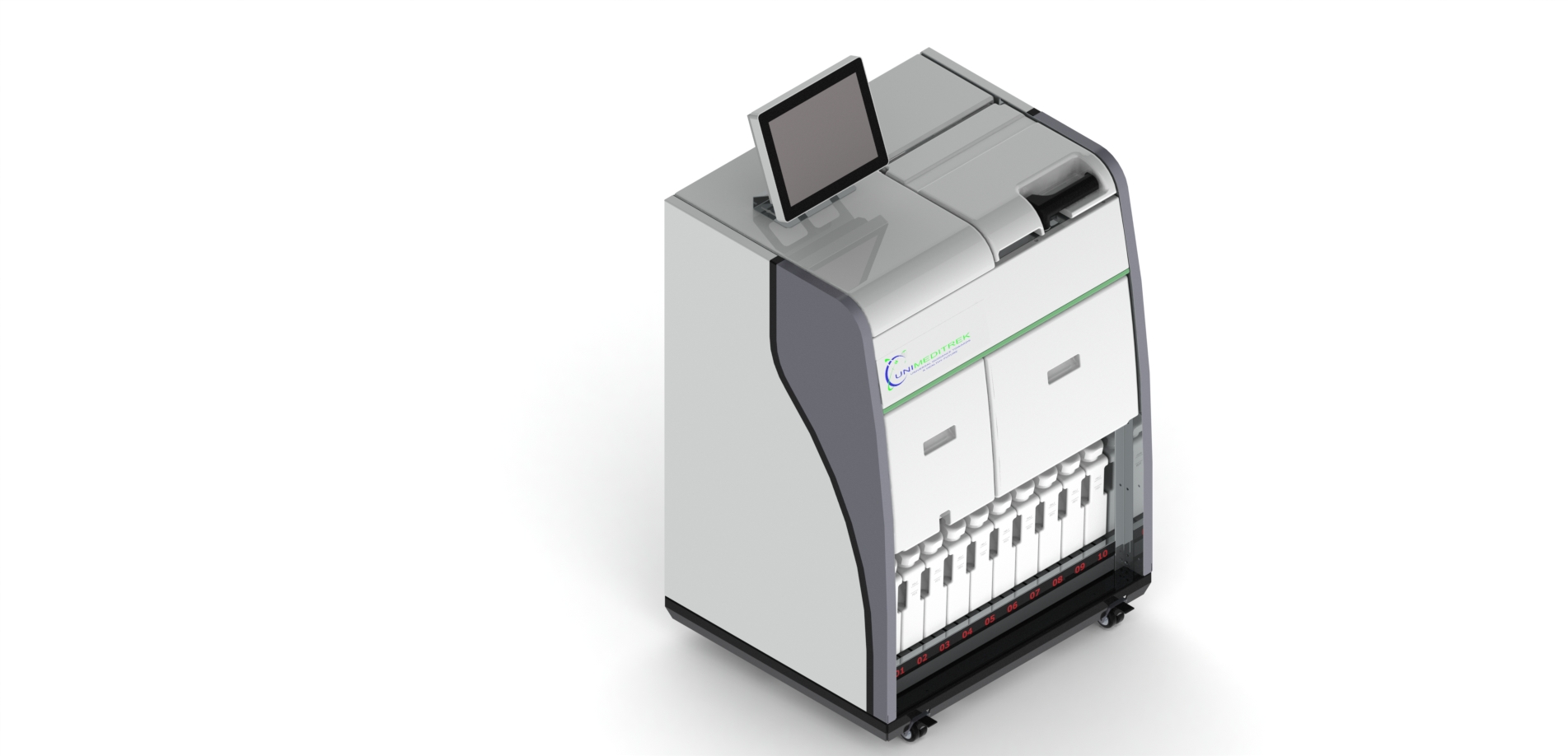
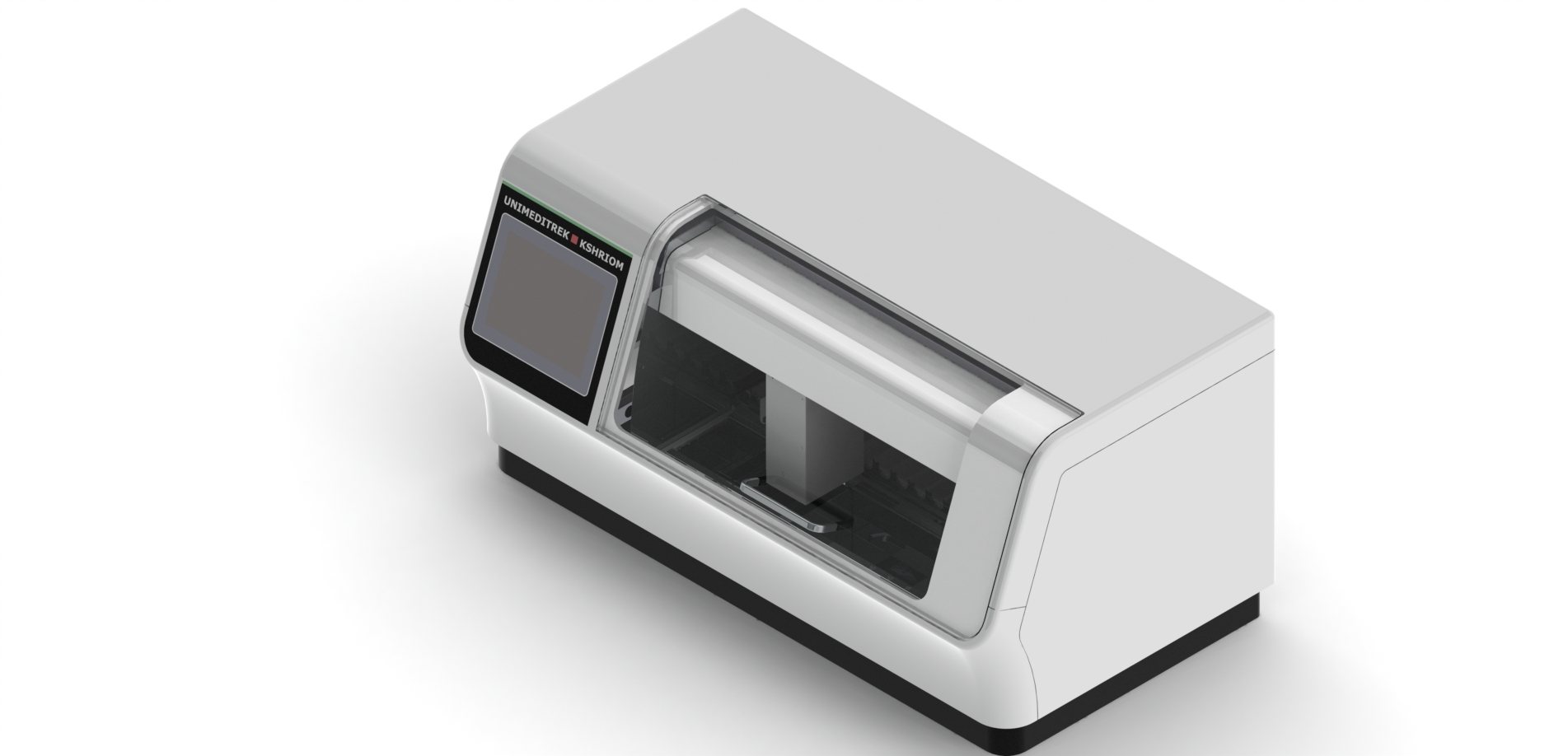
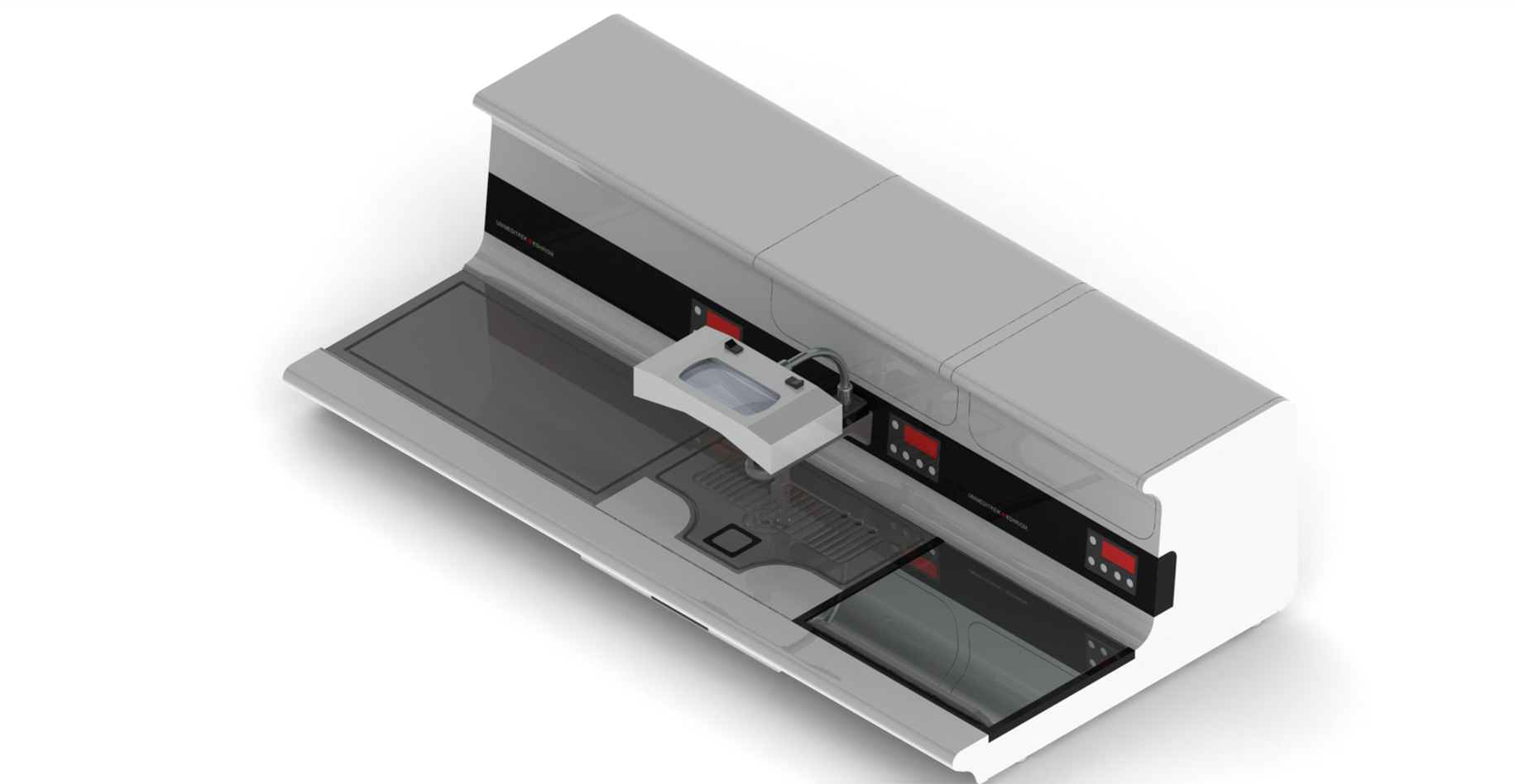
In the rapidly evolving field of histopathology, the efficiency and accuracy of tissue processing are paramount. A leading medical college in India, renowned for its commitment to academic excellence and research, recently adopted the Tissue Embedding Station from Unimeditrek. This case study explores the transformative impact of this advanced equipment on their histopathology lab.
The Challenge
Prior to the implementation of the Tissue Embedding Station, the pathology department faced significant challenges. Manual embedding processes were time-consuming and often led to inconsistencies in tissue sectioning, impacting the quality of diagnostic results. The lab was experiencing delays in turnaround times, which affected the overall patient care experience. The need for a more efficient and reliable solution became evident.
Adoption of the Tissue Embedding Station
After thorough research and evaluation, the department decided to invest in the Tissue Embedding Station. The installation process was seamless, and the Unimeditrek team provided comprehensive training to the lab technicians. The new system integrated advanced temperature control and automated embedding capabilities, allowing for a significant reduction in manual labor and error margins.
Outcomes and Benefits
Following the adoption of the Tissue Embedding Station, the pathology lab witnessed remarkable improvements:
- Increased Efficiency: The automated processes reduced the embedding time by over 50%, allowing technicians to focus on other critical tasks.
- Improved Accuracy: Consistent embedding temperatures and precise tissue orientation led to higher-quality sections, enhancing diagnostic accuracy.
- Enhanced Workflow: The integration of the Tissue Embedding Station streamlined the workflow, resulting in quicker turnaround times for histopathological reports.
- Better Training Opportunities: The sophisticated technology provided a platform for students and interns to learn advanced histopathology techniques, enriching their educational experience.
Conclusion
The case of the medical college illustrates the significant impact that modern histopathology equipment, such as the Tissue Embedding Station, can have on laboratory operations. By embracing technology, the institution not only improved its diagnostic capabilities but also enhanced the overall quality of patient care. This transformation serves as a model for other laboratories seeking to modernize their processes and improve outcomes.
Practical Takeaway
Investing in advanced histopathology equipment like the Tissue Embedding Station can lead to substantial improvements in efficiency, accuracy, and educational opportunities in medical institutions.
FAQs
What is a Tissue Embedding Station?
A Tissue Embedding Station is a specialized piece of equipment used in histopathology to automate the embedding of tissue samples in paraffin, enhancing accuracy and efficiency.
How does the Tissue Embedding Station improve lab workflows?
It streamlines the embedding process, reduces manual labor, and minimizes errors, leading to faster turnaround times and improved diagnostic quality.
This document has been prepared and reviewed by the Unimeditrek technical team based on histopathology workflow, laboratory practice, installation and service experience, and questions we hear from hospitals, medical colleges and diagnostic laboratories. It is vendor-neutral where it explains the science and practical where it explains equipment.
Prepared by Unimeditrek Pvt. Ltd.. For product specifications and quotations, contact our team.