Home › Knowledge › Standardizing Frozen-Section Turnaround in Cancer Centres
Case studyStandardizing Frozen-Section Turnaround in Cancer Centres
A transformative approach to histopathology efficiency
Introduction
In the competitive landscape of cancer treatment, timely diagnosis is crucial. A leading cancer centre faced challenges with inconsistent frozen-section turnaround times, impacting surgical decisions and patient outcomes. Recognizing the need for improvement, the centre embarked on a journey to standardize its frozen-section processes using advanced histopathology equipment.
Identifying the Challenges
The cancer centre's pathology department struggled with various inefficiencies, including delays in tissue processing, inconsistent staining results, and inadequate communication between surgical teams and pathologists. These issues often led to extended waiting times for surgeons, which could affect patient care. The need for a streamlined process became evident.
Implementing Advanced Equipment
To address these challenges, the cancer centre invested in state-of-the-art histopathology equipment from Unimeditrek, including:
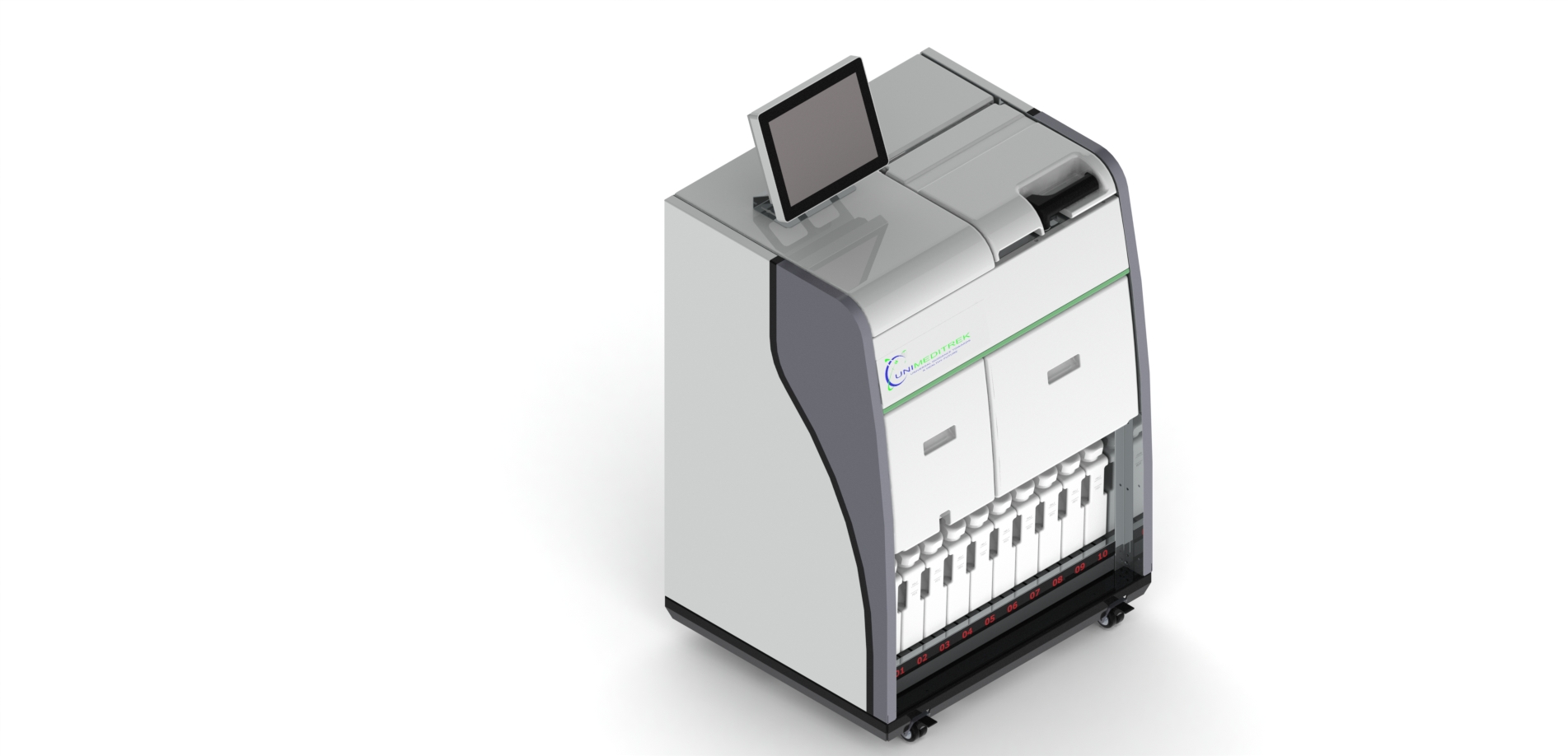
- Automatic Vacuum Tissue Processor: This machine significantly reduced the time required for tissue processing, ensuring that samples were prepared quickly and efficiently.
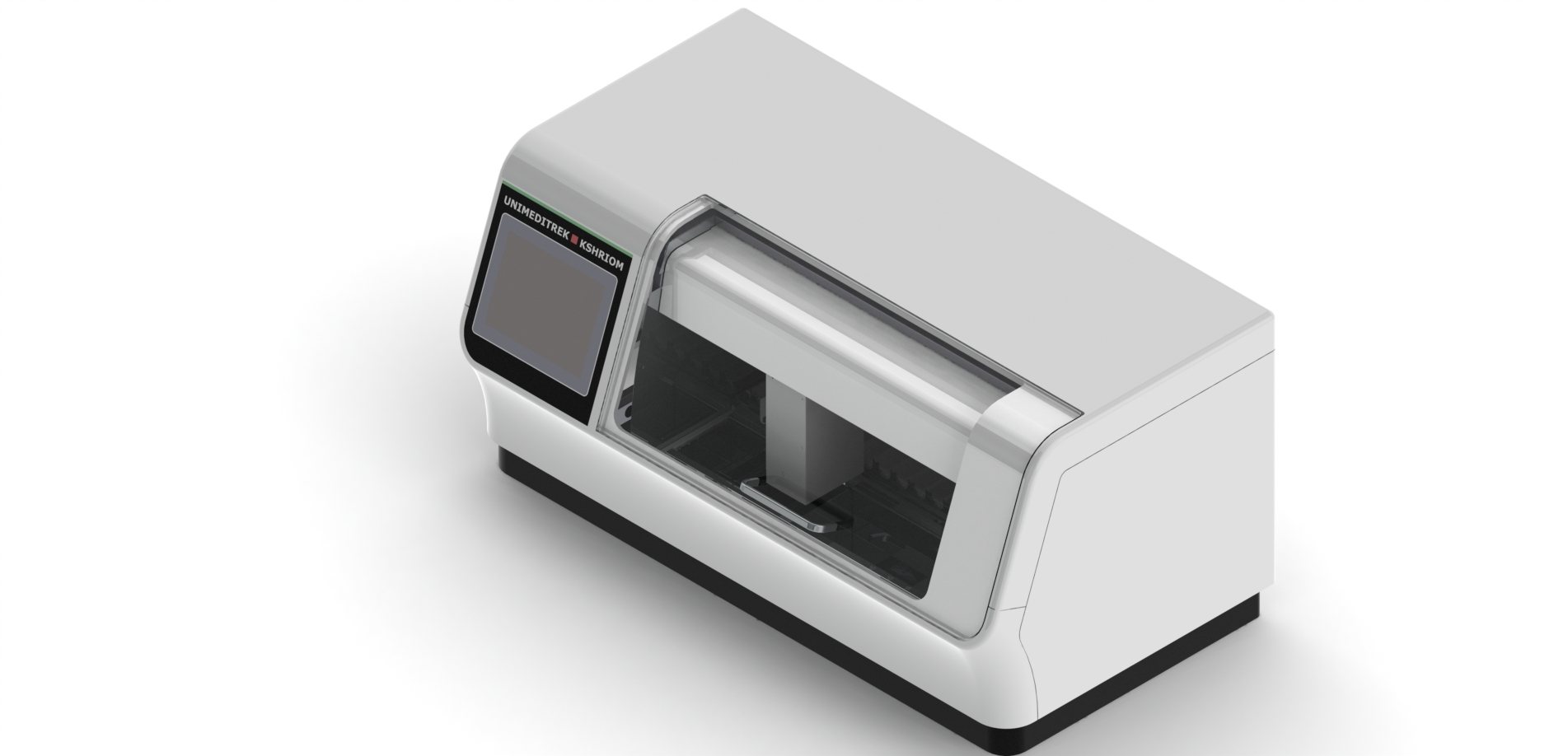
- Automatic Slide Staining Machine: With automated staining, the centre achieved consistent and high-quality results, minimizing human error and variability.
- Tissue Embedding Station: This equipment facilitated rapid embedding of samples, allowing pathologists to work with fresh specimens without delays.
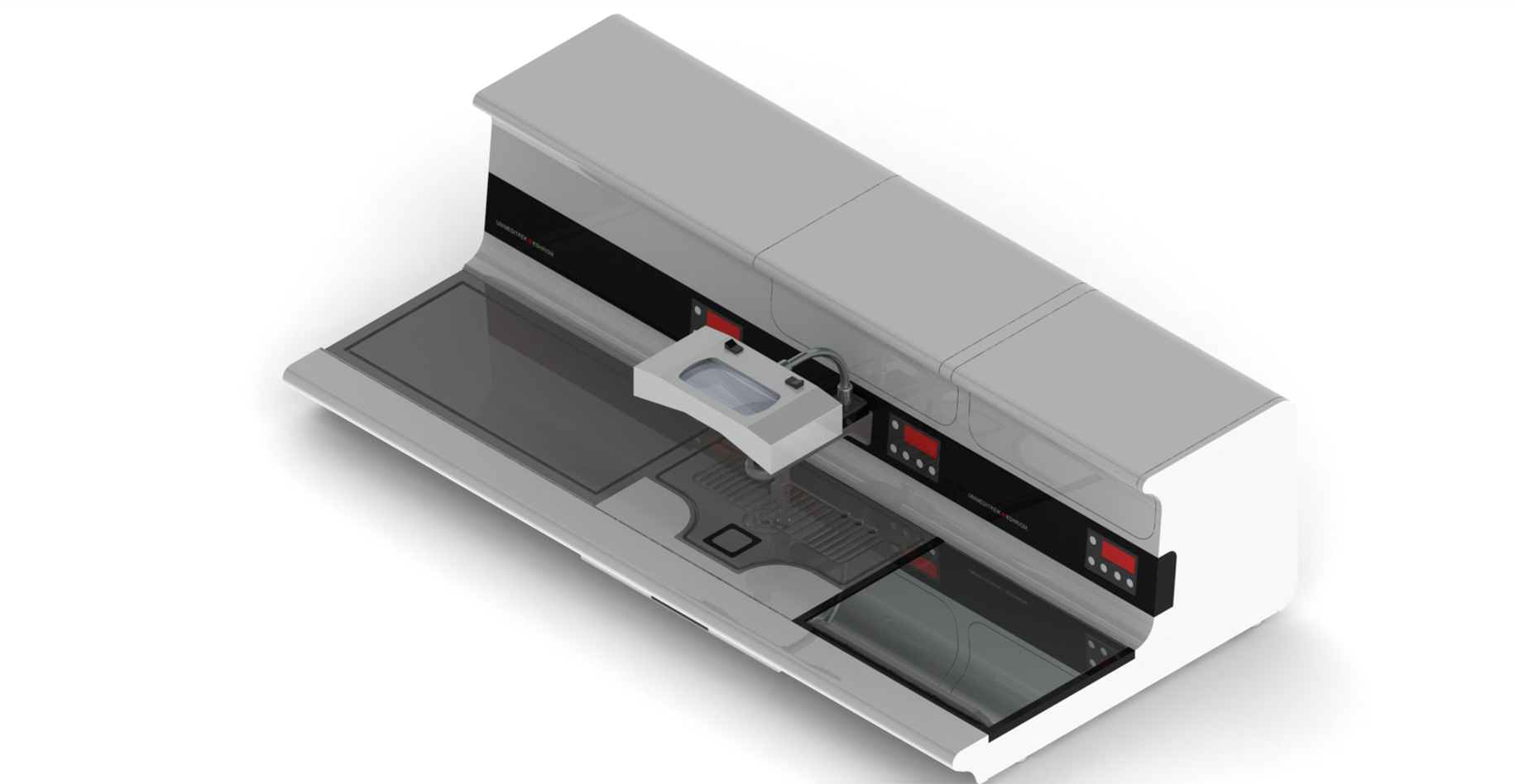
- Digital Tissue Floatation Bath: The digital interface allowed for precise temperature control, ensuring optimal tissue sectioning.
- Slide Warming Table: This device ensured that slides were maintained at the correct temperature, improving the quality of the staining process.
- Cryostat Microtome: The cryostat enabled quick and efficient sectioning of frozen tissues, allowing pathologists to provide timely diagnoses.
Standardizing Processes
With the new equipment in place, the cancer centre developed standardized protocols for frozen-section procedures. Training sessions were conducted for pathologists and technicians to ensure everyone was familiar with the new processes and equipment. Regular audits and feedback loops were established to monitor performance and make adjustments as needed.
Results and Impact
The implementation of standardized protocols and advanced equipment led to a remarkable improvement in frozen-section turnaround times. The average time from specimen receipt to diagnosis decreased significantly, allowing surgeons to make informed decisions during surgeries. This not only enhanced patient outcomes but also improved the overall efficiency of the surgical department.
Furthermore, the cancer centre reported higher satisfaction rates among both surgeons and patients, highlighting the importance of timely information in the surgical setting. The standardization also fostered a culture of continuous improvement within the pathology department, encouraging ongoing training and adaptation to new technologies.
Conclusion and Takeaway
Standardizing frozen-section turnaround processes is essential for cancer centres aiming to enhance patient care and operational efficiency. By investing in advanced histopathology equipment and developing clear protocols, facilities can significantly reduce turnaround times and improve diagnostic accuracy. For any cancer centre looking to optimize its frozen-section workflow, the right equipment and a commitment to standardization are key.
FAQs
What is a frozen-section turnaround?
Frozen-section turnaround refers to the time taken from receiving a tissue sample to providing a diagnosis during surgery.
How can advanced equipment improve frozen-section processes?
Advanced equipment such as automatic processors and cryostats streamline tissue processing and sectioning, leading to faster and more accurate diagnoses.
This document has been prepared and reviewed by the Unimeditrek technical team based on histopathology workflow, laboratory practice, installation and service experience, and questions we hear from hospitals, medical colleges and diagnostic laboratories. It is vendor-neutral where it explains the science and practical where it explains equipment.
Prepared by Unimeditrek Pvt. Ltd.. For product specifications and quotations, contact our team.