Home › Knowledge › Setting Up Tissue Processing in a New Histopathology Lab
Knowledge articleSetting Up Tissue Processing in a New Histopathology Lab
A practical walkthrough for setting up a reliable, artefact-free tissue processing workflow in a new lab from day one.
If you're standing up a new histopathology lab, processing is the corner you don't want to cut. It quietly decides whether your blocks cut clean or fight you at the microtome, so it's worth getting right from day one. Here's how I'd set it up.
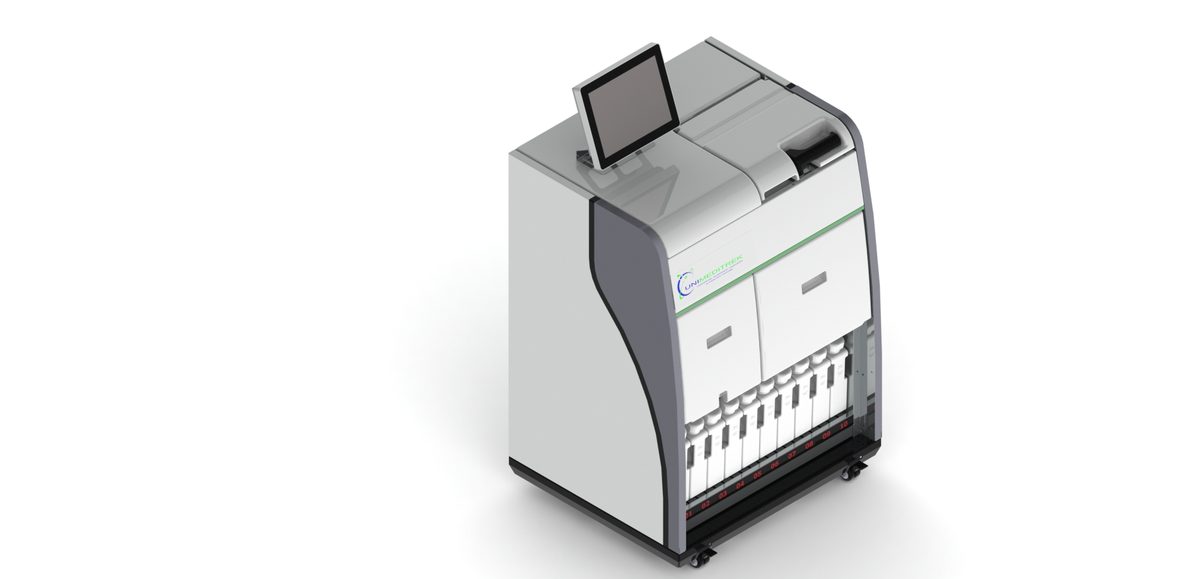
Size the processor to your real load — not your average day
Estimate your busiest week, not a typical one, and buy for that with a little headroom. A tissue processor that's comfortable on your heaviest tray is one that never becomes the bottleneck when the specimens pile up.
Plan two schedules from the start
You'll want a long overnight run for the routine mix and a short one for small urgent biopsies. Deciding this early shapes how you set up reagents and staffing. There's a fuller breakdown in processing protocols and schedules.
Insist on power-failure protection
This is India — plan for the power going out mid-run. A built-in UPS that holds the cycle through a cut is not a luxury; it's the difference between an uneventful morning and a tray of ruined specimens.
Set up reagent discipline on day one
Start a rotation and a change log before you run a single case. Reagents fade quietly, and the habits you build in week one are the ones that keep quality steady in year three. The complete tissue processing guide covers the why behind each step.
FAQs
What is the most important thing when setting up tissue processing?
Sizing the processor to your real daily load and insisting on reagent management plus specimen protection (a built-in UPS).
Vacuum or carousel for a new lab?
Vacuum for higher, consistent throughput and safety; carousel for economical routine loads. It depends on your volume.
Prepared and reviewed by the Unimeditrek technical team based on laboratory practice, installation and service experience. This document explains histopathology workflow, laboratory practice and equipment based on the questions we hear from hospitals, medical colleges and diagnostic laboratories — vendor-neutral where it explains the science and practical where it explains equipment.
Prepared by Unimeditrek Pvt. Ltd.. For product specifications and quotations, contact our team.