Home › Knowledge › Quality Control in the Histopathology Laboratory
Knowledge articleQuality Control in the Histopathology Laboratory
Ensuring Accuracy and Reliability in Diagnostics
Introduction to Quality Control in Histopathology
Quality control (QC) is a crucial aspect of histopathology laboratories, ensuring that diagnostic results are accurate, reliable, and reproducible. In an era where precision medicine is on the rise, maintaining high standards in laboratory processes is essential for patient care and treatment outcomes.
Importance of Quality Control
Quality control in histopathology involves systematic monitoring of various processes, from specimen collection to slide preparation. Effective QC helps in identifying errors, reducing variability, and enhancing the overall quality of laboratory results. This not only safeguards patient health but also upholds the reputation of the laboratory.
Key Components of Quality Control
- Standard Operating Procedures (SOPs): Establishing clear SOPs for every procedure ensures consistency and minimizes errors.
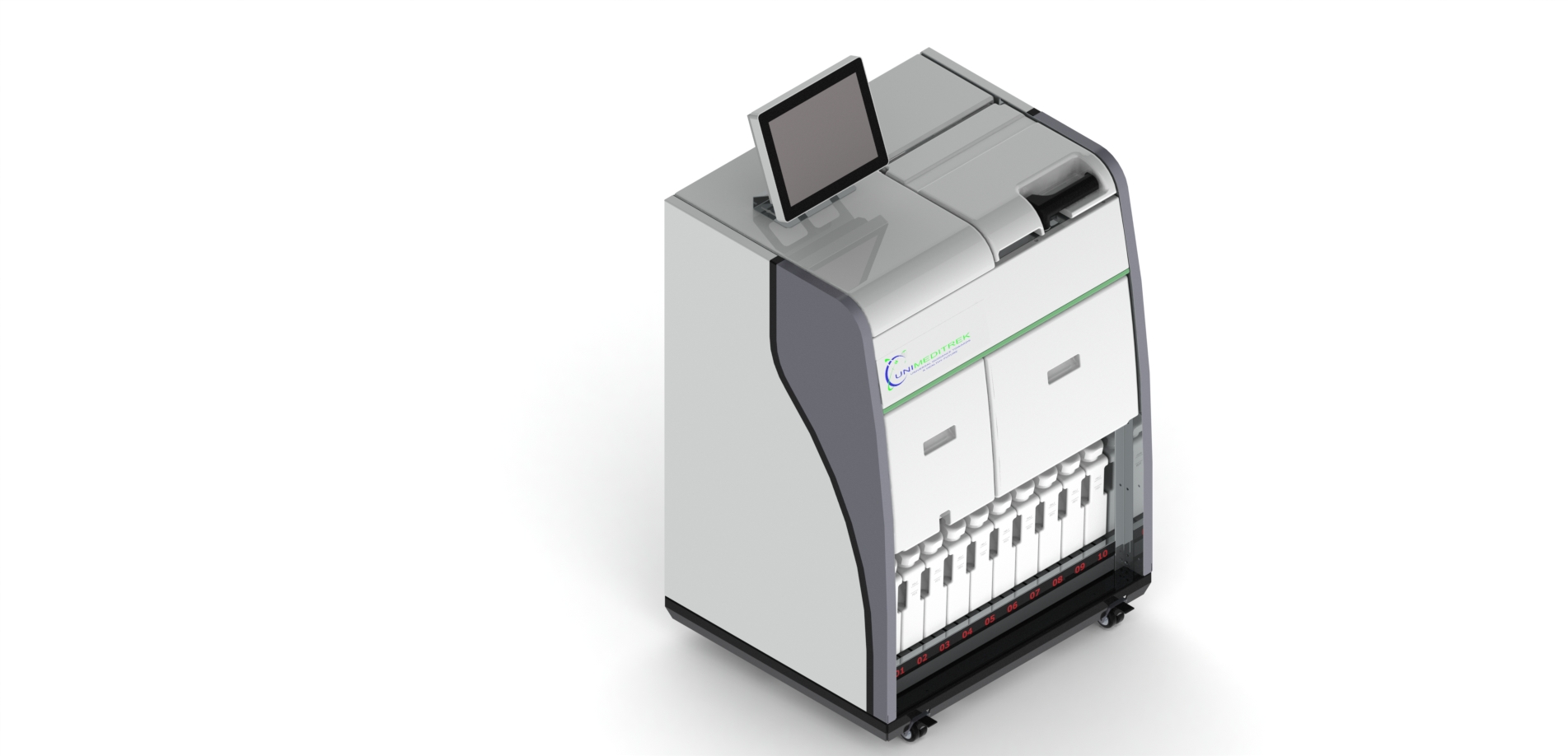
- Regular Equipment Calibration: Instruments such as the Automatic Vacuum Tissue Processor and Cryostat Microtome should be calibrated regularly to maintain accuracy.
- Control Samples: Using control samples alongside patient specimens allows for real-time monitoring of accuracy.
- Training and Competency Assessment: Continuous training for laboratory personnel is essential to keep them updated with the latest techniques and technologies.
Role of Equipment in Quality Control
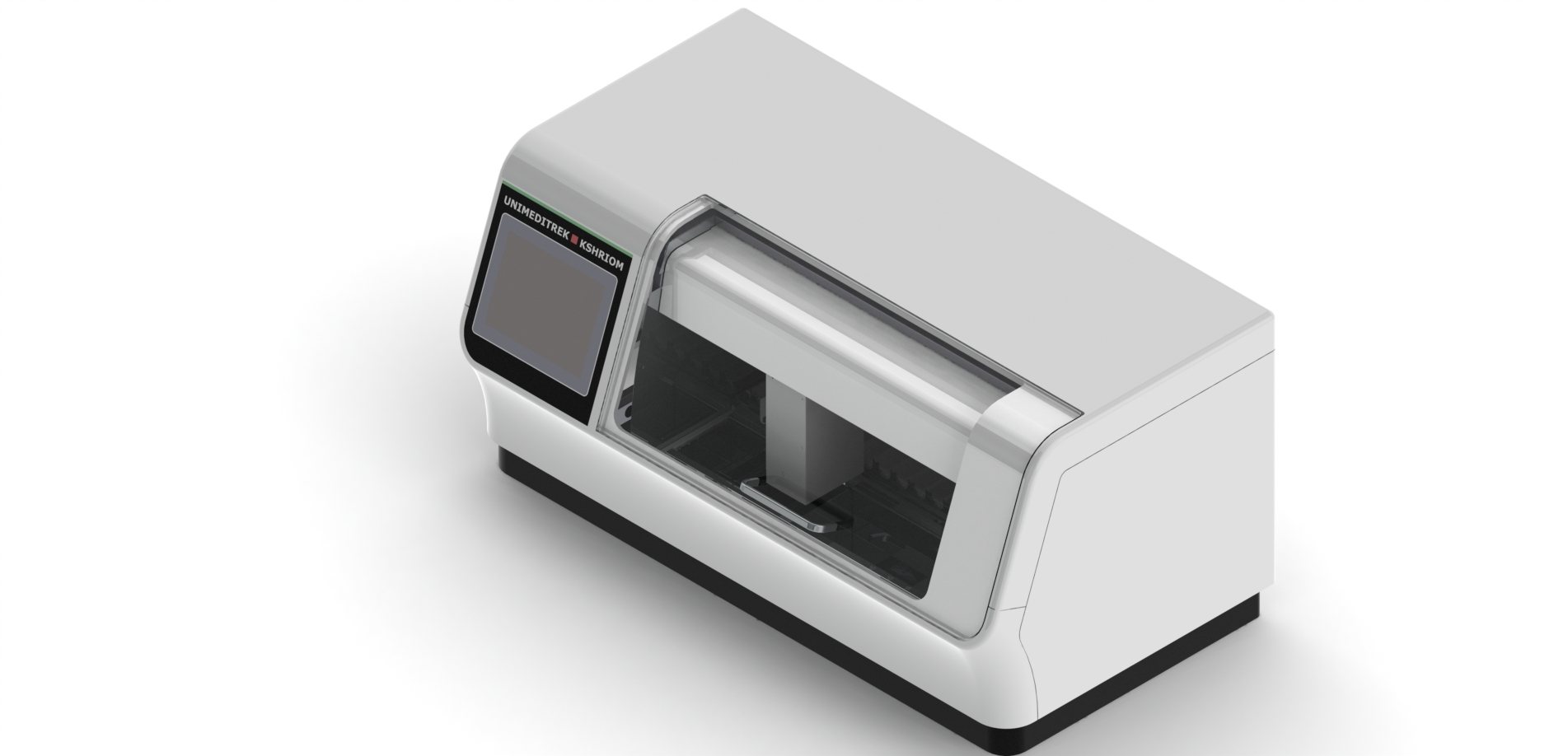
The right equipment plays a pivotal role in ensuring quality control in histopathology labs. For instance, the Automatic Slide Staining Machine provides consistent staining results, reducing variability in interpretation. Similarly, a Tissue Embedding Station ensures proper embedding of tissues, which is critical for accurate sectioning and diagnosis.
Specific Equipment for Enhanced QC
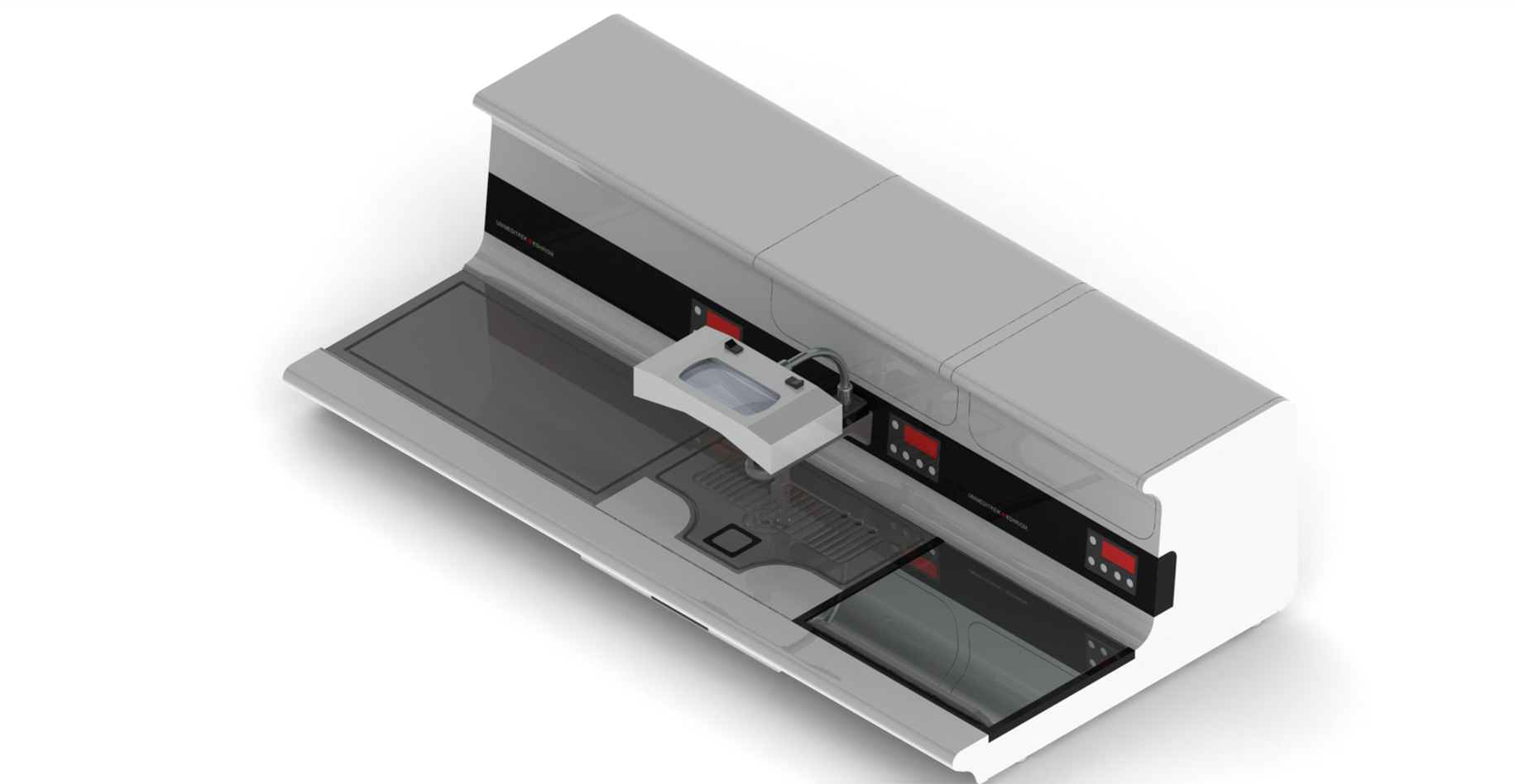
- Digital Tissue Floatation Bath: This equipment aids in maintaining optimal temperatures for tissue sections, preventing distortion.
- Slide Warming Table: Ensures slides are at the right temperature for staining, enhancing the quality of the final product.
Monitoring and Evaluation
Regular audits and evaluations of QC processes are necessary to identify areas for improvement. Implementing a feedback loop where laboratory staff can report issues and suggest improvements fosters a culture of quality. Documentation of QC activities is also vital for compliance and continuous improvement.
Conclusion and Practical Takeaway
In conclusion, quality control in histopathology laboratories is essential for delivering accurate diagnostic results. By leveraging advanced equipment such as Unimeditrek's Automatic Vacuum Tissue Processor and Cryostat Microtome, laboratories can enhance their QC processes, ultimately leading to better patient outcomes. Regular training, adherence to SOPs, and equipment calibration are practical steps to ensure quality control in histopathology.
FAQs
What is quality control in histopathology?
Quality control in histopathology involves systematic monitoring of laboratory processes to ensure accuracy and reliability of diagnostic results.
How does equipment impact quality control in histopathology?
Properly calibrated and advanced equipment, such as the Automatic Slide Staining Machine and Tissue Embedding Station, significantly enhances the quality and consistency of histopathological results.
This document has been prepared and reviewed by the Unimeditrek technical team based on histopathology workflow, laboratory practice, installation and service experience, and questions we hear from hospitals, medical colleges and diagnostic laboratories. It is vendor-neutral where it explains the science and practical where it explains equipment.
Prepared by Unimeditrek Pvt. Ltd.. For product specifications and quotations, contact our team.