Home › Knowledge › Paraffin Embedding and Tissue Orientation Best Practices
Knowledge articleParaffin Embedding and Tissue Orientation Best Practices
Maximize histopathology accuracy with expert techniques
Understanding Paraffin Embedding
Paraffin embedding is a crucial technique in histopathology that preserves tissue samples for microscopic examination. By infiltrating tissues with paraffin wax, the cellular structures are maintained, allowing for detailed analysis. The embedding process involves several key steps, including fixation, dehydration, clearing, and infiltration.
Best Practices for Tissue Orientation
Proper tissue orientation is essential for accurate diagnosis and analysis. Here are some best practices to consider:
- Consistent Orientation: Always orient tissues in a consistent manner, ensuring that the same surface is facing up in each block. This practice minimizes variability in sectioning.
- Use of Orientation Markers: Utilize orientation markers or ink to indicate the correct orientation of the tissue. This helps pathologists quickly identify the area of interest.
- Embedding Techniques: Employ techniques such as the "face down" method for larger specimens to ensure that the entire tissue is adequately embedded.
Optimizing the Embedding Process
Utilizing the right equipment can significantly enhance the embedding process:
- Tissue Embedding Station: Invest in a reliable tissue embedding station that provides optimal temperature control and even paraffin distribution.
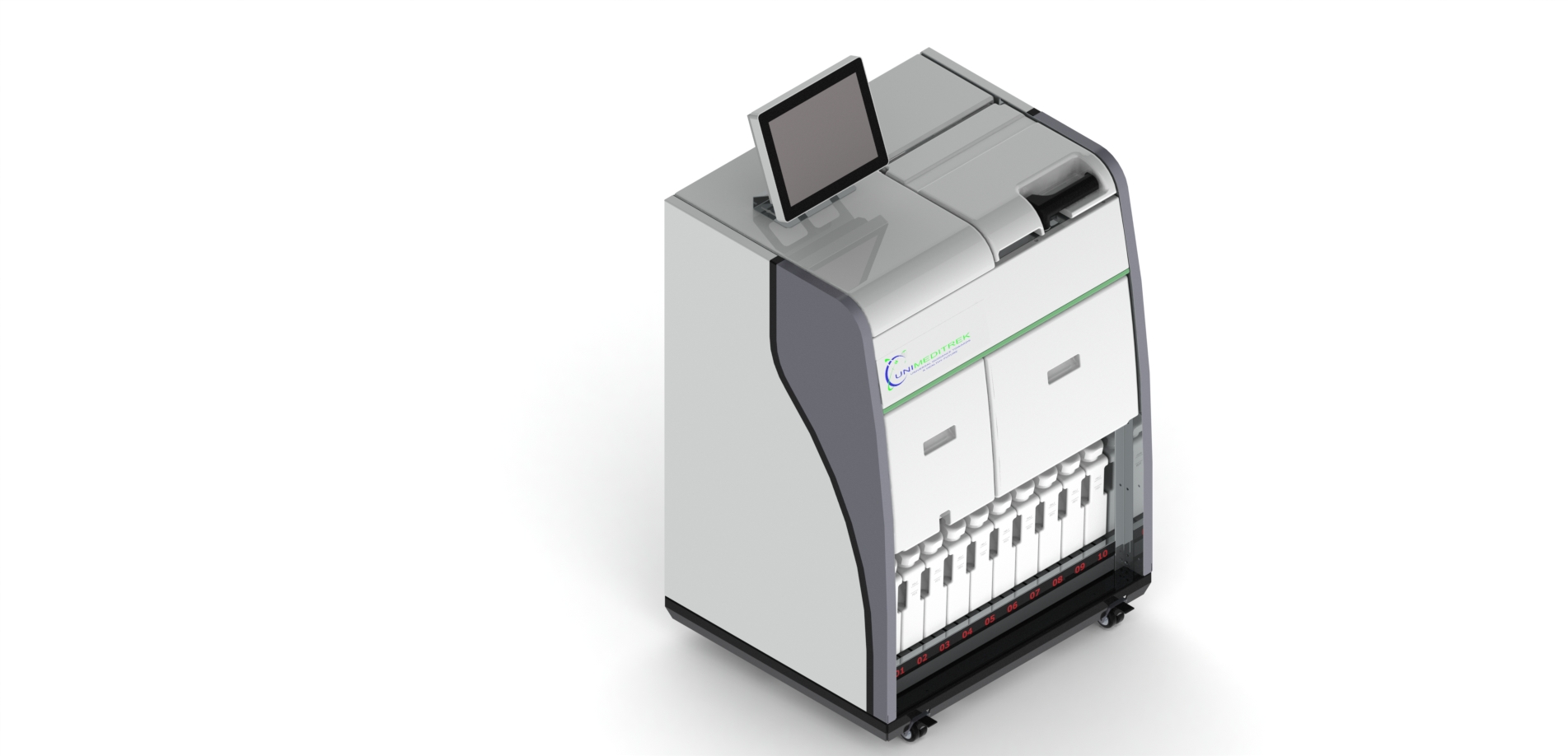
- Automatic Vacuum Tissue Processor: Use an automatic vacuum tissue processor to ensure thorough dehydration and infiltration, which are critical for quality embedding.
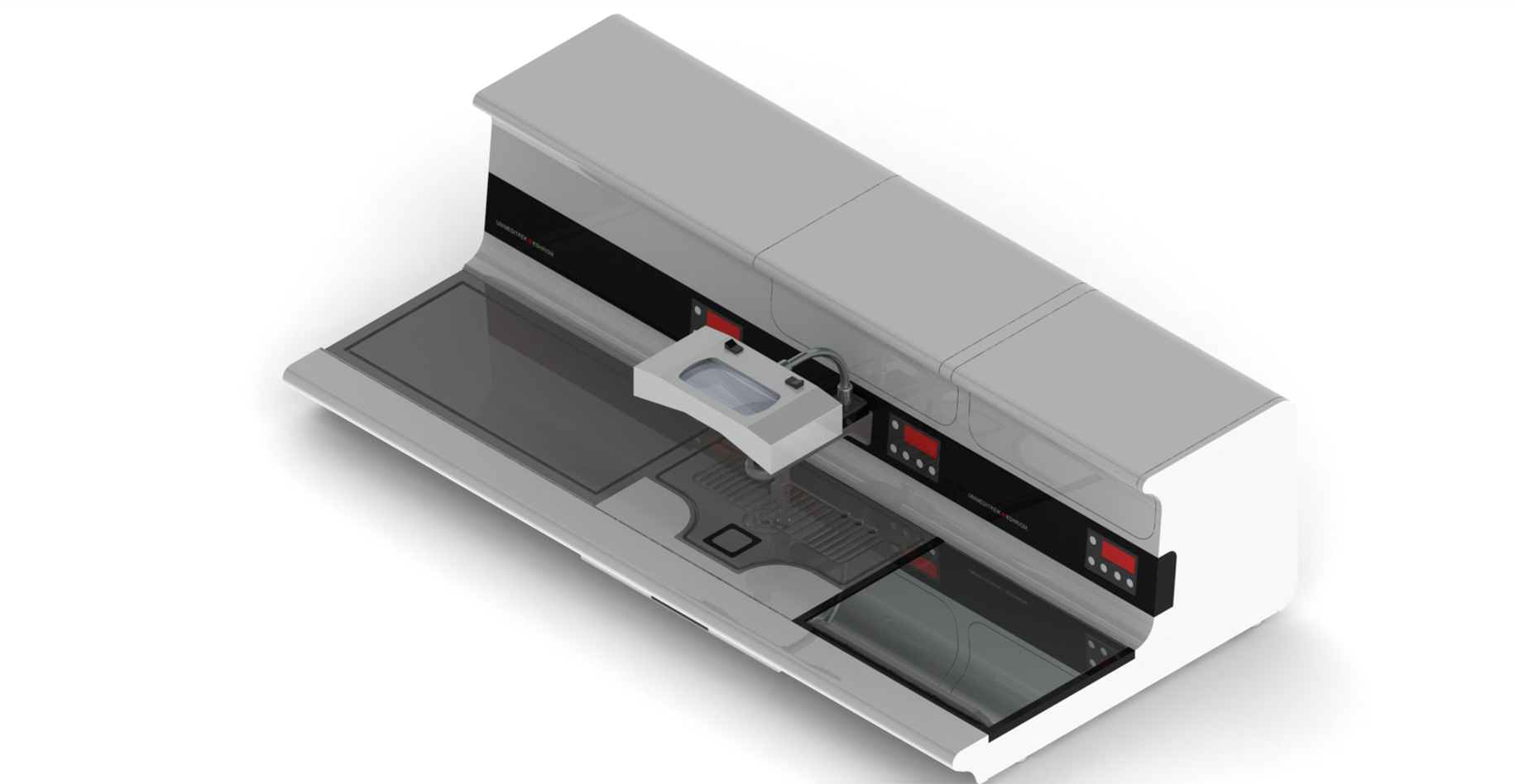
- Digital Tissue Floatation Bath: A digital tissue floatation bath can help in achieving optimal orientation before embedding.
Sectioning and Staining Considerations
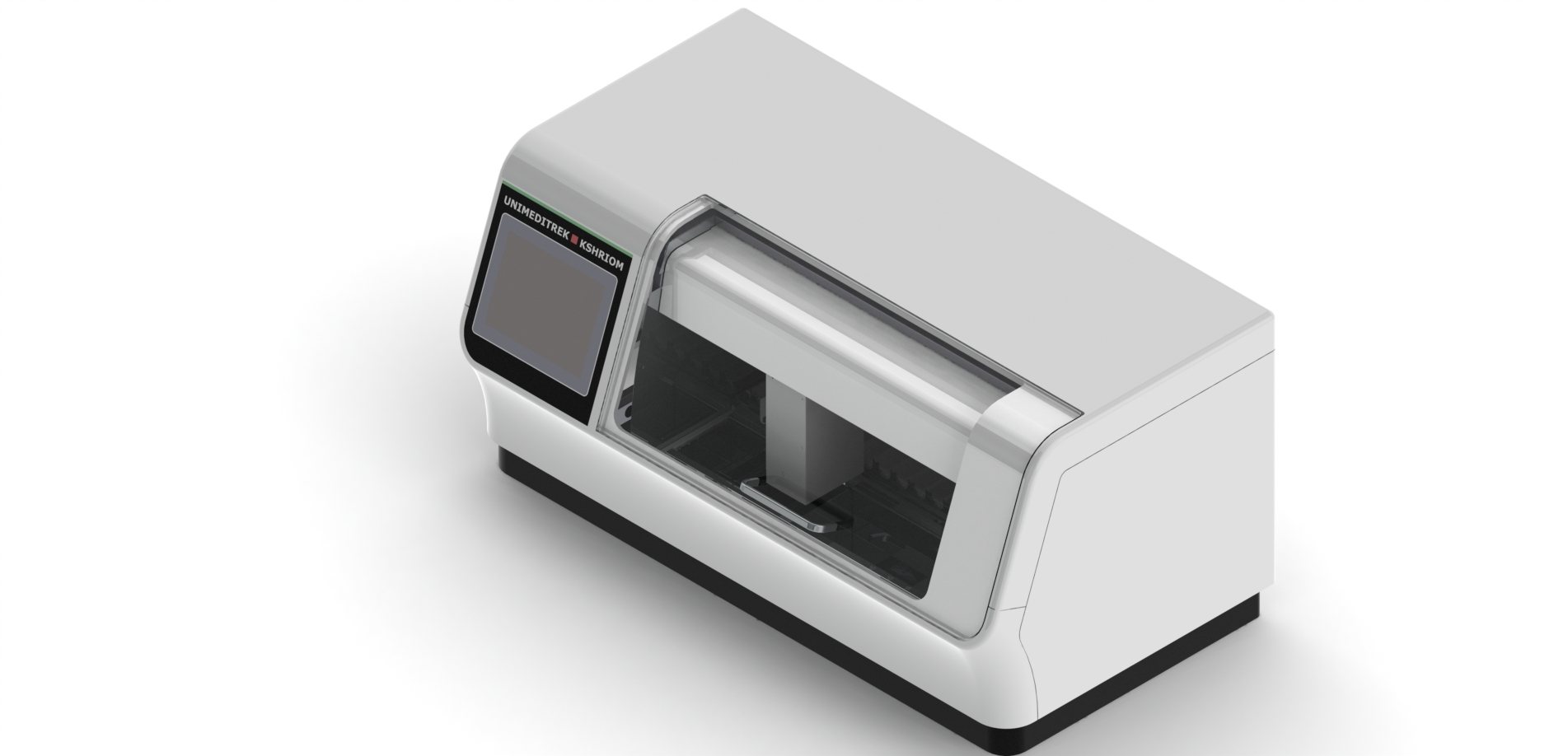
After embedding, proper sectioning is vital. Use a cryostat microtome for precise cuts, ensuring that the sections are uniform and suitable for staining. Following sectioning, employ an automatic slide staining machine for consistent and high-quality staining results.
Practical Takeaway
Implementing best practices in paraffin embedding and tissue orientation not only enhances the quality of histopathological samples but also improves diagnostic accuracy. Invest in high-quality equipment like the automatic vacuum tissue processor and tissue embedding station to streamline your workflow and achieve reliable results.
FAQs
What is the importance of tissue orientation in histopathology?
Tissue orientation ensures that the correct surfaces of samples are analyzed, which is crucial for accurate diagnosis.
How can I improve my paraffin embedding technique?
Utilizing automated equipment like the Automatic Vacuum Tissue Processor and Tissue Embedding Station can enhance the quality and consistency of your embedding process.
This document has been prepared and reviewed by the Unimeditrek technical team based on histopathology workflow, laboratory practice, installation and service experience, and questions we hear from hospitals, medical colleges and diagnostic laboratories. It is vendor-neutral where it explains the science and practical where it explains equipment.
Prepared by Unimeditrek Pvt. Ltd.. For product specifications and quotations, contact our team.