Home › Knowledge › Histopathology Lab Safety: Formalin and Solvent Fume Management
Knowledge articleHistopathology Lab Safety: Formalin and Solvent Fume Management
Essential practices for a safe histopathology lab environment
Understanding the Risks of Formalin and Solvents
Formalin, a widely used fixative in histopathology, contains formaldehyde, a known carcinogen. Inhalation of its fumes can lead to respiratory issues and long-term health problems. Similarly, organic solvents like xylene and ethanol pose flammability and toxicity risks. Understanding these hazards is crucial for maintaining a safe laboratory environment.
Implementing Effective Fume Management Strategies
To minimize exposure to hazardous fumes, implement the following strategies:
- Ventilation: Ensure adequate ventilation in the histopathology lab. Use fume hoods or local exhaust ventilation systems to capture and remove fumes at the source.
- Personal Protective Equipment (PPE): Equip lab personnel with appropriate PPE, including gloves, goggles, and lab coats to protect against chemical exposure.
- Regular Monitoring: Conduct regular air quality assessments to monitor formaldehyde and solvent levels, ensuring they remain within permissible limits.
Using Equipment to Enhance Safety
Investing in the right histopathology equipment can significantly enhance safety. For instance:
- Automatic Vacuum Tissue Processor: This equipment minimizes manual handling of formalin, reducing exposure to fumes.
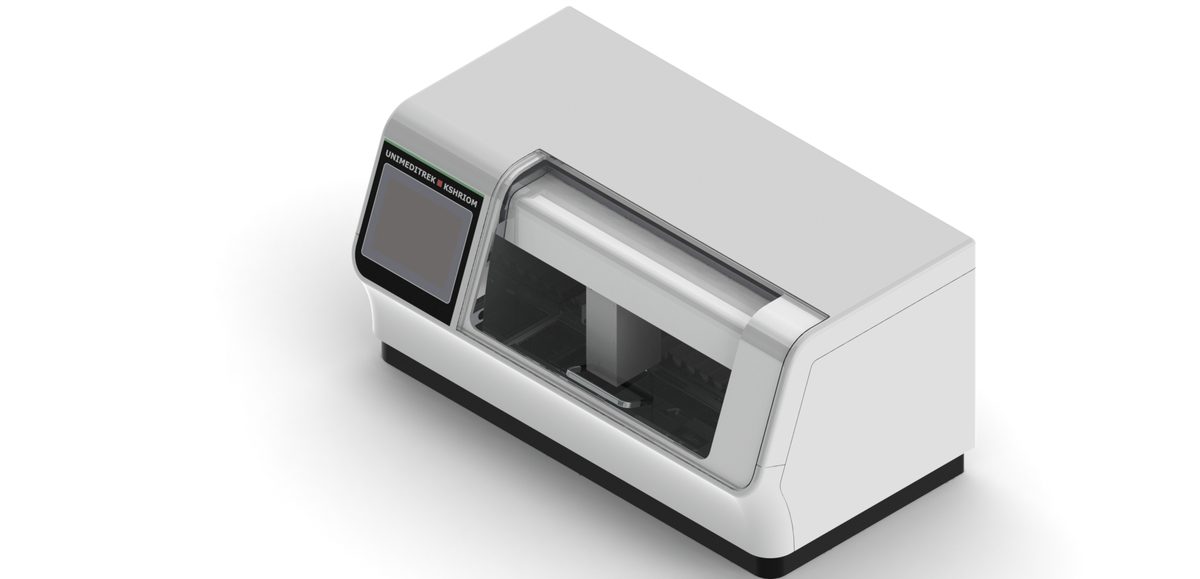
- Automatic Slide Staining Machine: Automating staining processes decreases the risk of spills and exposure to hazardous solvents.
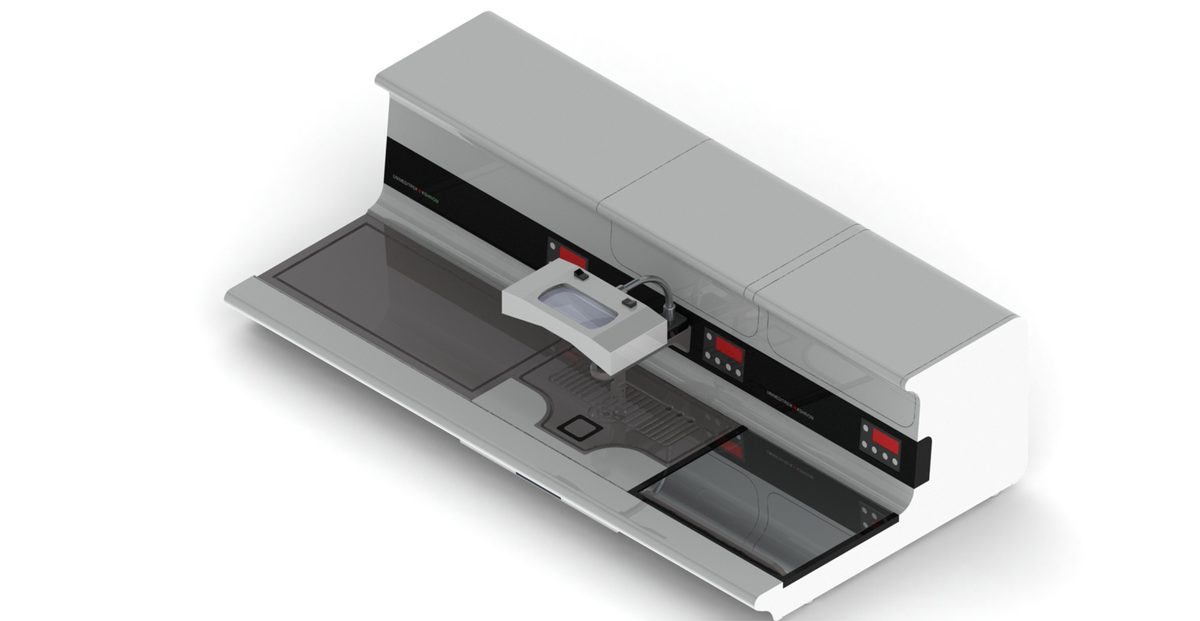
- Tissue Embedding Station: This station is designed with built-in fume extraction systems, ensuring a safer embedding process.
- Digital Tissue Floatation Bath: Offers precise temperature control, reducing the need for excessive solvent use.
- Slide Warming Table: Provides a controlled environment for slides, minimizing the use of harmful solvents.
- Cryostat Microtome: Allows for the preparation of frozen sections without the need for organic solvents, thus reducing fume exposure.
Training and Awareness
Regular training sessions on the safe handling of formalin and solvents should be conducted. Educate lab personnel on the proper use of equipment and emergency procedures in case of spills or exposure. A culture of safety awareness can significantly reduce the risk of accidents.
Practical Takeaway
Implementing robust fume management strategies and investing in modern histopathology equipment can greatly enhance lab safety. By prioritizing safety, labs can protect their personnel while ensuring high-quality diagnostic outcomes.
FAQs
What are the health risks associated with formalin exposure?
Formalin exposure can lead to respiratory issues, skin irritation, and long-term health problems, including cancer.
How can I improve fume management in my histopathology lab?
Implement adequate ventilation, use PPE, conduct regular air quality assessments, and invest in safety-focused equipment.
Prepared and reviewed by the Unimeditrek technical team based on laboratory practice, installation and service experience. This document explains histopathology workflow, laboratory practice and equipment based on the questions we hear from hospitals, medical colleges and diagnostic laboratories — vendor-neutral where it explains the science and practical where it explains equipment.
Prepared by Unimeditrek Pvt. Ltd.. For product specifications and quotations, contact our team.