Home › Knowledge › Embedding Ergonomics and Throughput: Choosing the Right Station
Knowledge articleEmbedding Ergonomics and Throughput: Choosing the Right Station
Cold-plate speed, module count and ergonomics decide how fast — and how comfortably — you embed.
The embedding station is where the pace and quality of your blocks are really set — and it's easy to under-spec because it looks like a simple hot-and-cold bench. Three things decide whether it helps or hinders a busy grossing room: cooling, capacity and comfort.
Cold-plate performance
Fast, deep cooling is what gives you firm, clean-cutting blocks and quick turnaround. A sluggish cold plate is a hidden bottleneck — the embedder ends up waiting on the wax to set.
Capacity for peak, not average
Size the heated reservoir and the number of dispensing and cold consoles to your team at its busiest. If two people are embedding at peak, one console will simply queue them.
Comfort over a whole shift
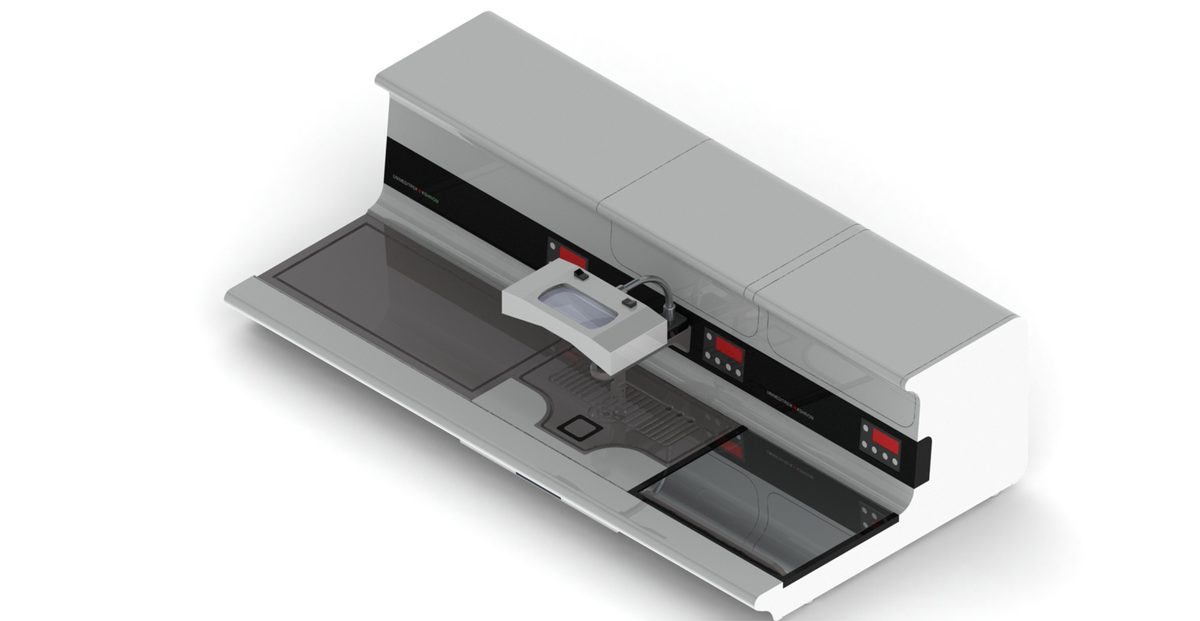
Embedding is repetitive, hands-on work for hours at a stretch. A heated work surface, a sensible layout and adjustable dispensing aren't luxuries — they're what keeps quality steady late in the day. See the tissue embedding station for how those come together.
FAQs
What matters most in an embedding station?
Cold-plate performance for firm blocks, enough modules for your team, and good ergonomics for all-day embedding.
Why do I get soft blocks?
Often an undersized or slow cold plate, or wax/temperature issues — a fast cold plate fixes most of it.
Prepared and reviewed by the Unimeditrek technical team based on laboratory practice, installation and service experience. This document explains histopathology workflow, laboratory practice and equipment based on the questions we hear from hospitals, medical colleges and diagnostic laboratories — vendor-neutral where it explains the science and practical where it explains equipment.
Prepared by Unimeditrek Pvt. Ltd.. For product specifications and quotations, contact our team.