Home › Knowledge › Choosing the Right Tissue Embedding Station for Your Lab
Knowledge articleChoosing the Right Tissue Embedding Station for Your Lab
A guide to optimizing your histopathology workflow
Understanding the Importance of Tissue Embedding
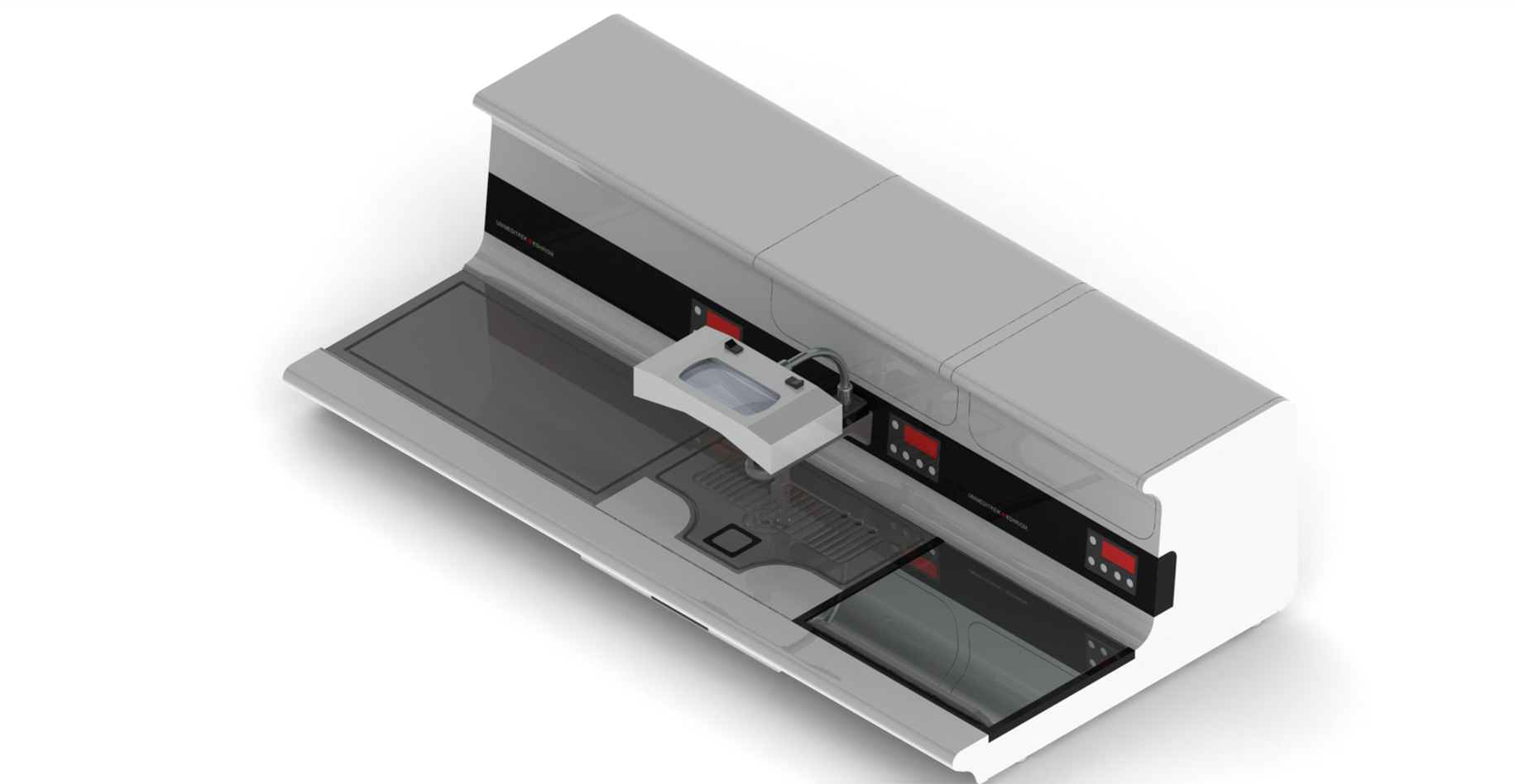
Tissue embedding is a crucial step in histopathology that directly influences the quality of microscopic analysis. This process involves infiltrating tissue samples with a medium, typically paraffin wax, to preserve their structure and allow for thin sectioning. A quality Tissue Embedding Station streamlines this process, ensuring consistency and reliability in sample preparation.
Key Features to Look for in a Tissue Embedding Station
When selecting a Tissue Embedding Station, consider the following features:
- Temperature Control: Accurate temperature settings are essential for proper infiltration and embedding of tissues. Look for stations with adjustable heating zones.
- Ease of Use: A user-friendly interface can significantly reduce training time and enhance workflow efficiency. Opt for models with intuitive controls.
- Capacity: Assess the volume of samples your lab processes daily. Choose a station that can accommodate your workload without compromising on quality.
- Safety Features: Ensure the device has safety mechanisms to prevent overheating and accidents during operation.
Maximizing Efficiency with Your Tissue Embedding Station
Once you've selected the right Tissue Embedding Station, it's crucial to utilize it effectively:
- Regular Maintenance: Schedule routine checks and cleaning of the embedding station to maintain optimal performance and longevity.
- Training Staff: Invest time in training your lab personnel on the operation of the embedding station. Familiarity with the equipment leads to better results.
- Standard Operating Procedures: Develop and implement SOPs for tissue embedding to ensure consistency across samples and operators.
Common Challenges and Solutions
While using a Tissue Embedding Station, labs may encounter several challenges:
- Inconsistent Embedding: This can result from improper temperature settings or insufficient infiltration time. Regularly calibrate the device and follow manufacturer guidelines.
- Sample Contamination: Ensure that all tools and materials used in the embedding process are sterile and handled with care to prevent contamination.
- Training Gaps: Continuous education on new techniques and updates to equipment can help mitigate errors and enhance productivity.
Conclusion: Making the Right Choice
Choosing the right Tissue Embedding Station is a critical decision that can significantly impact your histopathology lab's efficiency and output quality. By considering essential features, maximizing the use of the equipment, and addressing common challenges, you can enhance your tissue embedding process and ensure accurate diagnostic results.
FAQs
What is a Tissue Embedding Station?
A Tissue Embedding Station is a laboratory equipment used to infiltrate and embed tissue samples in a medium, typically paraffin wax, for histopathological analysis.
How can I ensure the best results from my Tissue Embedding Station?
Ensure regular maintenance, train your staff adequately, and develop standard operating procedures to maximize the effectiveness of your Tissue Embedding Station.
This document has been prepared and reviewed by the Unimeditrek technical team based on histopathology workflow, laboratory practice, installation and service experience, and questions we hear from hospitals, medical colleges and diagnostic laboratories. It is vendor-neutral where it explains the science and practical where it explains equipment.
Prepared by Unimeditrek Pvt. Ltd.. For product specifications and quotations, contact our team.