Home › Knowledge › Choosing the Right Tissue Embedding Station for Your Lab
Knowledge articleChoosing the Right Tissue Embedding Station for Your Lab
A guide to selecting and maximizing your embedding station
Understanding the Importance of Tissue Embedding
Tissue embedding is a crucial step in histopathology that allows for the preservation and preparation of tissue samples for microscopic examination. Proper embedding ensures that samples are adequately supported, facilitating accurate sectioning and staining. This process is vital for accurate diagnosis and research in various medical fields.
Key Features to Consider When Selecting a Tissue Embedding Station
When choosing a Tissue Embedding Station, several features can significantly impact your lab's workflow:
- Temperature Control: Look for an embedding station with precise temperature control to maintain optimal paraffin conditions, crucial for sample integrity.
- Capacity: Consider the number of samples you typically process. Choose a station that can accommodate your workload without compromising efficiency.
- Ease of Use: An intuitive interface and user-friendly design will reduce training time and enhance productivity.
- Maintenance and Support: Ensure that the manufacturer offers reliable support and easy maintenance options to minimize downtime.
Maximizing the Efficiency of Your Tissue Embedding Station
Once you've selected the right Tissue Embedding Station, here are some tips to maximize its efficiency:
- Regular Calibration: Regularly calibrate your equipment to ensure accurate temperature settings and optimal performance.
- Train Your Staff: Provide comprehensive training for your technicians to ensure they are proficient in using the station, which can lead to better sample quality.
- Optimize Workflow: Organize your embedding process to minimize delays. For instance, prepare samples in batches to streamline operations.
- Implement Quality Control: Regularly check the quality of the embedded samples to identify any issues early in the process.
Common Challenges and Solutions
Even with the best equipment, labs may face challenges during the embedding process. Here are some common issues and their solutions:
- Inconsistent Temperature: If you notice fluctuations in temperature, ensure that the station is placed in a stable environment away from drafts or direct sunlight.
- Sample Distortion: To prevent distortion, ensure that the embedding medium is adequately heated before use, allowing for better penetration.
- Time Management: To optimize time, schedule embedding sessions during off-peak hours when the lab is less busy.
Conclusion
Choosing the right Tissue Embedding Station is essential for enhancing your histopathology workflow. By considering key features and implementing best practices, you can ensure that your lab operates efficiently and produces high-quality samples for diagnosis and research.
FAQs
What is a Tissue Embedding Station?
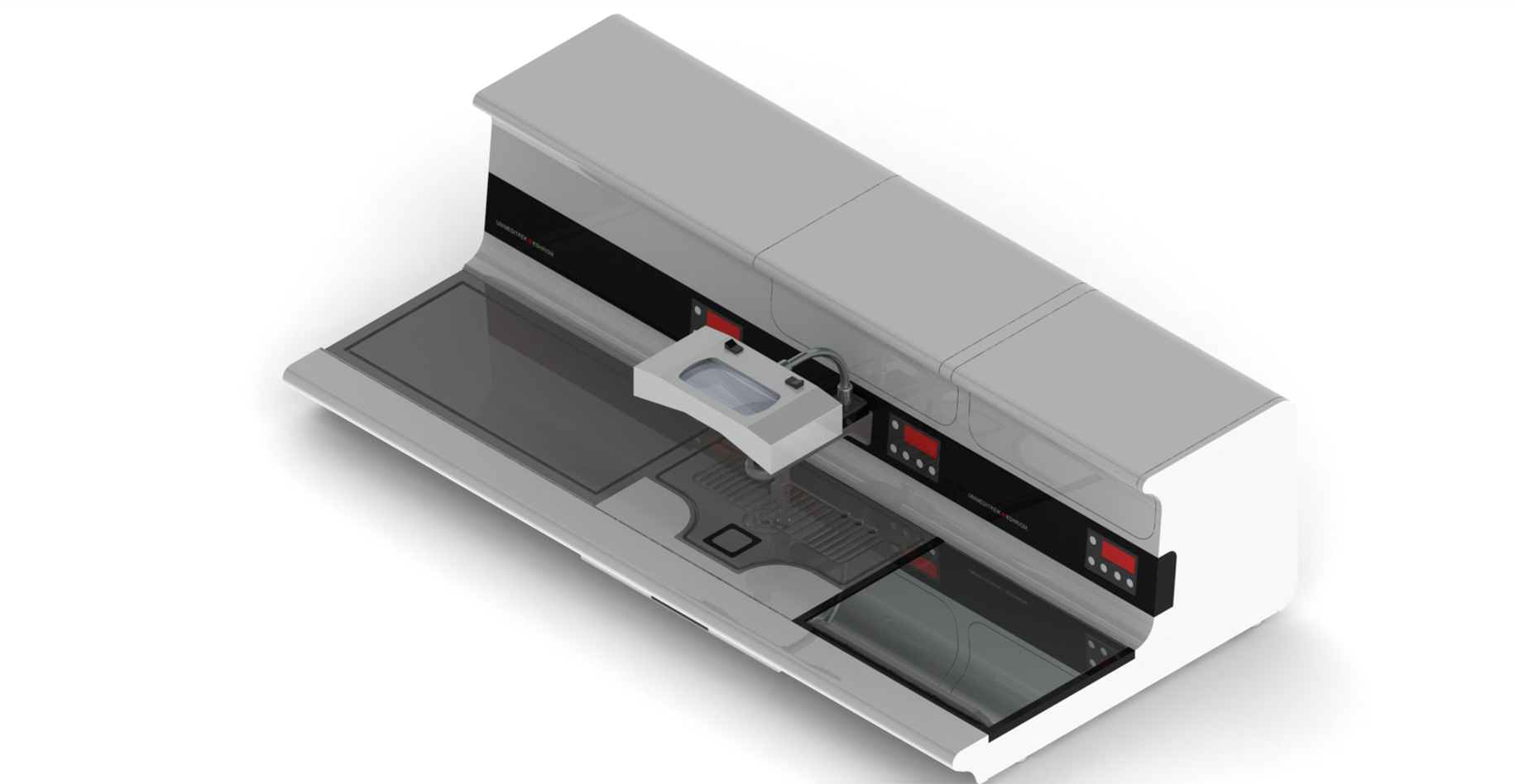
A Tissue Embedding Station is an essential piece of equipment in histopathology that facilitates the process of embedding tissue samples in paraffin for microscopic examination.
How can I ensure my Tissue Embedding Station is maintained properly?
Regular calibration, cleaning, and following the manufacturer's maintenance guidelines are crucial for ensuring the longevity and efficiency of your Tissue Embedding Station.
This document has been prepared and reviewed by the Unimeditrek technical team based on histopathology workflow, laboratory practice, installation and service experience, and questions we hear from hospitals, medical colleges and diagnostic laboratories. It is vendor-neutral where it explains the science and practical where it explains equipment.
Prepared by Unimeditrek Pvt. Ltd.. For product specifications and quotations, contact our team.