Home › Knowledge › Choosing the Best Automatic Tissue Processor for Labs
Knowledge articleChoosing the Best Automatic Tissue Processor for Labs
A Guide to Optimal Selection and Utilization
Understanding the Importance of an Automatic Tissue Processor
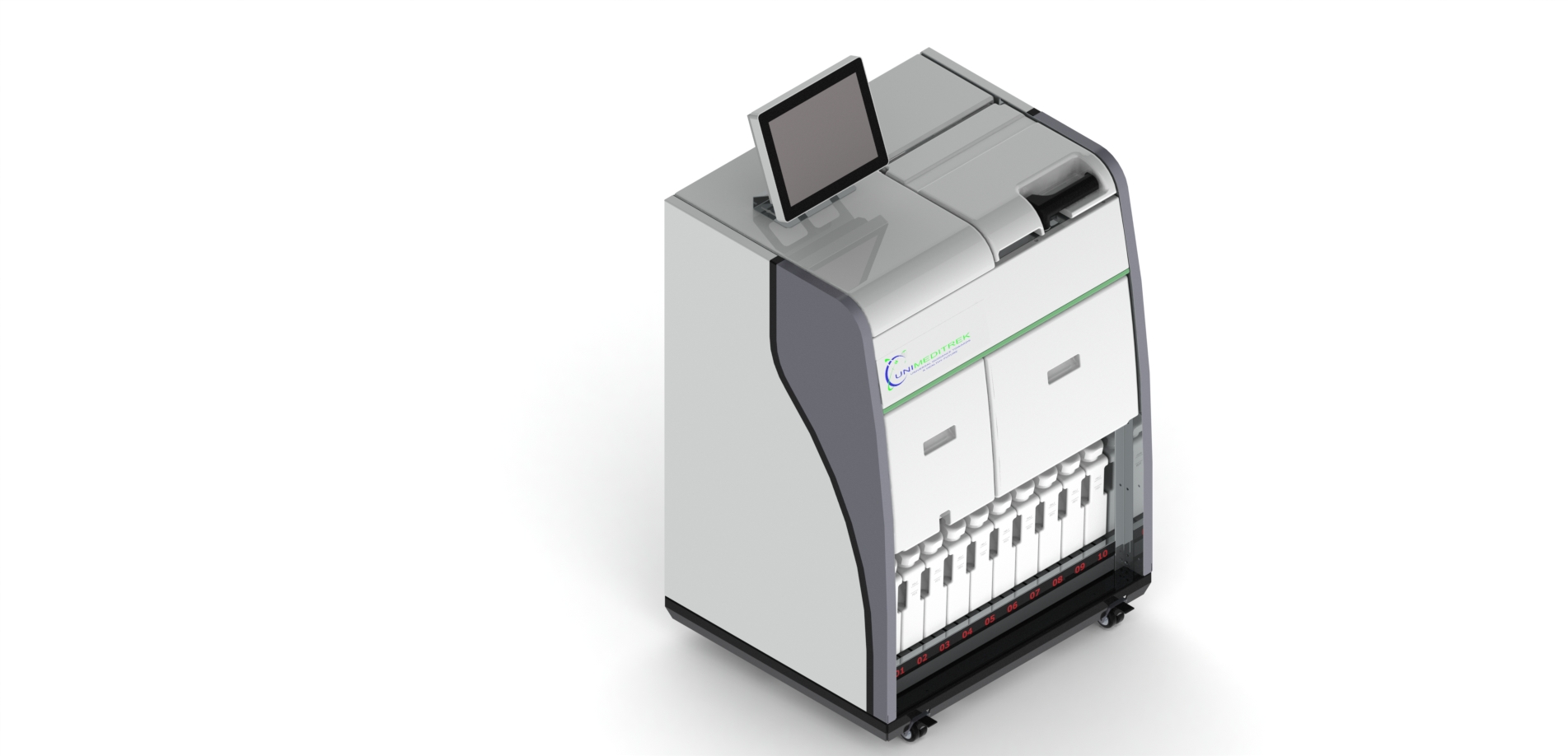
An Automatic Tissue Processor (ATP) is a vital piece of equipment in histopathology laboratories, streamlining the preparation of tissue samples for microscopic examination. By automating the dehydration, clearing, and infiltration processes, ATPs enhance efficiency, reduce human error, and ensure consistency in sample preparation.
Key Features to Consider When Choosing an ATP
- Capacity: Assess the volume of samples your lab processes daily. Choose an ATP that can handle your workload without compromising quality.
- Speed and Efficiency: Look for processors with customizable cycles that can adapt to various tissue types, ensuring timely results.
- Ease of Use: An intuitive interface allows for smoother operation, reducing the training time for staff and minimizing errors.
- Maintenance and Support: Opt for a manufacturer that offers reliable customer support and easy access to replacement parts for seamless maintenance.
- Safety Features: Ensure the ATP has built-in safety protocols, such as fume extraction systems, to protect lab personnel from hazardous materials.
Maximizing the Efficiency of Your Automatic Tissue Processor
Once you have selected the right ATP for your lab, it’s essential to maximize its capabilities. Here are some practical tips:
- Standardize Protocols: Develop and document standardized protocols for tissue processing to ensure consistent results across all samples.
- Regular Calibration: Schedule regular maintenance and calibration checks to keep the ATP functioning optimally and to avoid unexpected downtimes.
- Train Staff: Invest in comprehensive training for all lab personnel to ensure they are proficient in using the ATP and understanding its features.
- Monitor Performance: Keep track of processing times and sample quality to identify any areas needing improvement.
Integrating the ATP into Your Workflow
Integrating the Automatic Tissue Processor into your existing laboratory workflow requires careful planning. Consider the following steps:
- Assess Current Processes: Evaluate your current tissue processing methods to identify bottlenecks that the ATP can resolve.
- Collaborate with Staff: Engage your team in the transition process to gather insights and foster a sense of ownership.
- Implement Gradually: If possible, introduce the ATP in phases, allowing staff to adjust to the new system without overwhelming them.
Conclusion
Choosing the right Automatic Tissue Processor can significantly enhance the efficiency and accuracy of your histopathology lab. By considering the key features, maximizing its capabilities, and integrating it smoothly into your workflow, you can ensure that your lab remains at the forefront of histopathological analysis.
FAQs
What is an Automatic Tissue Processor used for?
An Automatic Tissue Processor is used in histopathology labs to automate the preparation of tissue samples for microscopic examination, improving efficiency and consistency.
How do I maintain my Automatic Tissue Processor?
Regular maintenance includes calibration, cleaning, and ensuring that all components are functioning properly. It's also important to follow the manufacturer's guidelines for upkeep.
This document has been prepared and reviewed by the Unimeditrek technical team based on histopathology workflow, laboratory practice, installation and service experience, and questions we hear from hospitals, medical colleges and diagnostic laboratories. It is vendor-neutral where it explains the science and practical where it explains equipment.
Prepared by Unimeditrek Pvt. Ltd.. For product specifications and quotations, contact our team.