Home › Knowledge › Choosing the Best Automatic Tissue Processor for Labs
Knowledge articleChoosing the Best Automatic Tissue Processor for Labs
Maximize efficiency in histopathology
Understanding the Importance of an Automatic Tissue Processor
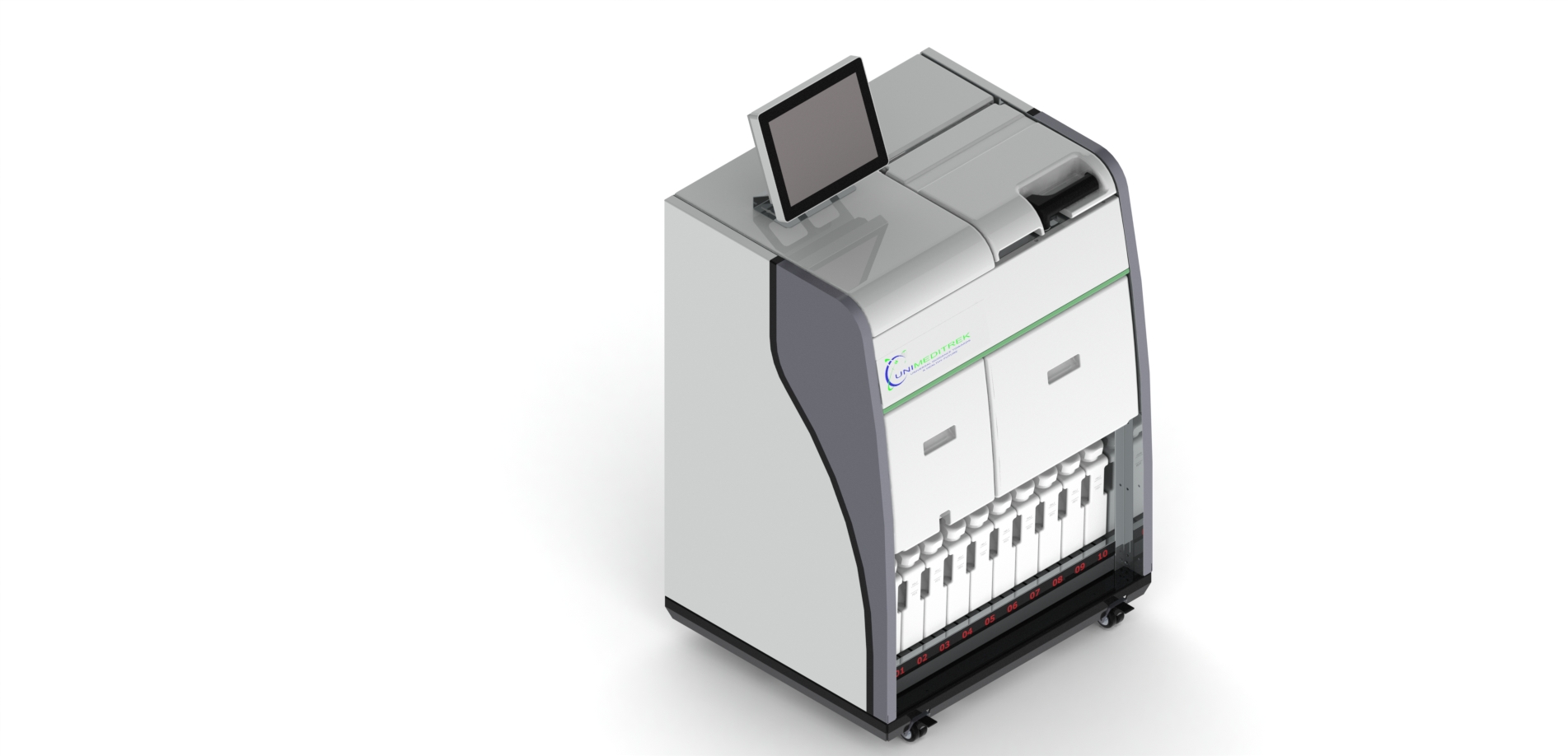
An Automatic Tissue Processor (ATP) is a vital piece of equipment in histopathology labs, streamlining the process of tissue preparation for microscopic examination. By automating the fixation, dehydration, clearing, and infiltration stages, ATPs significantly reduce human error and enhance reproducibility in tissue processing.
Key Features to Consider When Choosing an ATP
- Capacity: Evaluate the volume of samples your lab processes daily. Choose an ATP that can handle your workload without compromising speed or quality.
- Automation Level: Look for processors that offer programmable cycles, allowing for customization based on specific tissue types or protocols.
- Ease of Use: User-friendly interfaces and clear instructions are essential for efficient operation, especially in a busy lab environment.
- Maintenance and Support: Consider manufacturers that provide excellent customer service, training, and easy access to spare parts for ongoing maintenance.
Integrating the ATP into Your Workflow
Once you have chosen the right Automatic Tissue Processor, integration into your existing workflow is crucial. Begin by training your staff on the specific functions and features of the equipment. Establish standard operating procedures (SOPs) to ensure consistency and reliability in tissue processing.
Maximizing Efficiency and Quality
To get the best results from your ATP, regularly calibrate and maintain the equipment according to the manufacturer's guidelines. Schedule routine checks and cleanings to prevent cross-contamination and ensure optimal performance. Additionally, keep a log of processing times and outcomes to identify any trends or areas for improvement.
Conclusion and Practical Takeaway
The right Automatic Tissue Processor can transform your histopathology lab, improving efficiency and accuracy. By carefully selecting an ATP that meets your specific needs and implementing best practices for its use, you can enhance your lab's capabilities and ensure high-quality results.
FAQs
What is the role of an Automatic Tissue Processor in histopathology?
An Automatic Tissue Processor automates the preparation of tissue samples, improving efficiency and reducing human error during the fixation, dehydration, clearing, and infiltration stages.
How can I ensure the longevity of my Automatic Tissue Processor?
Regular maintenance, calibration, and adherence to manufacturer guidelines will help ensure the longevity and optimal performance of your Automatic Tissue Processor.
This document has been prepared and reviewed by the Unimeditrek technical team based on histopathology workflow, laboratory practice, installation and service experience, and questions we hear from hospitals, medical colleges and diagnostic laboratories. It is vendor-neutral where it explains the science and practical where it explains equipment.
Prepared by Unimeditrek Pvt. Ltd.. For product specifications and quotations, contact our team.