Home › Knowledge › Choosing the Best Automatic Tissue Processor for Labs
Knowledge articleChoosing the Best Automatic Tissue Processor for Labs
Maximize efficiency with the right equipment
Understanding the Importance of Automatic Tissue Processors
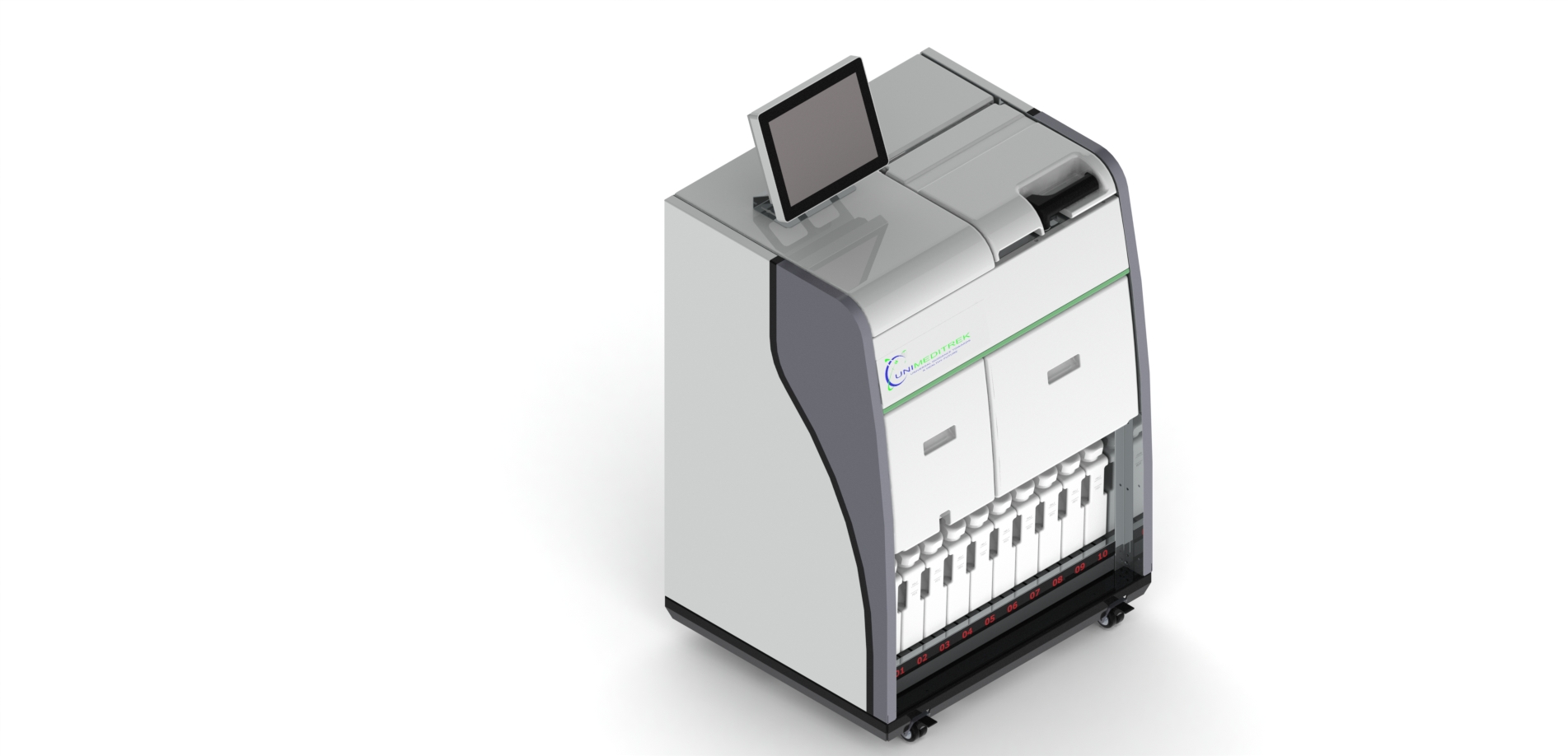
In histopathology, the processing of tissue samples is a critical step that influences the quality of diagnostic results. Automatic Tissue Processors (ATP) streamline this process, ensuring consistent and reproducible results while reducing the manual workload on laboratory technicians. By automating the dehydration, clearing, and infiltration of tissue samples, these devices not only save time but also minimize human error.
Key Features to Consider
When selecting an Automatic Tissue Processor, several features should be prioritized to meet your laboratory's specific needs:
- Capacity: Choose a processor with the capacity that matches your lab's volume of samples. A larger capacity can handle more specimens simultaneously, improving efficiency.
- Processing Time: Evaluate the speed of the processor. Faster processing times can significantly enhance workflow, especially in high-throughput labs.
- Programmability: A good ATP should offer customizable programs that cater to various tissue types and processing protocols, allowing for flexibility in handling different specimens.
- Safety Features: Look for processors with safety mechanisms to prevent accidents involving hazardous chemicals, ensuring a safe working environment for lab personnel.
- Maintenance and Support: Consider the manufacturer's support services, including training, maintenance, and availability of spare parts.
Optimizing the Use of Your Automatic Tissue Processor
Once you have selected the right ATP, maximizing its efficiency involves proper usage and maintenance:
- Training Staff: Ensure that all laboratory personnel are adequately trained in operating the ATP. This includes understanding the software, loading samples correctly, and troubleshooting common issues.
- Regular Maintenance: Schedule routine maintenance checks to keep the processor in optimal condition. This includes cleaning, software updates, and inspections of mechanical parts.
- Standard Operating Procedures (SOPs): Develop and implement SOPs for using the ATP, which can help in maintaining consistency in processing and ensure compliance with laboratory standards.
- Feedback Loop: Create a feedback mechanism where staff can report any issues or suggest improvements regarding the ATP's performance, fostering a culture of continuous improvement.
Cost Considerations
Investing in an Automatic Tissue Processor can be a significant financial commitment for a laboratory. However, it is essential to view this as an investment in quality and efficiency. While the initial purchase price is crucial, consider the long-term savings in labor costs, improved turnaround times, and enhanced diagnostic accuracy. Additionally, explore financing options or government grants that may be available to support laboratories in acquiring advanced equipment.
Conclusion
Choosing and optimizing an Automatic Tissue Processor is vital for any histopathology lab aiming to improve its workflow and diagnostic capabilities. By understanding the key features, ensuring proper training, and maintaining the equipment, laboratories can significantly enhance their efficiency and output quality.
FAQs
What is an Automatic Tissue Processor?
An Automatic Tissue Processor is a device that automates the processing of tissue samples, including dehydration, clearing, and infiltration, to prepare them for histological examination.
How can I ensure my staff is trained to use the ATP effectively?
Provide comprehensive training sessions that cover the operation, maintenance, and troubleshooting of the ATP, and consider ongoing education as new features or updates are released.
This document has been prepared and reviewed by the Unimeditrek technical team based on histopathology workflow, laboratory practice, installation and service experience, and questions we hear from hospitals, medical colleges and diagnostic laboratories. It is vendor-neutral where it explains the science and practical where it explains equipment.
Prepared by Unimeditrek Pvt. Ltd.. For product specifications and quotations, contact our team.