Home › Knowledge › Automatic vs Manual Tissue Processing: Total Cost of Ownership
White paperAutomatic vs Manual Tissue Processing: Total Cost of Ownership
A Comprehensive Analysis for Histopathology Labs
Introduction
Tissue processing is a critical step in histopathology that influences the quality of diagnostic outcomes. Laboratories often face a choice between automatic and manual tissue processing methods. Understanding the total cost of ownership (TCO) for each method is essential for making informed decisions that align with operational goals.
Understanding Total Cost of Ownership
Total Cost of Ownership encompasses not just the initial purchase price of equipment but also the ongoing costs associated with operation, maintenance, and labor. When evaluating automatic versus manual tissue processing, consider the following factors:
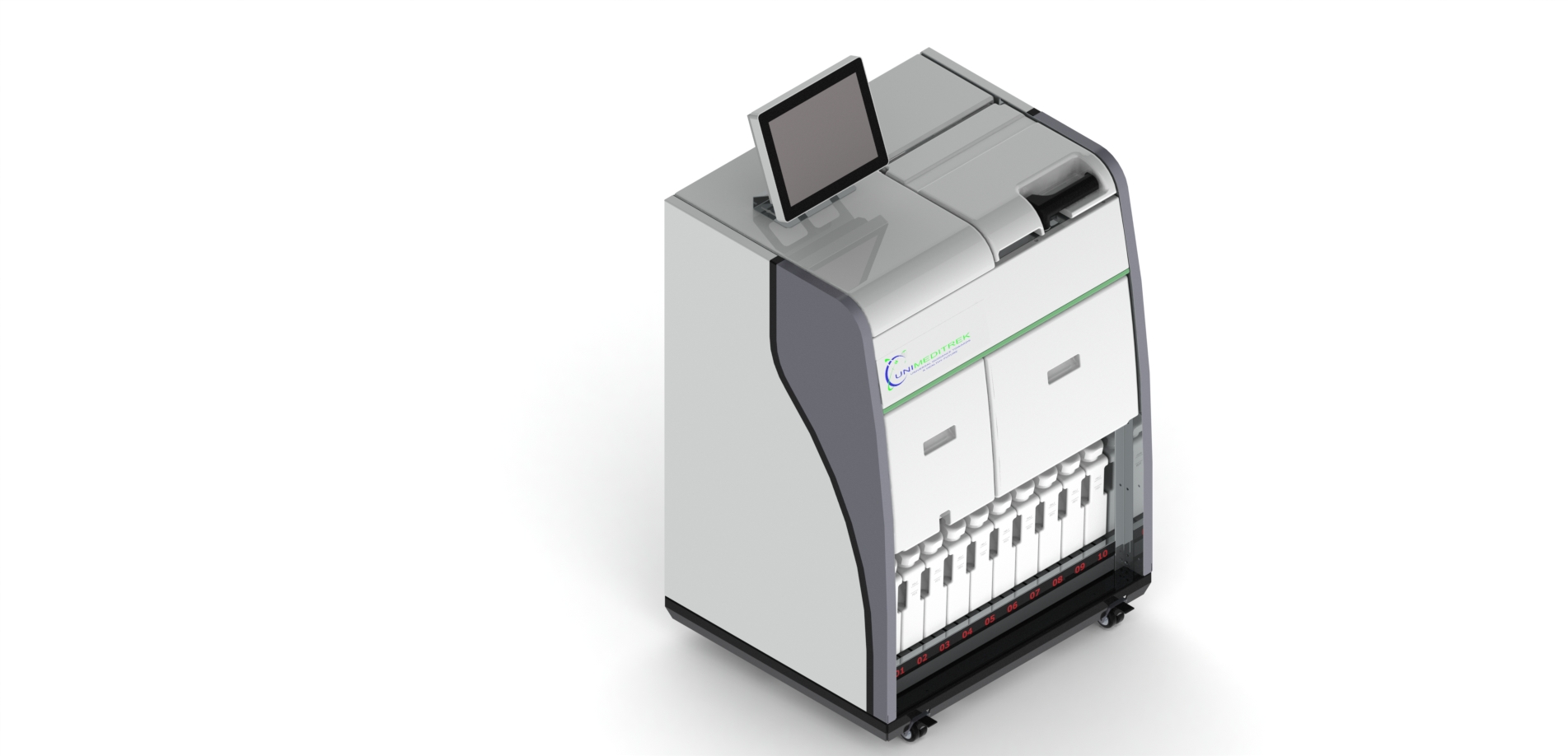
- Initial Investment: Automatic systems like the Automatic Vacuum Tissue Processor and Automatic Slide Staining Machine typically require a higher upfront investment compared to manual methods.
- Labor Costs: Manual processing often demands more skilled personnel and time, leading to higher labor costs over time.
- Operational Efficiency: Automated systems streamline workflows, reducing processing time and increasing throughput, which can significantly enhance productivity.
- Maintenance and Downtime: While automatic systems may incur costs for maintenance, they often have lower downtime compared to manual methods that rely on human intervention.
Comparative Analysis of Equipment
When considering equipment for tissue processing, it is crucial to evaluate how each piece contributes to the overall cost and efficiency:
- Automatic Vacuum Tissue Processor: This equipment automates the infiltration and embedding processes, minimizing human error and ensuring consistent results.
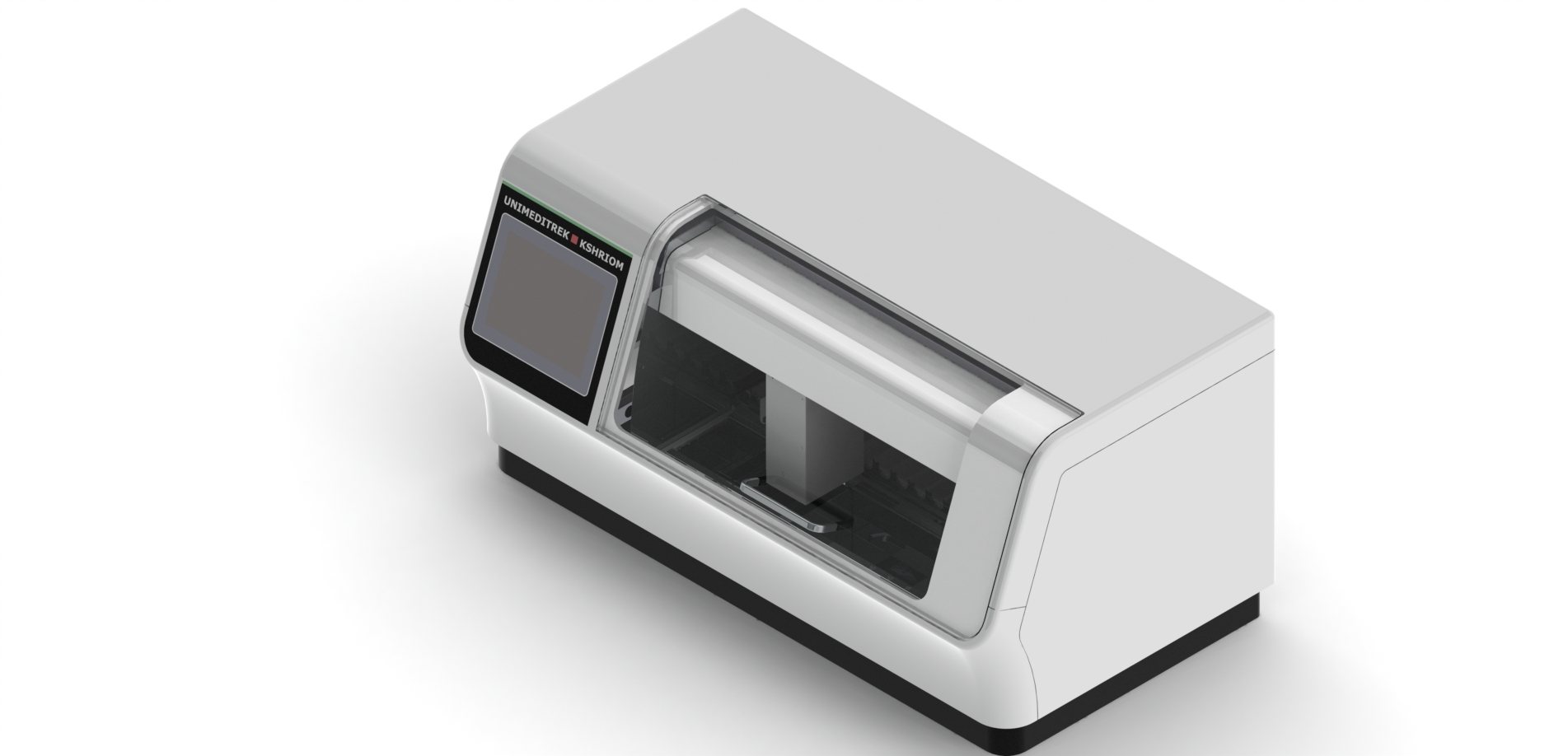
- Automatic Slide Staining Machine: Automating staining processes saves time and reduces variability, ensuring reliable staining results.
- Tissue Embedding Station: Essential for embedding processed tissues, it works in tandem with automatic processors for seamless workflow integration.
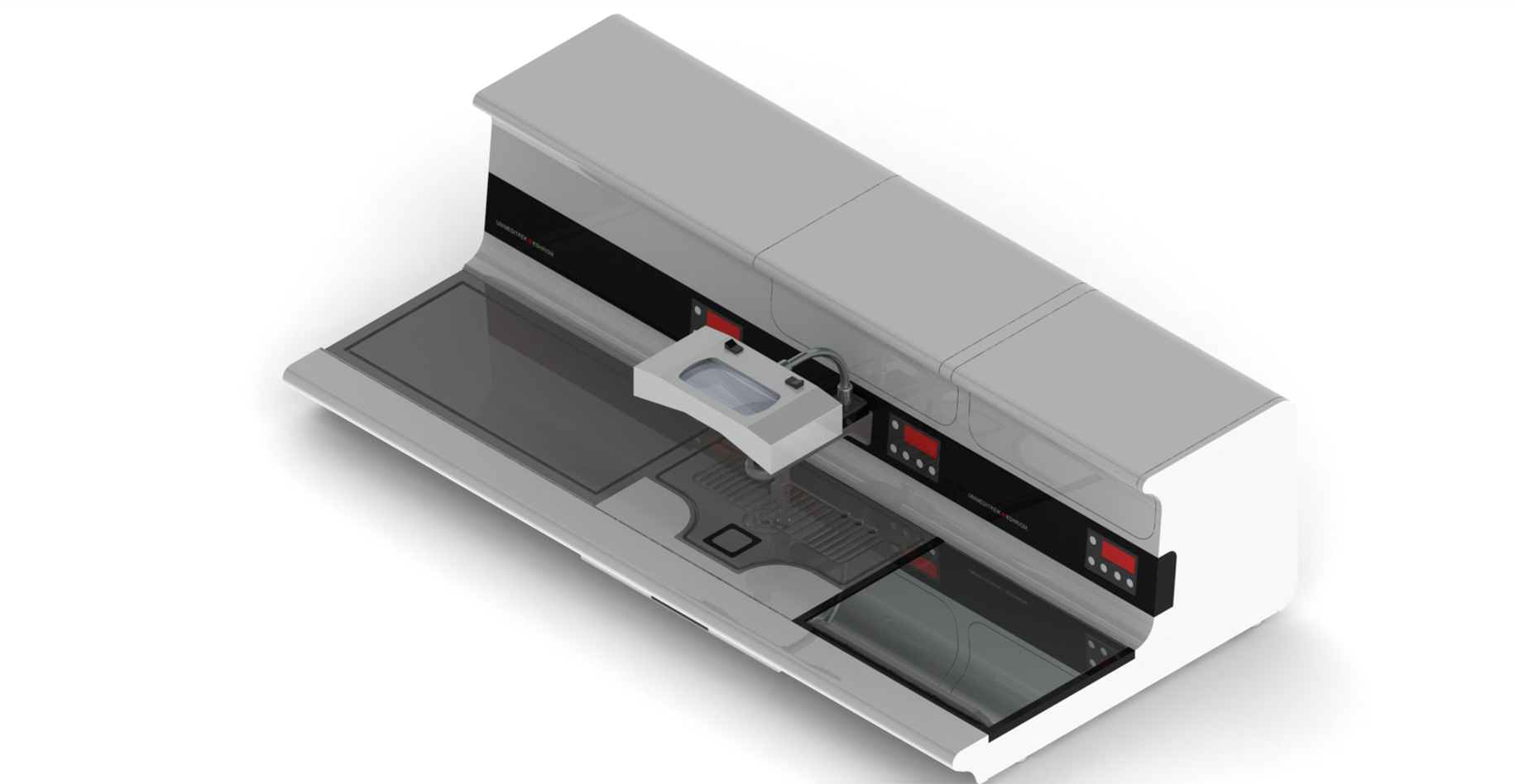
- Digital Tissue Floatation Bath: This device enhances the quality of tissue sections, reducing the need for reprocessing.
- Slide Warming Table: Ensures optimal conditions for slide preparation, contributing to overall efficiency.
- Cryostat Microtome: While not directly related to processing, its integration into the workflow complements automated systems by providing precise sectioning.
Long-term Benefits of Automation
Investing in automatic tissue processing equipment can lead to significant long-term savings. Automation not only reduces labor costs but also enhances reproducibility and accuracy, which are critical for diagnostic reliability. As the demand for high-quality histopathology services continues to rise, automation becomes a strategic advantage.
Conclusion and Practical Takeaway
In conclusion, while the initial investment in automatic tissue processing equipment may be higher, the long-term benefits in terms of efficiency, reduced labor costs, and improved diagnostic reliability make it a worthwhile consideration for histopathology labs. Evaluating the total cost of ownership allows laboratories to make informed decisions that align with their operational goals and improve overall service delivery.
FAQs
What are the main differences between automatic and manual tissue processing?
Automatic tissue processing typically offers higher efficiency, reduced labor costs, and consistent results compared to manual methods.
How can automation impact the quality of histopathology results?
Automation reduces human error and variability in processing, leading to more reliable and reproducible histopathology results.
This document has been prepared and reviewed by the Unimeditrek technical team based on histopathology workflow, laboratory practice, installation and service experience, and questions we hear from hospitals, medical colleges and diagnostic laboratories. It is vendor-neutral where it explains the science and practical where it explains equipment.
Prepared by Unimeditrek Pvt. Ltd.. For product specifications and quotations, contact our team.