Home › Knowledge › Automatic Tissue Processor Enhances Efficiency in Indian Lab
Case studyAutomatic Tissue Processor Enhances Efficiency in Indian Lab
A case study on improved histopathology workflows
Introduction to the Case Study
In a prominent medical college in India, the histopathology department faced significant challenges in processing tissue samples efficiently. The manual processing methods were time-consuming and prone to errors, leading to delays in diagnosis and treatment. To address these issues, the department decided to adopt the Automatic Tissue Processor, a state-of-the-art solution designed to enhance laboratory workflows.
Challenges Faced by the Department
The histopathology team was struggling with a high volume of samples, especially during peak periods. Manual processing involved multiple steps such as fixation, dehydration, clearing, and infiltration, which not only required substantial labor but also increased the risk of human error. As a result, turnaround times for biopsy results were extended, affecting patient management and satisfaction.
Implementation of the Automatic Tissue Processor
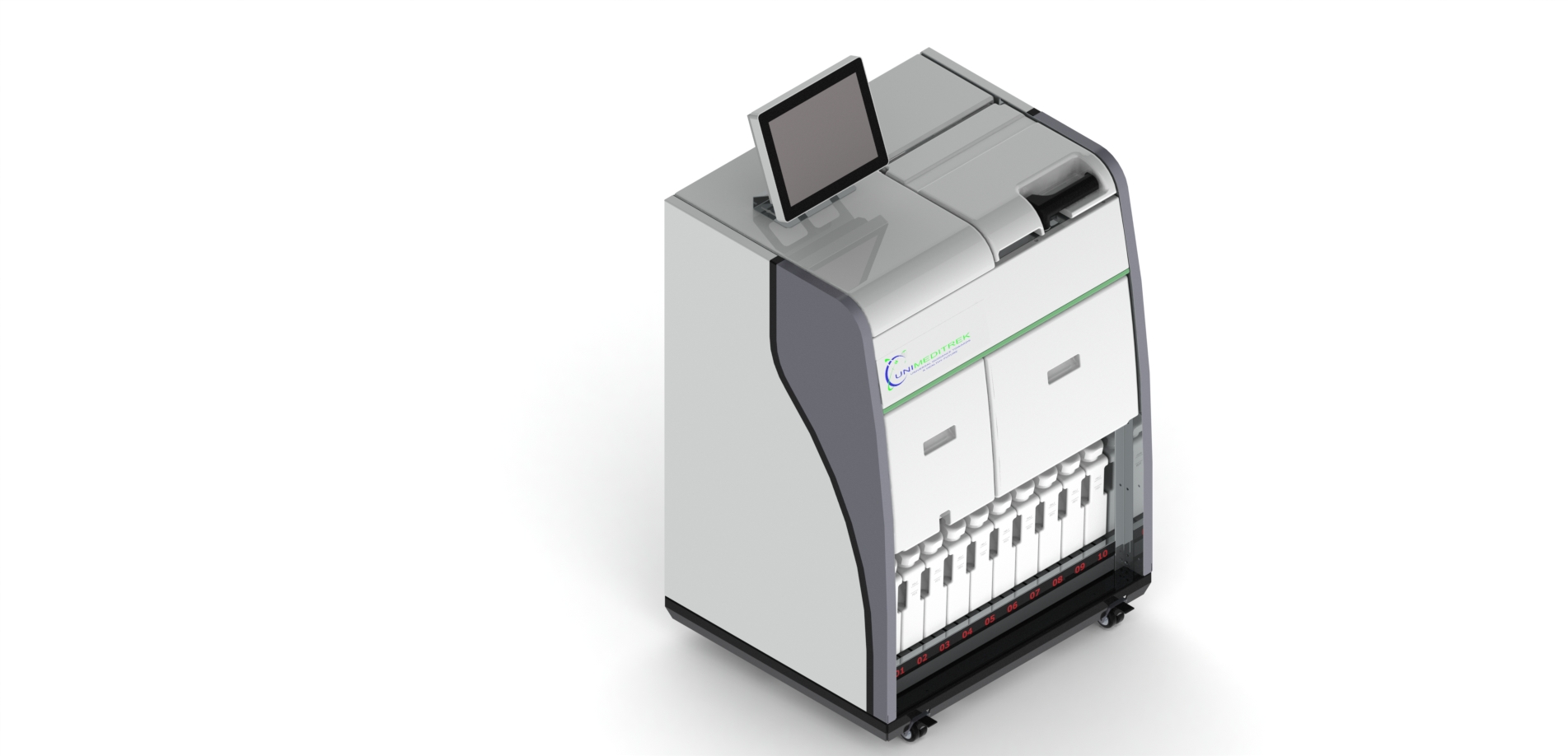
After thorough research and evaluation, the department chose Unimeditrek's Automatic Tissue Processor for its user-friendly interface and reliability. The installation process was seamless, with the Unimeditrek team providing comprehensive training to the laboratory staff. Within a few weeks, the team was well-versed in operating the new equipment, which allowed them to start processing samples with greater efficiency.
Outcomes and Benefits
Post-implementation, the department experienced a remarkable transformation in its histopathology processes. The Automatic Tissue Processor significantly reduced the time taken for tissue processing from several hours to less than two hours. This efficiency not only expedited the diagnosis but also allowed the department to handle a higher volume of samples without compromising quality. Moreover, the standardized processing reduced variability, leading to more consistent and reliable results.
Additionally, the automation of routine tasks freed up valuable time for histopathologists, allowing them to focus on more complex cases and enhance their diagnostic capabilities. The department reported an increase in overall productivity and a notable improvement in patient satisfaction due to faster turnaround times.
Conclusion and Practical Takeaway
The adoption of the Automatic Tissue Processor at the medical college not only streamlined the histopathology workflow but also improved the overall quality of patient care. This case study illustrates the importance of investing in advanced laboratory equipment to enhance operational efficiency. For other labs facing similar challenges, considering automation solutions like the Automatic Tissue Processor can lead to significant improvements in processing times, accuracy, and ultimately, patient outcomes.
FAQs
What is an Automatic Tissue Processor?
An Automatic Tissue Processor is a laboratory device that automates the process of preparing tissue samples for histopathological examination, improving efficiency and accuracy.
How does it benefit histopathology labs?
It reduces processing time, minimizes human error, and allows for higher sample throughput, leading to quicker diagnoses and improved patient care.
This document has been prepared and reviewed by the Unimeditrek technical team based on histopathology workflow, laboratory practice, installation and service experience, and questions we hear from hospitals, medical colleges and diagnostic laboratories. It is vendor-neutral where it explains the science and practical where it explains equipment.
Prepared by Unimeditrek Pvt. Ltd.. For product specifications and quotations, contact our team.