Home › Knowledge › Automatic Tissue Processor: Daily Use in Histopathology Labs
Use caseAutomatic Tissue Processor: Daily Use in Histopathology Labs
Streamlining Tissue Processing for Enhanced Efficiency
Introduction to the Automatic Tissue Processor
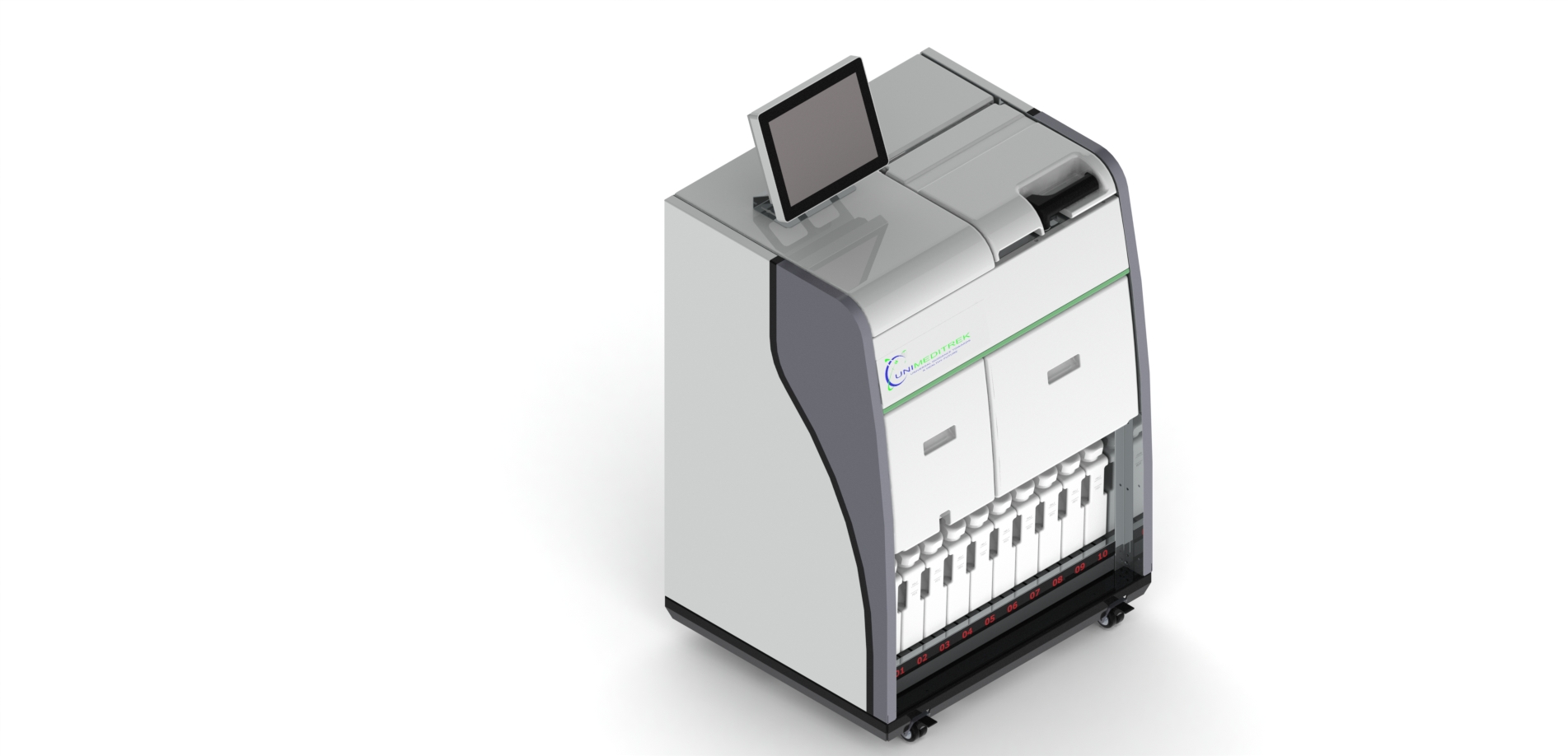
The Automatic Tissue Processor (ATP) is an essential piece of equipment in histopathology laboratories, designed to automate the processing of biological tissue specimens. In India, where the demand for accurate and timely diagnosis is on the rise, the ATP significantly reduces the manual labor involved in tissue preparation while enhancing the quality of the results.
Daily Workflow in a Histopathology Lab
In a typical day at a histopathology lab, the ATP plays a crucial role in the workflow. After a surgical procedure, tissue samples are collected and preserved in formalin. The first step involves placing these specimens in the ATP, which facilitates the dehydration, clearing, and infiltration processes required for embedding tissues in paraffin wax.
Step-by-Step Processing
- Dehydration: The ATP uses a series of alcohol solutions to remove water from the tissues, ensuring that the samples are adequately dehydrated.
- Clearing: The next phase involves clearing agents like xylene, which help to eliminate the alcohol and prepare the tissues for paraffin infiltration.
- Infiltration: Finally, the ATP infuses the tissues with melted paraffin wax, preserving their structure and making them ready for sectioning.
Advantages of Using the Automatic Tissue Processor
The ATP offers numerous advantages that enhance the efficiency and reliability of histopathological evaluations. Here are some key benefits:
- Consistency: The ATP provides uniform processing times and temperatures, ensuring that all samples are treated equally, which is crucial for reliable diagnostic outcomes.
- Time-Saving: By automating the processing steps, the ATP significantly reduces the time technicians spend on manual procedures, allowing them to focus on more complex tasks.
- Reduced Human Error: Automation minimizes the risk of human error, leading to higher quality results and fewer repeat processes.
Case Study: A Day in the Life of a Histopathology Technician
Consider a busy histopathology lab in Mumbai. Each day, technicians receive numerous tissue samples from various medical facilities. Upon arrival, the samples are logged and prepared for processing. Using the ATP, technicians can load multiple samples at once, setting the machine to run overnight. By morning, the samples are completely processed and ready for embedding, significantly speeding up the workflow.
Quality Control
After processing, the technician conducts a quality check on the paraffin blocks. Thanks to the ATP’s precise control over processing conditions, the tissues maintain their morphology, providing pathologists with high-quality sections for diagnosis.
Conclusion and Practical Takeaway
The Automatic Tissue Processor is a vital tool in the histopathology lab that enhances efficiency, consistency, and accuracy in tissue processing. By integrating this advanced equipment into their daily operations, labs can ensure timely and reliable diagnostic services, ultimately improving patient outcomes.
FAQs
What is the role of an Automatic Tissue Processor in histopathology?
The ATP automates the processing of tissue samples, enhancing efficiency and consistency in preparing specimens for diagnosis.
How does the ATP improve workflow in a histopathology lab?
By automating dehydration, clearing, and infiltration processes, the ATP saves time and reduces the potential for human error.
Prepared and reviewed by the Unimeditrek technical team based on laboratory practice, installation and service experience. This document explains histopathology workflow, laboratory practice and equipment based on the questions we hear from hospitals, medical colleges and diagnostic laboratories — vendor-neutral where it explains the science and practical where it explains equipment.
Prepared by Unimeditrek Pvt. Ltd.. For product specifications and quotations, contact our team.