Home › Knowledge › Tissue Embedding Station: A Day in the Lab
Use caseTissue Embedding Station: A Day in the Lab
Streamlining Histopathology Workflows
Introduction to Tissue Embedding Stations
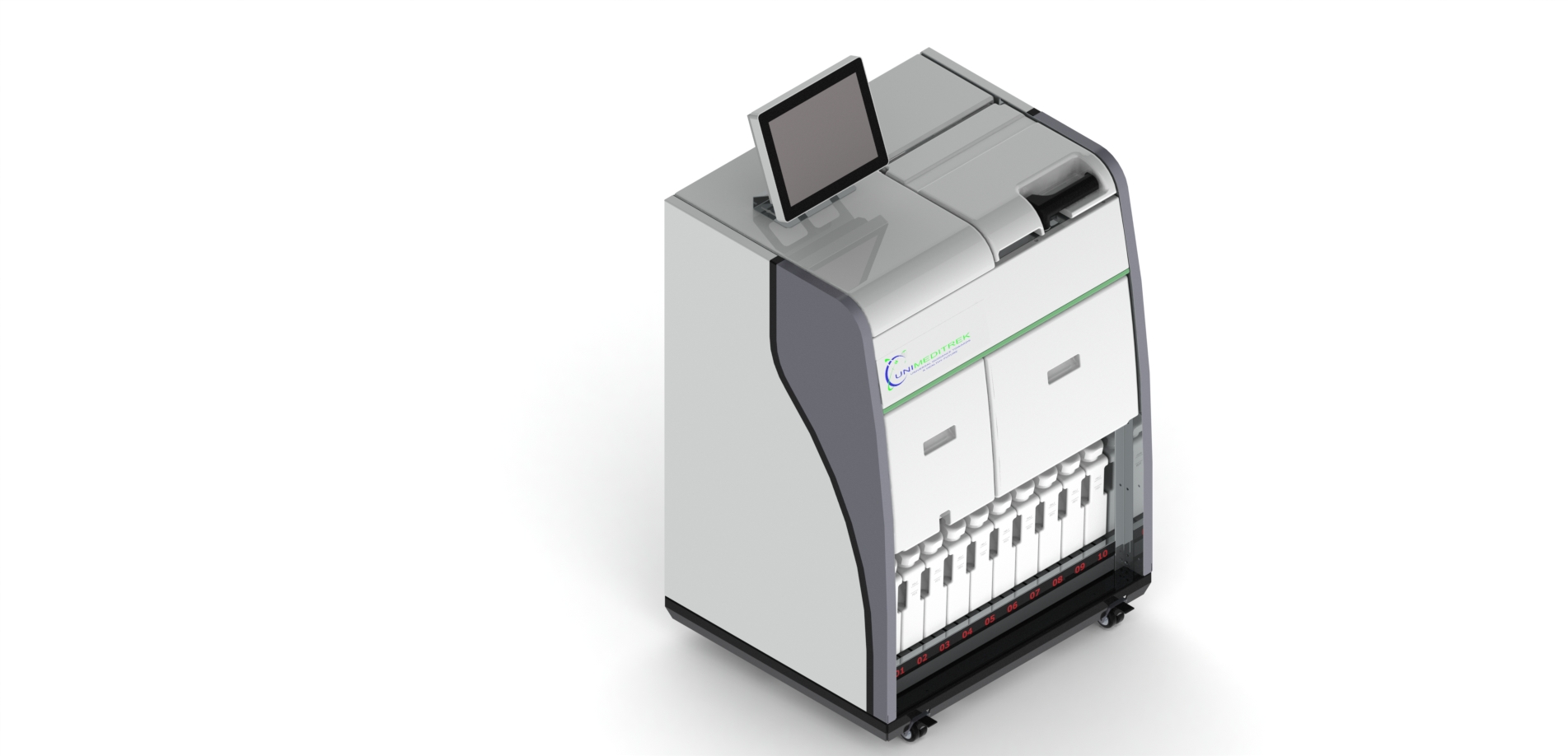
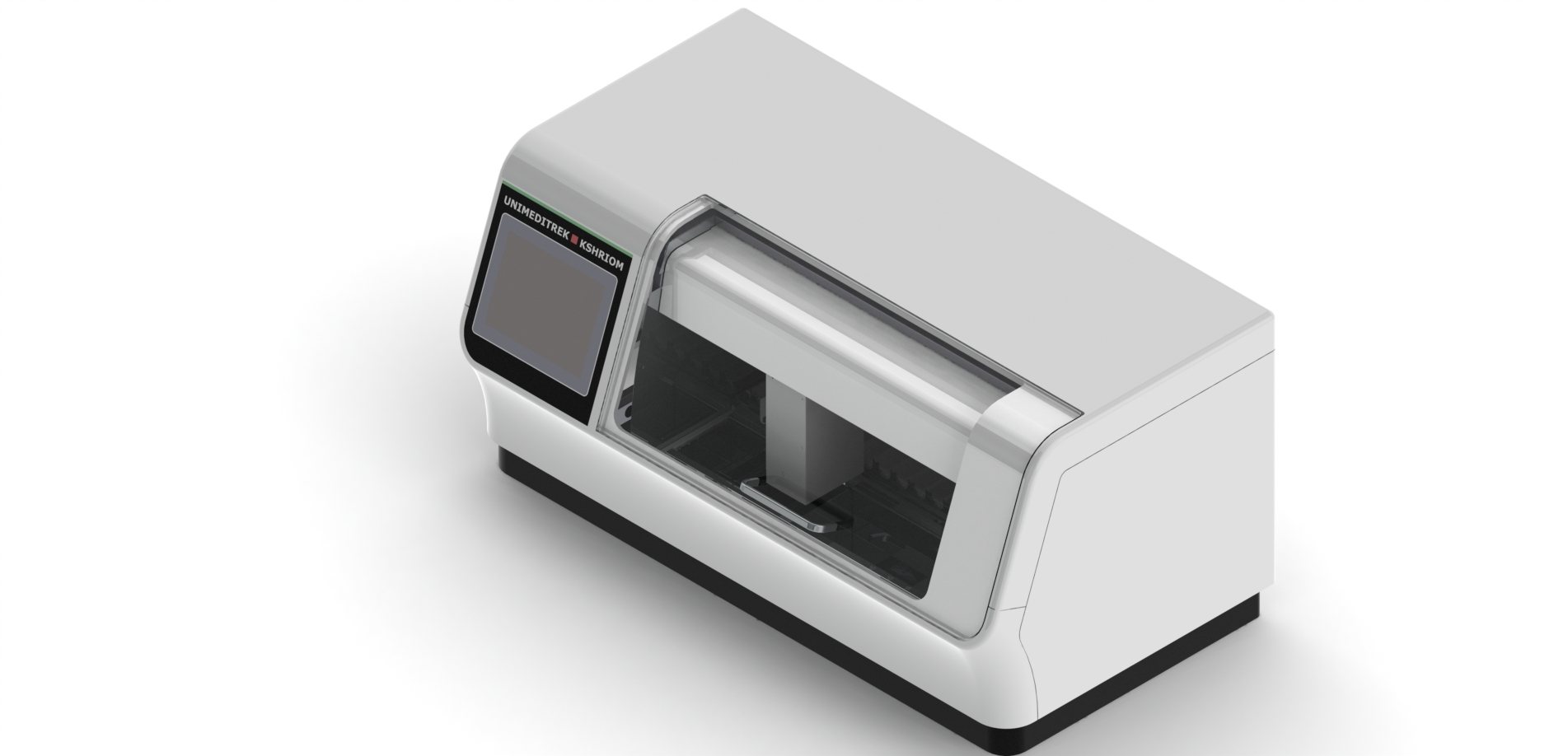
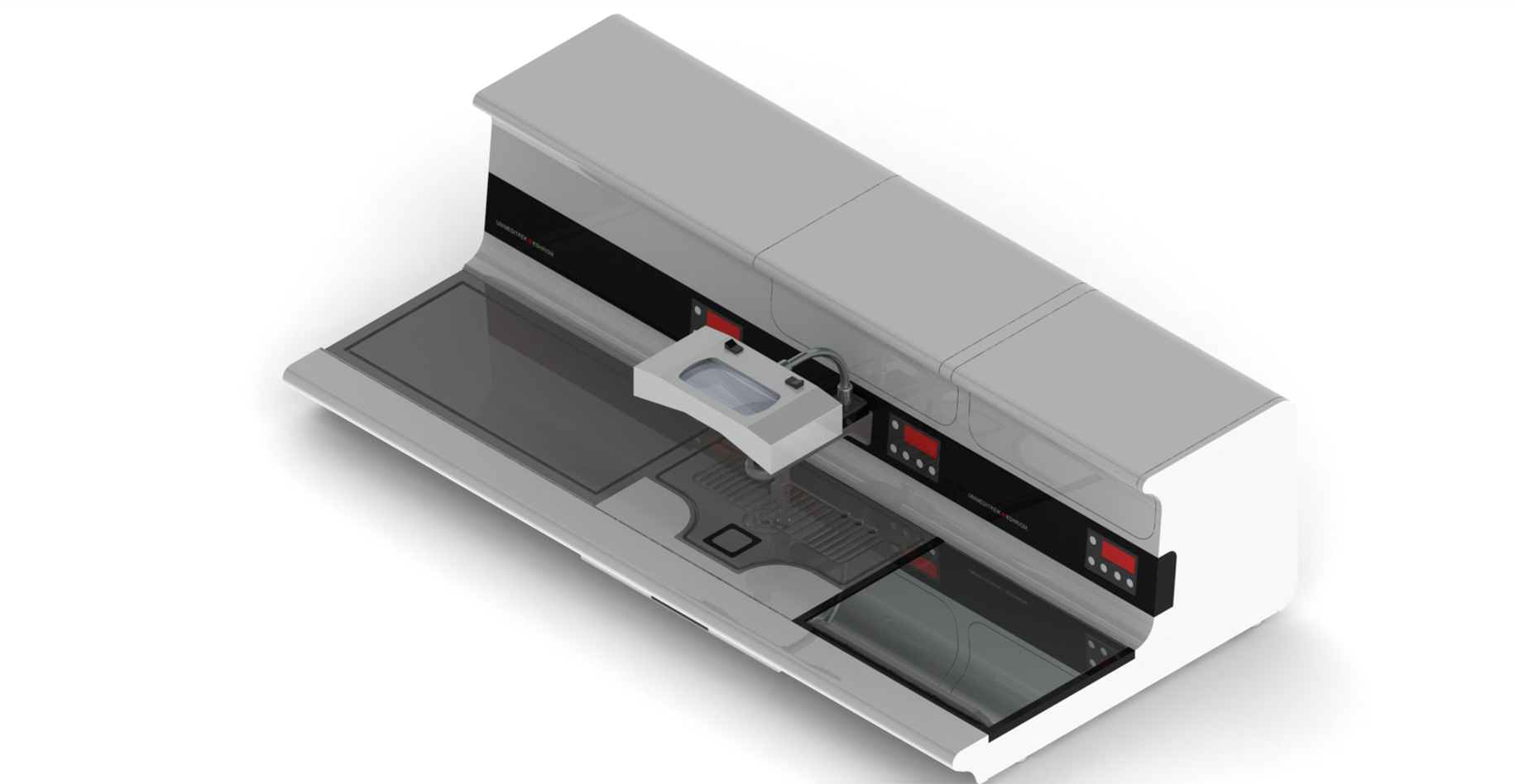
The Tissue Embedding Station is an essential piece of equipment in histopathology labs, facilitating the preparation of tissue samples for microscopic examination. By providing a controlled environment for embedding tissue in paraffin, it significantly enhances the accuracy and efficiency of the histological process.
Daily Operations in a Histopathology Lab
In a typical day at a histopathology lab, the Tissue Embedding Station plays a pivotal role in transforming freshly acquired tissue specimens into ready-to-analyze samples. After fixation, the samples are dehydrated and cleared, after which they are placed in the embedding station for infiltration with molten paraffin wax. This process is crucial as it ensures that the tissue is well-preserved and maintains its structural integrity for subsequent slicing.
Step-by-Step Workflow
- Sample Preparation: Once tissue samples are fixed, they undergo dehydration using alcohol solutions, followed by clearing with xylene or a similar reagent.
- Embedding: The samples are then placed in the Tissue Embedding Station, where they are infiltrated with paraffin wax. The station maintains optimal temperature and provides a sterile environment, ensuring that the embedding process is both efficient and contamination-free.
- Cooling: After embedding, the paraffin blocks are cooled in the station, allowing for proper solidification.
- Sectioning: Once solidified, the blocks can be easily sectioned into thin slices using a microtome for further analysis under a microscope.
Benefits of Using a Tissue Embedding Station
The incorporation of a Tissue Embedding Station into daily lab operations offers numerous benefits:
- Consistency: The controlled environment ensures uniformity in the embedding process, leading to consistent results across samples.
- Efficiency: By streamlining the embedding process, labs can handle a larger volume of samples in a shorter time frame.
- Quality: Enhanced tissue preservation leads to better histological quality, which is crucial for accurate diagnoses.
Conclusion
In conclusion, the Tissue Embedding Station is a cornerstone of modern histopathology labs, facilitating the meticulous preparation of tissue samples. Its role in enhancing efficiency, consistency, and quality cannot be overstated, making it an invaluable asset in the pursuit of accurate diagnostic outcomes.
Practical Takeaway
For histopathology labs looking to improve their workflow, investing in a reliable Tissue Embedding Station can lead to significant improvements in sample handling and diagnostic accuracy.
FAQs
What is a Tissue Embedding Station?
A Tissue Embedding Station is a laboratory device used to embed tissue samples in paraffin for histological examination.
How does a Tissue Embedding Station improve efficiency?
It streamlines the embedding process, allowing for faster sample preparation and consistent results.
This document has been prepared and reviewed by the Unimeditrek technical team based on histopathology workflow, laboratory practice, installation and service experience, and questions we hear from hospitals, medical colleges and diagnostic laboratories. It is vendor-neutral where it explains the science and practical where it explains equipment.
Prepared by Unimeditrek Pvt. Ltd.. For product specifications and quotations, contact our team.