Home › Knowledge › Reducing Turnaround Time (TAT) in Histopathology Labs
Knowledge articleReducing Turnaround Time (TAT) in Histopathology Labs
Strategies for Efficiency in Histopathology
Understanding Turnaround Time (TAT) in Histopathology
Turnaround time (TAT) is a critical metric in histopathology labs, reflecting the duration from specimen collection to the delivery of results. A shorter TAT is essential for timely diagnosis and patient management, making it a priority for laboratories aiming to enhance their operational efficiency.
Key Factors Influencing TAT
Several factors can impact TAT in histopathology, including:
- Sample Preparation: Inadequate processing can lead to delays.
- Staining Techniques: Manual staining can be time-consuming.
- Embedding and Sectioning: Inefficient embedding and microtomy can prolong TAT.
- Laboratory Workflow: Poor organization can lead to bottlenecks.
Leveraging Technology to Reduce TAT
Utilizing advanced histopathology equipment can significantly reduce TAT. Here are some key tools:
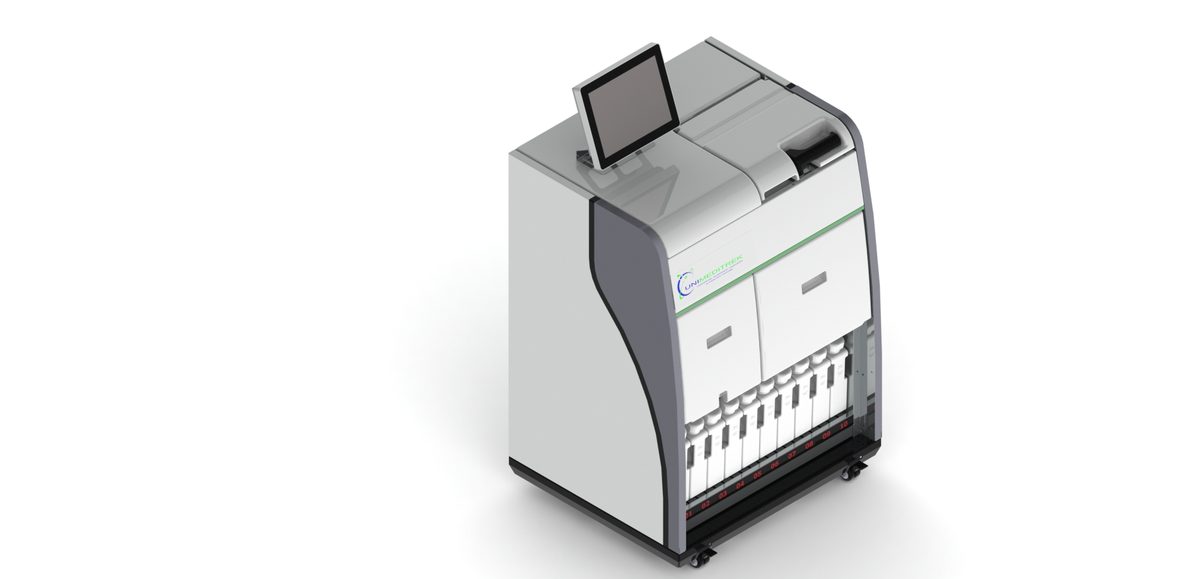
- Automatic Vacuum Tissue Processor: This equipment streamlines the tissue processing phase, ensuring uniform infiltration and reducing processing time.
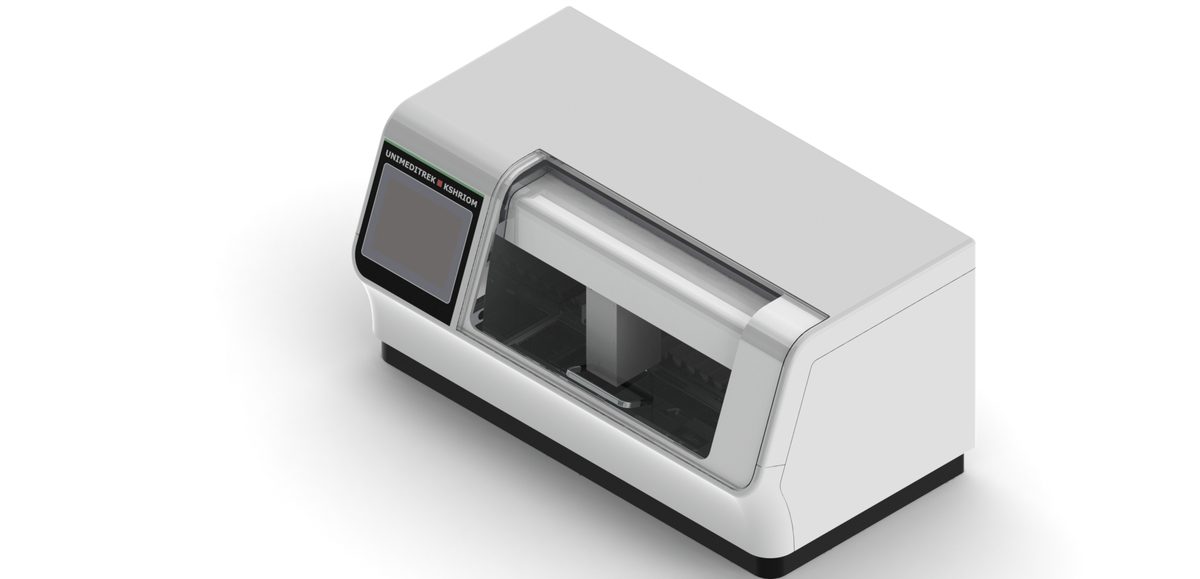
- Automatic Slide Staining Machine: Automating the staining process minimizes human error and enhances reproducibility, leading to faster results.
- Tissue Embedding Station: This station provides efficient embedding, allowing for quicker access to tissue samples for sectioning.
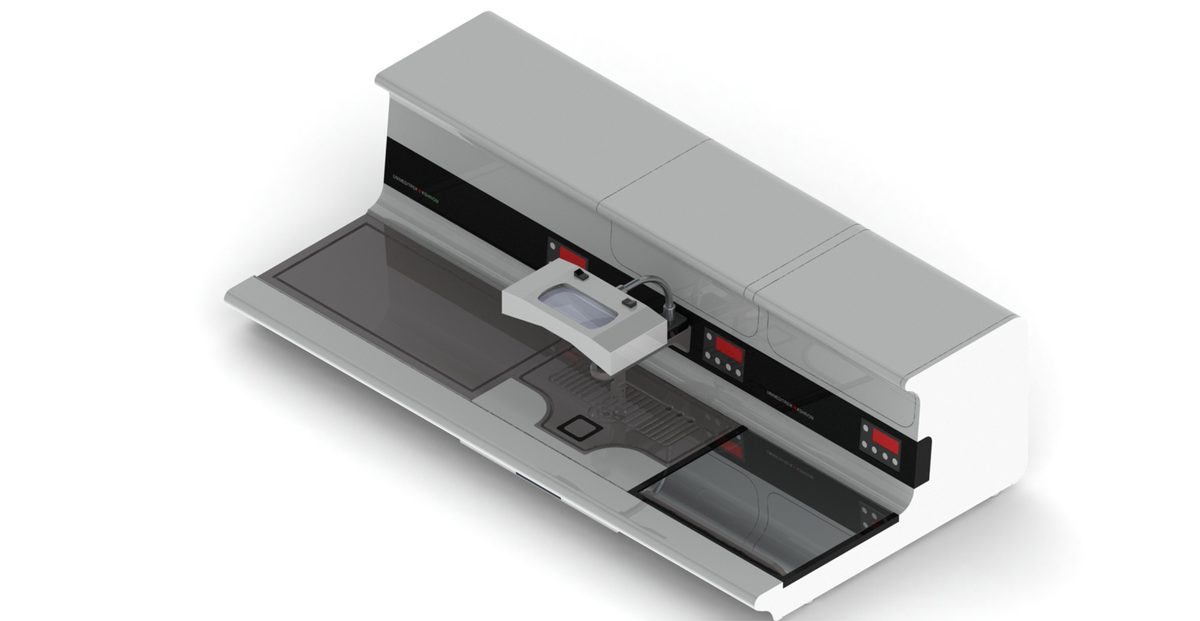
- Digital Tissue Floatation Bath: It ensures optimal tissue orientation and reduces the risk of tissue loss, expediting the sectioning process.
- Slide Warming Table: This equipment assists in maintaining optimal temperature for slides, ensuring that they are ready for examination without delays.
- Cryostat Microtome: Allows for rapid sectioning of frozen samples, which is essential in urgent diagnostic situations.
Implementing Best Practices for Workflow Optimization
In addition to utilizing advanced equipment, implementing best practices can further enhance TAT:
- Standard Operating Procedures (SOPs): Develop clear SOPs for each stage of the histopathology process to minimize variability.
- Regular Training: Ensure that laboratory personnel are well-trained on equipment and procedures to increase efficiency.
- Effective Communication: Maintain open lines of communication among lab staff to quickly address any issues that may arise.
Practical Takeaway
By integrating advanced histopathology equipment and optimizing laboratory workflows, labs can significantly reduce turnaround time, ultimately improving patient outcomes and satisfaction. Investing in technology like the Automatic Vacuum Tissue Processor and the Automatic Slide Staining Machine is crucial for any lab aiming to enhance their efficiency.
FAQs
What is the ideal turnaround time for histopathology labs?
The ideal TAT varies, but most labs aim for 24-48 hours for routine cases.
How can I train my staff to improve TAT?
Regular training sessions on equipment and procedures can enhance staff efficiency and reduce TAT.
Prepared and reviewed by the Unimeditrek technical team based on laboratory practice, installation and service experience. This document explains histopathology workflow, laboratory practice and equipment based on the questions we hear from hospitals, medical colleges and diagnostic laboratories — vendor-neutral where it explains the science and practical where it explains equipment.
Prepared by Unimeditrek Pvt. Ltd.. For product specifications and quotations, contact our team.