Home › Knowledge › Frozen Section Turnaround Standardization in Cancer Centres
Case studyFrozen Section Turnaround Standardization in Cancer Centres
A case study on efficiency improvements
Introduction
In the fast-paced environment of a cancer centre, timely diagnosis is crucial for effective patient management. This case study explores how a leading cancer centre in India standardized its frozen-section turnaround time, significantly enhancing its operational efficiency and patient care.
The Challenge
The cancer centre faced challenges with inconsistent frozen-section turnaround times, which were often prolonged due to varying procedures and equipment capabilities. Pathologists reported delays in diagnosis, leading to extended patient waiting periods and a backlog of cases. The centre recognized the urgent need to streamline its processes to ensure quick and reliable results.
Standardization Initiatives
To address these challenges, the cancer centre implemented a series of standardization initiatives that involved the adoption of advanced histopathology equipment and the development of a cohesive workflow. Key actions included:
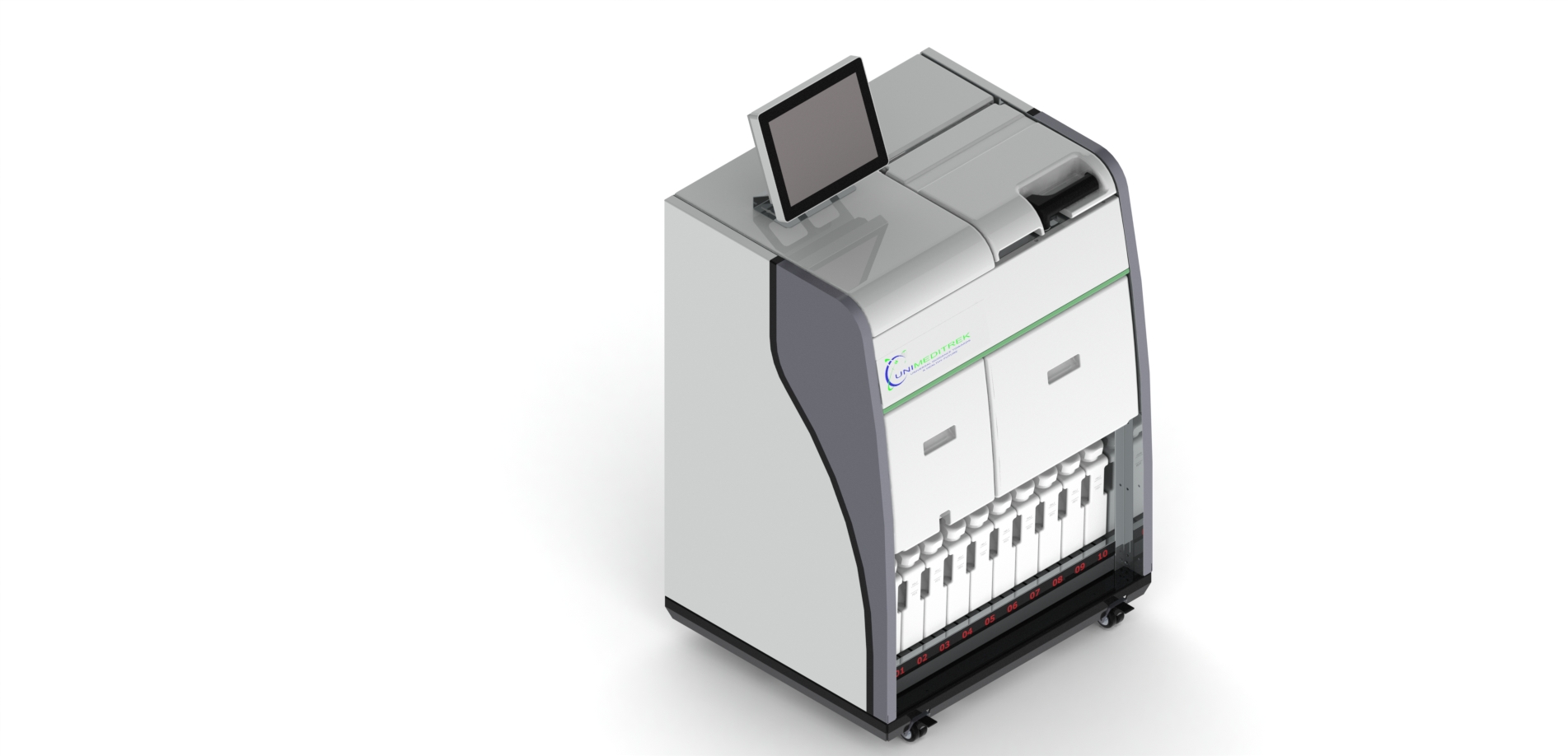
- Investing in Automatic Vacuum Tissue Processors: This equipment allowed for uniform processing of tissue samples, reducing variability and improving consistency in sample preparation.
- Utilizing Cryostat Microtomes: The introduction of high-quality cryostat microtomes facilitated precise sectioning of frozen tissues, ensuring optimal quality for diagnostic evaluation.
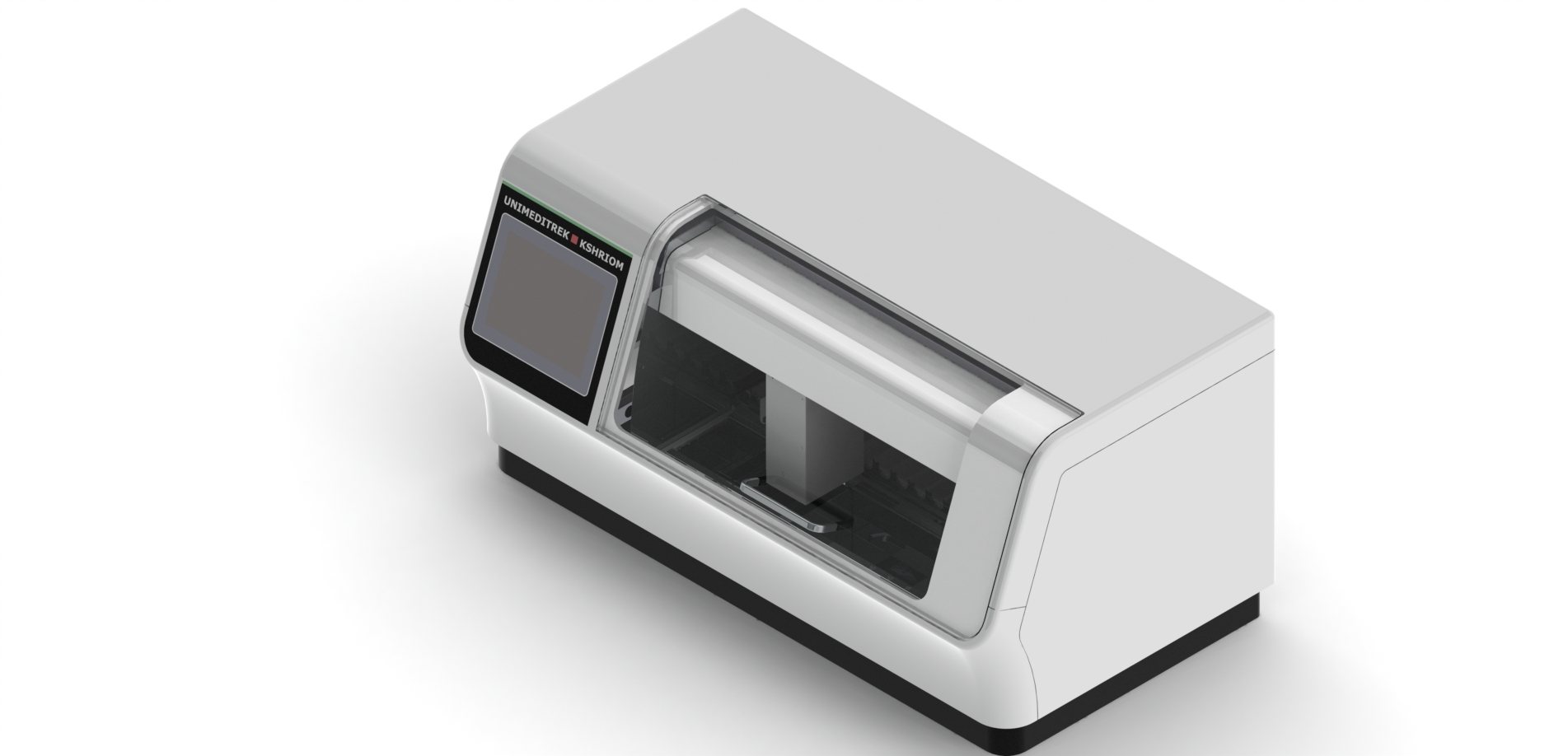
- Enhancing Staining Procedures: The implementation of Automatic Slide Staining Machines streamlined the staining process, decreasing turnaround times while maintaining high-quality results.
- Optimizing Embedding Techniques: The Tissue Embedding Station was used to standardize embedding protocols, ensuring that samples were consistently prepared for sectioning.
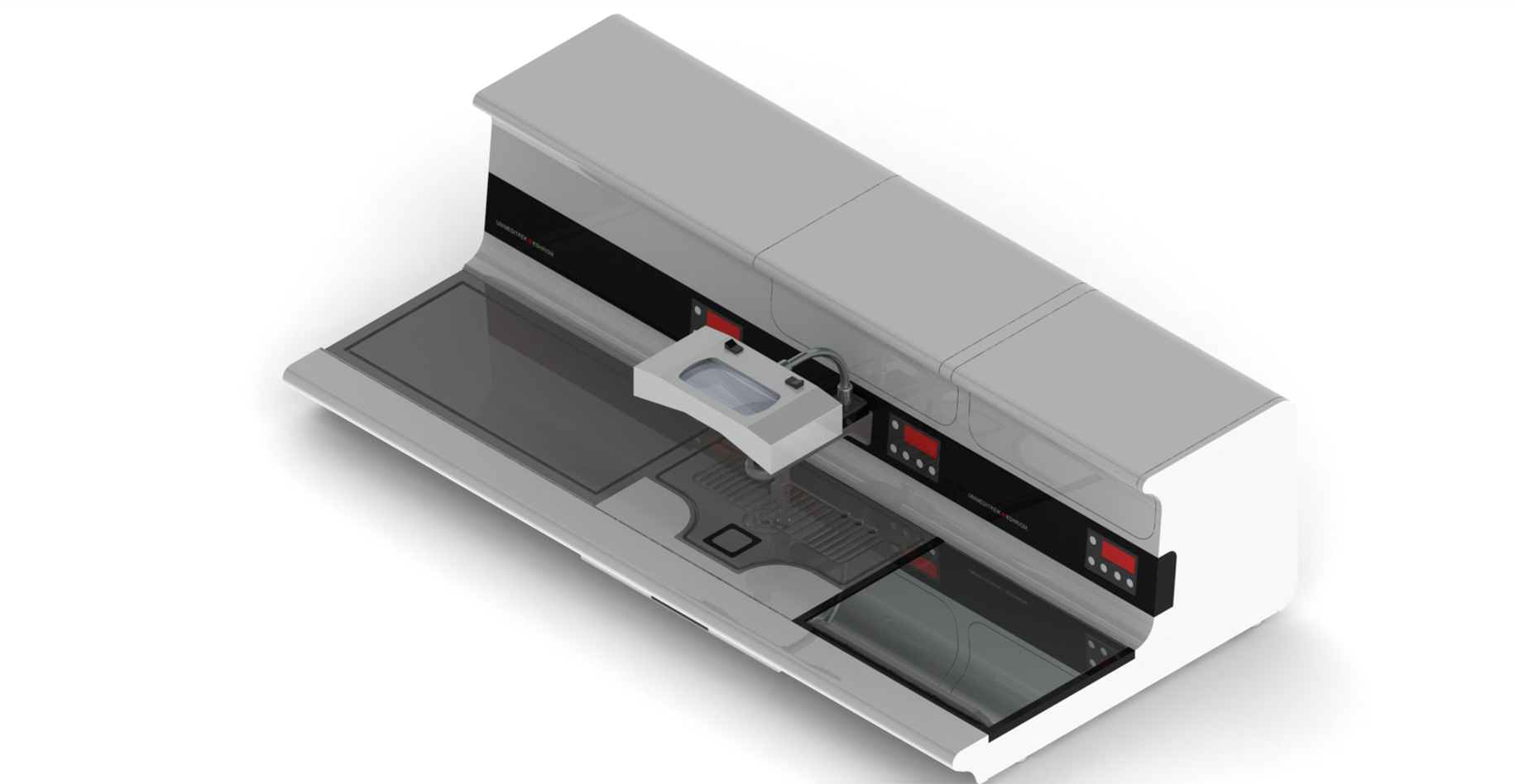
- Improving Workflow with Digital Floatation Baths and Slide Warming Tables: These tools supported better handling of tissue sections, reducing the risk of damage and improving overall workflow efficiency.
Results Achieved
Following the standardization initiatives, the cancer centre experienced remarkable improvements in its frozen-section turnaround times. The average time from sample receipt to diagnosis was reduced from 90 minutes to under 30 minutes. This not only enhanced patient satisfaction but also allowed the pathology team to handle a greater volume of cases without compromising quality.
Conclusion and Practical Takeaway
The case study of this cancer centre illustrates the critical role of standardization and advanced histopathology equipment in improving operational efficiency. By investing in high-quality tools such as the Automatic Vacuum Tissue Processor, Cryostat Microtome, and Automatic Slide Staining Machine, healthcare facilities can significantly reduce turnaround times for frozen sections, ultimately leading to better patient outcomes. For any pathology lab looking to enhance its performance, focusing on standardization and the right equipment is essential.
FAQs
What is a frozen section?
A frozen section is a rapid diagnostic procedure used during surgeries to provide immediate information about the nature of a tissue sample.
How does standardization improve frozen-section turnaround?
Standardization improves turnaround by creating consistent protocols and utilizing advanced equipment, leading to faster and more reliable results.
This document has been prepared and reviewed by the Unimeditrek technical team based on histopathology workflow, laboratory practice, installation and service experience, and questions we hear from hospitals, medical colleges and diagnostic laboratories. It is vendor-neutral where it explains the science and practical where it explains equipment.
Prepared by Unimeditrek Pvt. Ltd.. For product specifications and quotations, contact our team.