Home › Knowledge › Dehydration and Clearing: Reagent Management Best Practices
Knowledge articleDehydration and Clearing: Reagent Management Best Practices
Essential Techniques for Histopathology Labs
Understanding Dehydration and Clearing in Histopathology
Dehydration and clearing are crucial steps in the histopathological process that prepare tissue samples for embedding and sectioning. Dehydration involves the removal of water from the tissue, typically achieved through a series of alcohol baths, while clearing replaces the alcohol with a medium that is miscible with embedding materials, like paraffin. Proper management of reagents in these processes is essential for achieving high-quality tissue samples.
Best Practices for Reagent Management
Effective reagent management can significantly enhance the efficiency and accuracy of dehydration and clearing. Here are some best practices:
- Regular Monitoring: Ensure that all reagents are regularly checked for contamination and depletion. This includes alcohols and clearing agents which should be replaced periodically to maintain their efficacy.
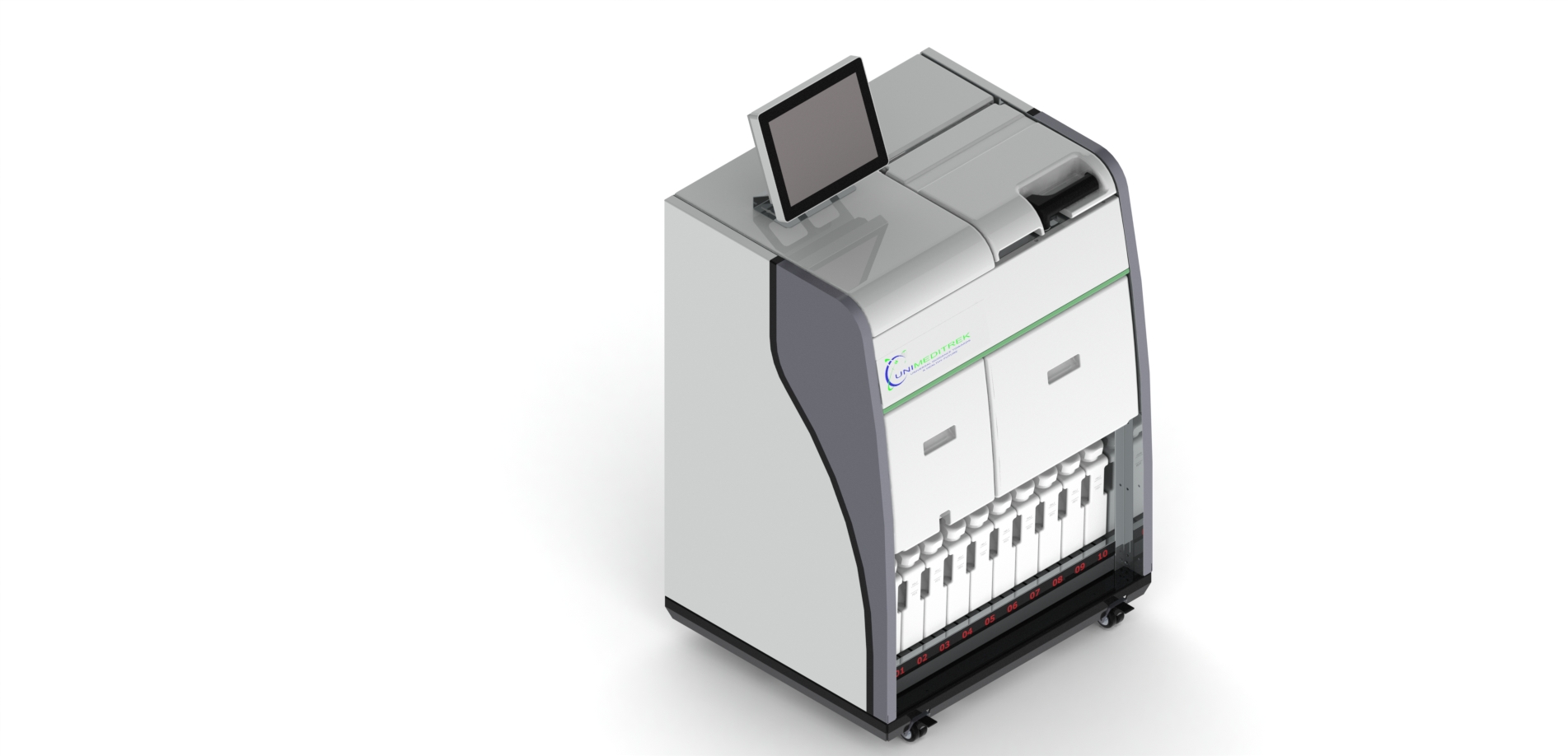
- Use of Automatic Equipment: Implementing an Automatic Vacuum Tissue Processor can streamline the dehydration and clearing process. This equipment allows for precise control over reagent exposure times and temperatures, reducing human error.
- Labeling and Storage: Clearly label all reagent containers and store them in designated areas. Proper storage prevents cross-contamination and ensures that reagents are easily accessible when needed.
- Waste Management: Develop a waste disposal protocol for used reagents. This ensures compliance with safety regulations and minimizes environmental impact.
Optimizing Workflow with Advanced Equipment
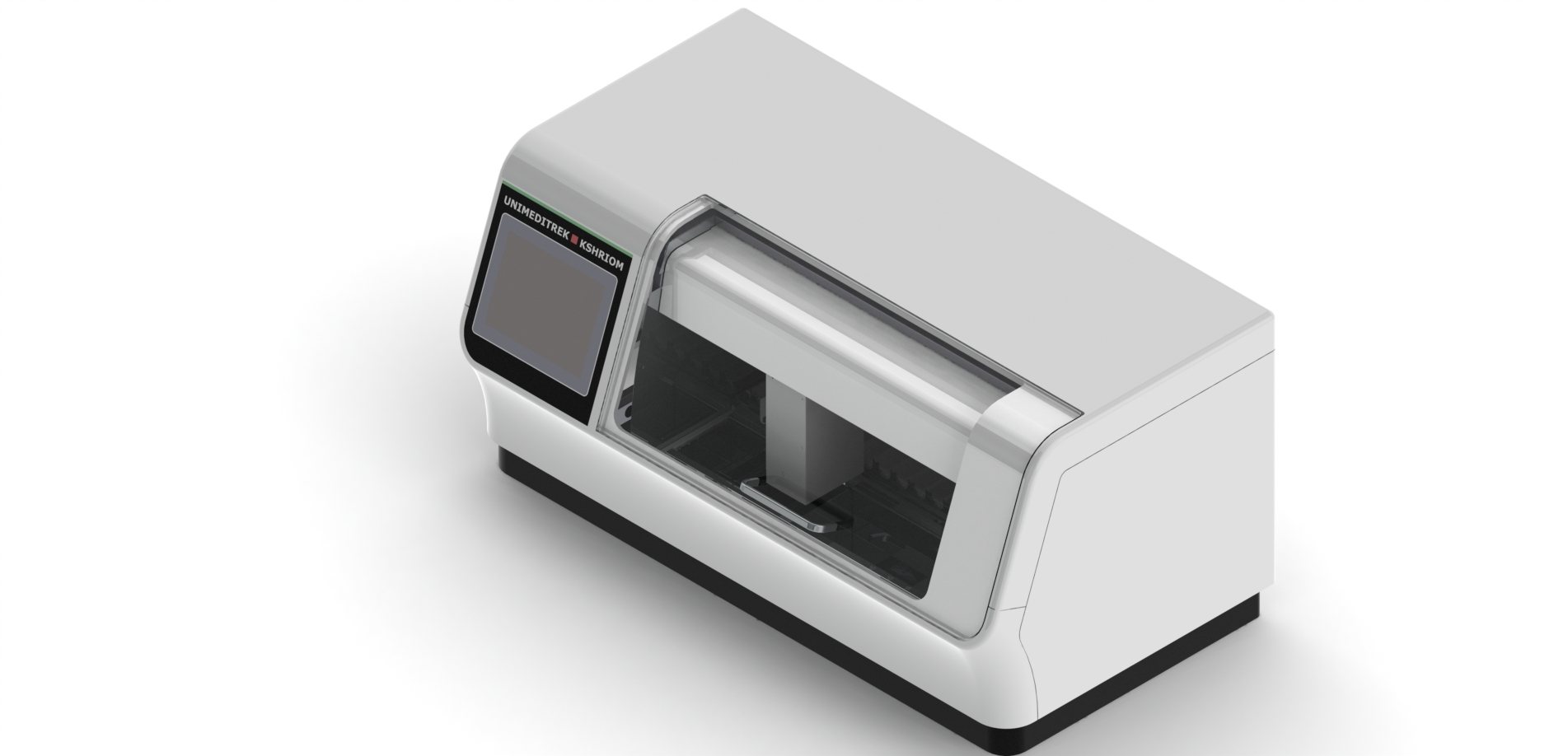
Integrating advanced histopathology equipment into your workflow can further enhance reagent management. For instance, an Automatic Slide Staining Machine can be used to automate staining processes, ensuring that slides are consistently processed without manual handling. Additionally, a Tissue Embedding Station can provide a controlled environment for embedding tissues, reducing the risk of reagent exposure to air and potential contamination.
Importance of Temperature Control
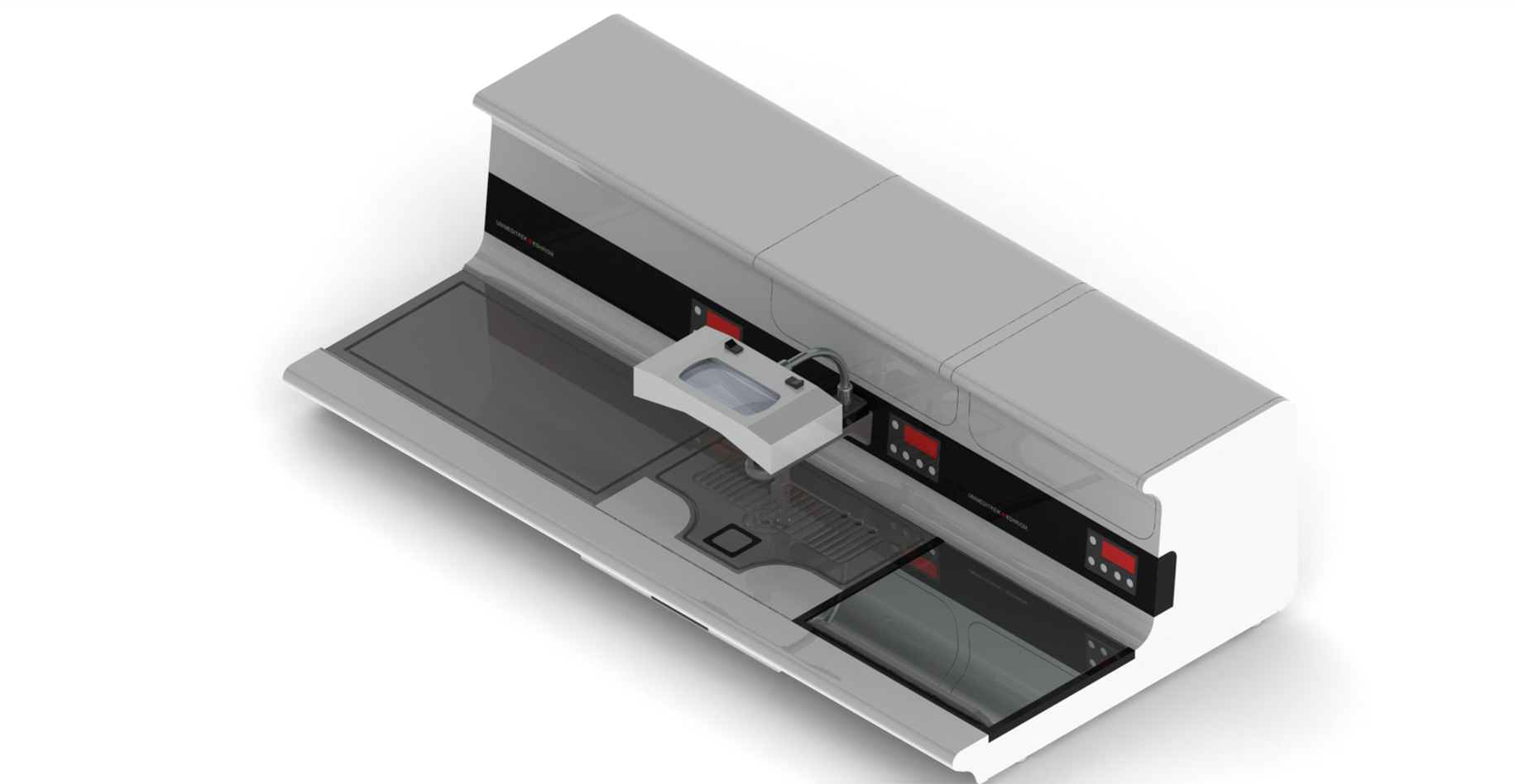
Temperature plays a vital role in the dehydration and clearing process. Utilizing a Digital Tissue Floatation Bath allows for precise temperature control, which is essential for optimal tissue processing. Furthermore, a Slide Warming Table can assist in maintaining slide temperatures during staining and mounting, preventing issues related to reagent crystallization.
Conclusion and Practical Takeaway
In conclusion, effective reagent management during dehydration and clearing is integral to histopathology. By adopting best practices such as regular monitoring, utilizing advanced equipment, and ensuring proper storage and waste management, labs can enhance their efficiency and the quality of their histological samples. Remember, investing in reliable tools like the Cryostat Microtome and other automated systems can pay off in the long run by ensuring consistent and high-quality results.
FAQs
What is the purpose of dehydration in histopathology?
Dehydration removes water from tissue samples, allowing for better infiltration of embedding media.
How can I ensure the quality of my clearing agents?
Regularly monitor and replace clearing agents to prevent contamination and maintain effectiveness.
This document has been prepared and reviewed by the Unimeditrek technical team based on histopathology workflow, laboratory practice, installation and service experience, and questions we hear from hospitals, medical colleges and diagnostic laboratories. It is vendor-neutral where it explains the science and practical where it explains equipment.
Prepared by Unimeditrek Pvt. Ltd.. For product specifications and quotations, contact our team.