Home › Knowledge › Automatic Tissue Processor in Daily Histopathology
Use caseAutomatic Tissue Processor in Daily Histopathology
Streamlining Tissue Processing in Laboratories
Introduction to Automatic Tissue Processors
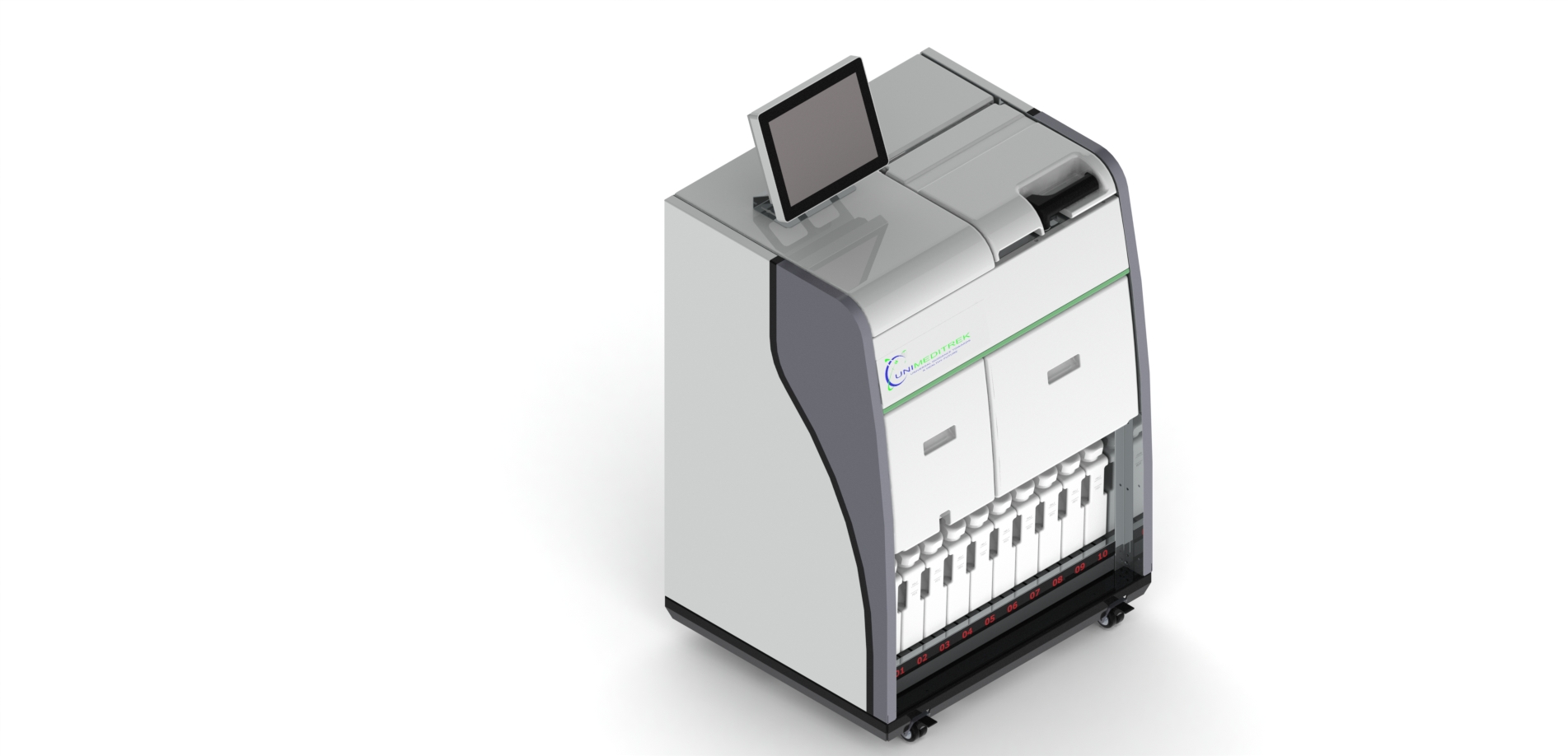
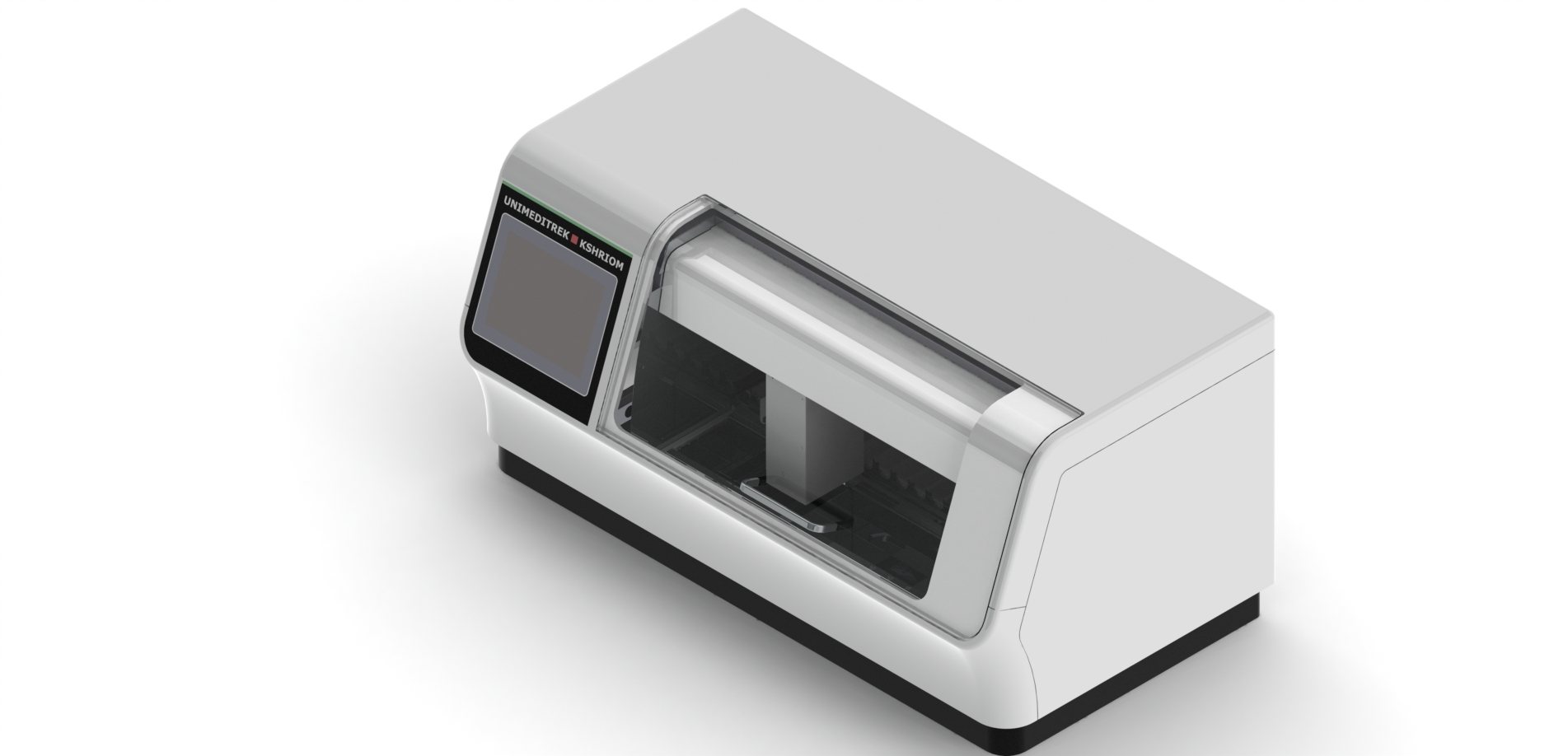
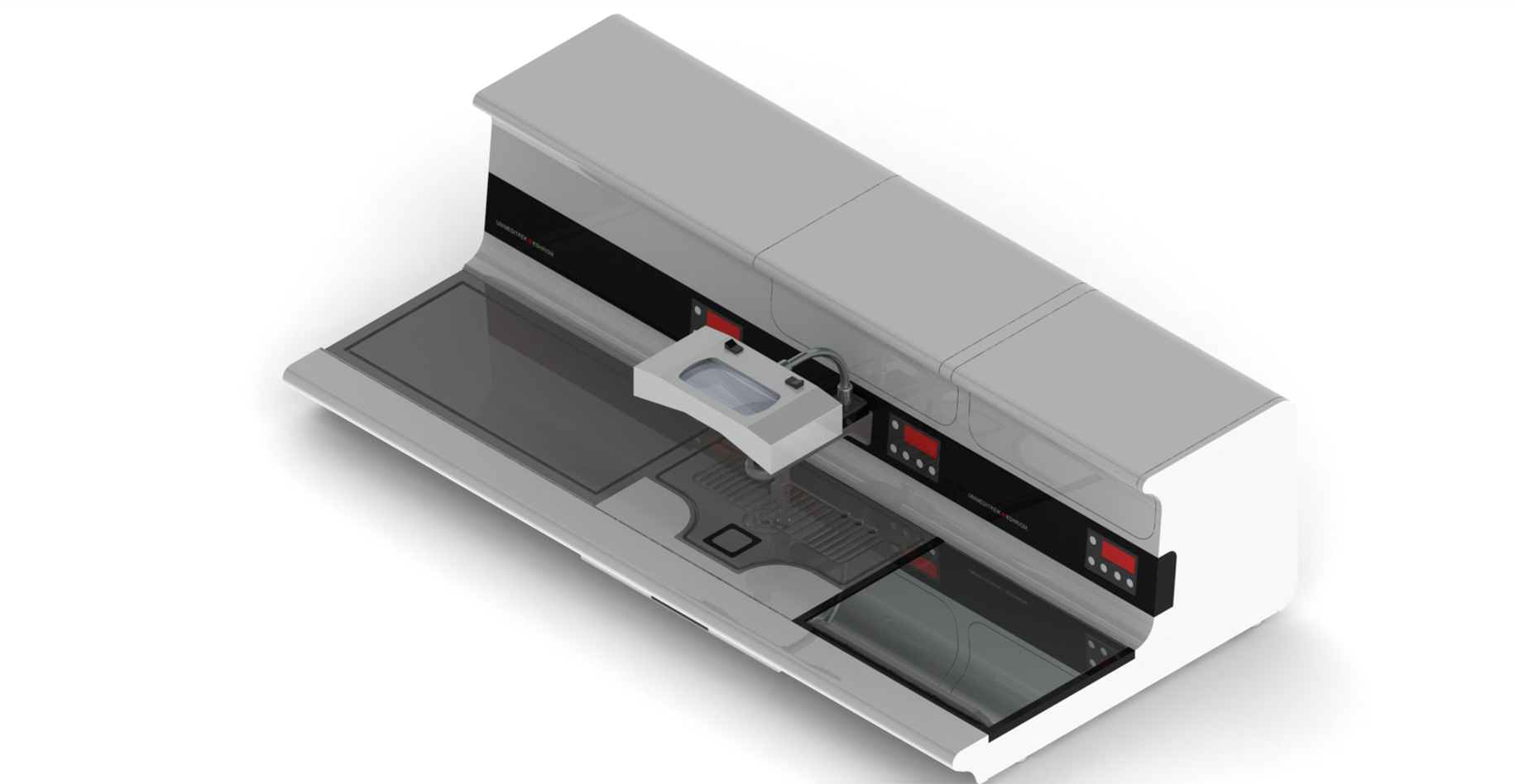
The Automatic Tissue Processor is an essential piece of equipment in histopathology laboratories, designed to automate the process of tissue preparation for microscopic examination. By streamlining the processing workflow, it significantly enhances the efficiency and accuracy of diagnostic procedures.
Daily Operations in a Histopathology Lab
In a typical histopathology laboratory, the Automatic Tissue Processor plays a crucial role in the daily operations. After surgical specimens are received, they are fixed in formalin to preserve tissue architecture. The processor then takes over, following a predefined protocol to dehydrate, clear, and infiltrate the tissue samples with paraffin wax.
Step-by-Step Processing
The Automatic Tissue Processor operates through a series of steps:
- Dehydration: The processor uses a series of alcohol solutions to remove water from the tissue, which is critical for the subsequent infiltration with paraffin.
- Clearing: The alcohol is replaced with a clearing agent, such as xylene, which prepares the tissue for paraffin embedding.
- Infiltration: Finally, the tissue is infiltrated with molten paraffin wax, which provides support for thin slicing during sectioning.
Each cycle is carefully timed and monitored, ensuring that the quality of the processed tissue is optimal for histological analysis.
Benefits of Automation
Integrating the Automatic Tissue Processor into daily lab routines offers several advantages:
- Consistency: Automated processing reduces human error, ensuring that every batch of tissue is treated uniformly.
- Time Efficiency: The automation significantly cuts down the time taken for tissue processing, allowing pathologists to focus on diagnosis rather than manual tasks.
- Improved Safety: By minimizing direct handling of chemicals, the processor enhances the safety of laboratory personnel.
Case Study: A Day in the Life of a Histopathology Lab
Consider a busy histopathology lab at a metropolitan hospital in India. Each day, the lab receives numerous biopsy specimens. The Automatic Tissue Processor is set up to run overnight, allowing for continuous processing without interruption. In the morning, technicians find that multiple batches of tissue are ready for sectioning, significantly reducing the backlog of samples waiting for analysis. This efficiency not only speeds up diagnosis but also improves patient care by allowing quicker treatment decisions.
Practical Takeaway
For histopathology laboratories looking to enhance their operational efficiency, investing in an Automatic Tissue Processor is a strategic move. By automating the tissue processing workflow, labs can improve consistency, save time, and ensure the safety of their staff, ultimately leading to better patient outcomes.
FAQs
What is an Automatic Tissue Processor?
An Automatic Tissue Processor is a device that automates the preparation of tissue samples for microscopic examination by dehydrating, clearing, and infiltrating them with paraffin.
How does an Automatic Tissue Processor improve lab efficiency?
It reduces manual handling, minimizes human error, and speeds up the tissue processing time, allowing for quicker diagnosis and improved patient care.
This document has been prepared and reviewed by the Unimeditrek technical team based on histopathology workflow, laboratory practice, installation and service experience, and questions we hear from hospitals, medical colleges and diagnostic laboratories. It is vendor-neutral where it explains the science and practical where it explains equipment.
Prepared by Unimeditrek Pvt. Ltd.. For product specifications and quotations, contact our team.