Home › Knowledge › How to Choose a Tissue Processor for Your Lab
White paperHow to Choose a Tissue Processor for Your Lab
A Comprehensive Guide for Histopathology Labs
Understanding the Role of a Tissue Processor
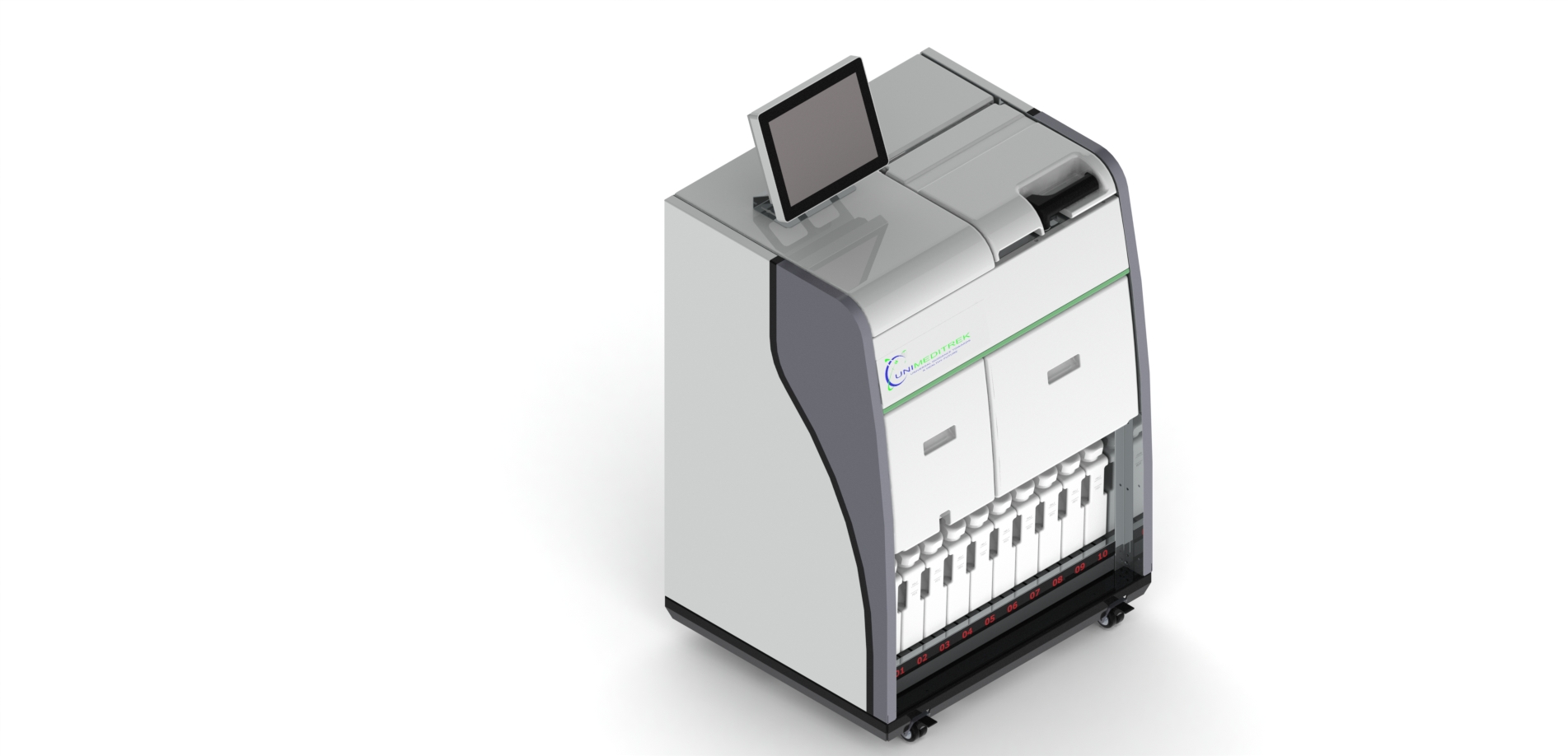
A tissue processor is an essential piece of equipment in histopathology labs, facilitating the preparation of tissue samples for microscopic examination. It automates the process of dehydration, clearing, and infiltration, ensuring that samples are adequately prepared for subsequent analysis. Choosing the right tissue processor is crucial for maintaining the quality and efficiency of your lab's workflow.
Key Features to Consider
When selecting a tissue processor, consider the following features:
- Automation Level: Automatic systems, like the Automatic Vacuum Tissue Processor, reduce manual intervention, improving consistency and reducing processing times.
- Capacity: Evaluate the volume of samples your lab processes daily. Choose a model that can accommodate your workload without compromising on quality.
- Processing Time: Faster processing times can enhance lab efficiency. Look for processors that offer optimized cycles without sacrificing sample integrity.
- Ease of Use: User-friendly interfaces and programmable features can significantly reduce training time and improve operational efficiency.
- Maintenance and Support: Consider the manufacturer’s reputation for service and support, as well as the availability of replacement parts.
Integration with Other Equipment
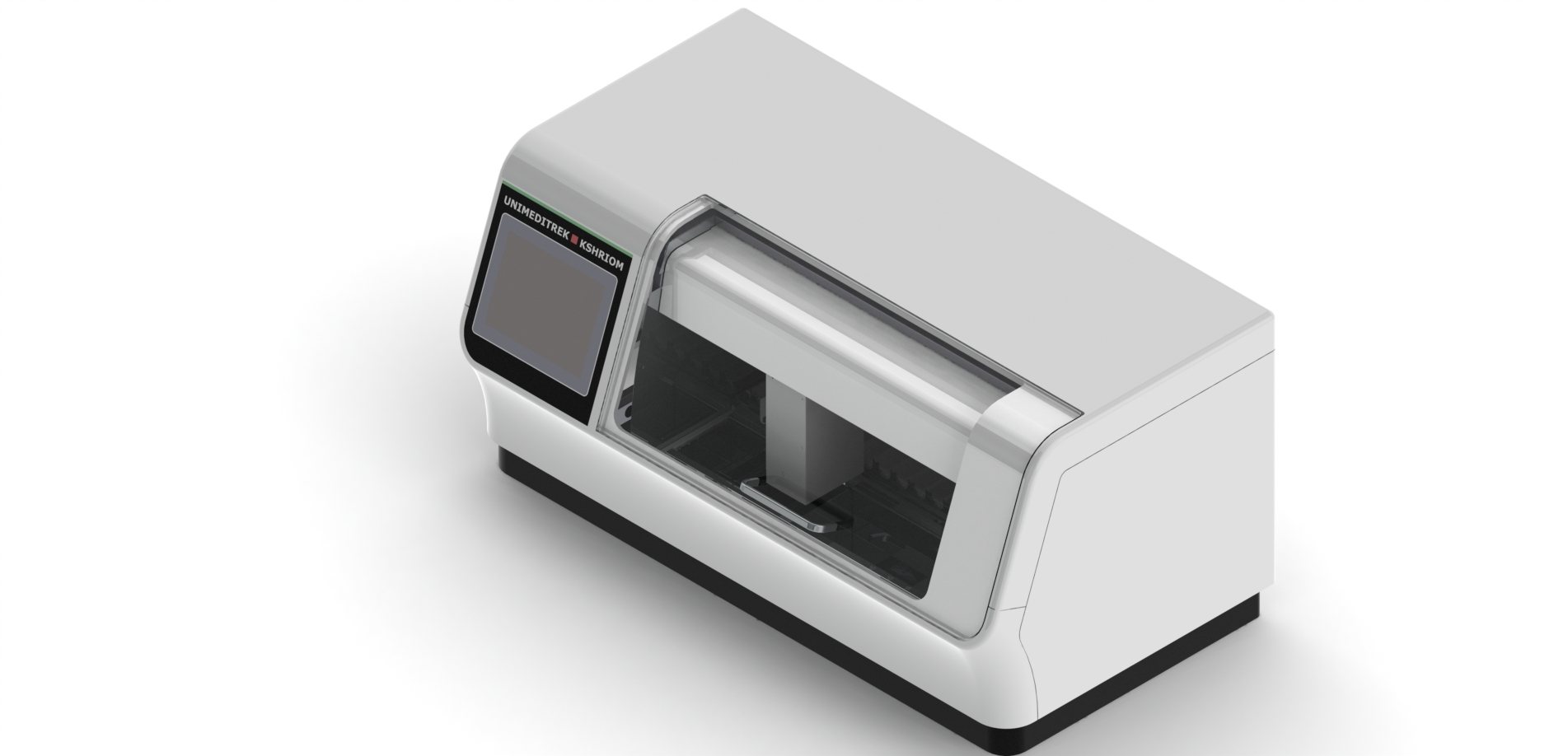
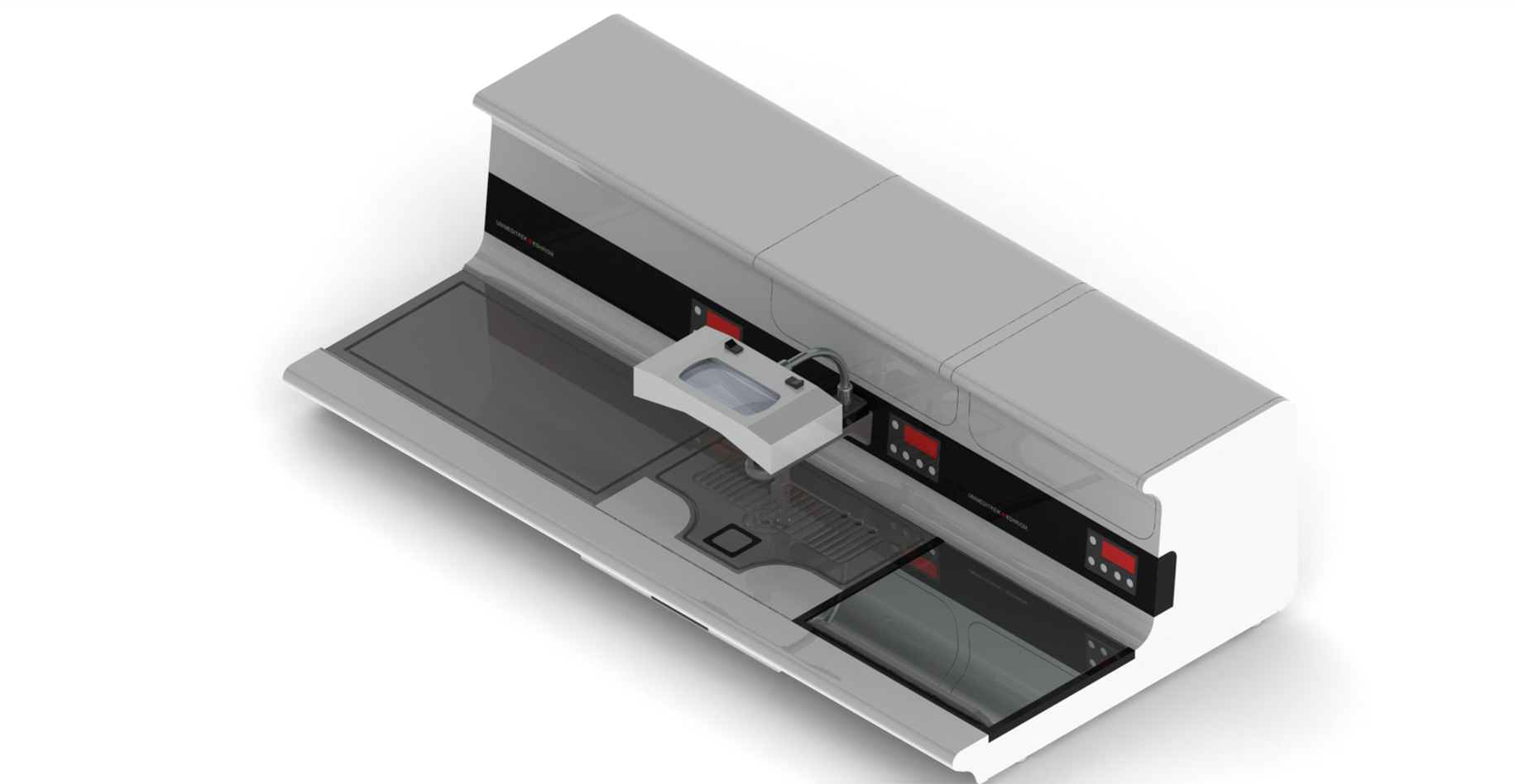
A tissue processor doesn't operate in isolation. It's important to consider how it integrates with other histopathology equipment. For instance, using the Automatic Slide Staining Machine in conjunction with your tissue processor can streamline the workflow from tissue processing to staining, enhancing overall efficiency. Additionally, a Tissue Embedding Station can complement the processor by providing a seamless transition to embedding tissues in paraffin.
Budget Considerations
While it's tempting to opt for the lowest-priced option, investing in a high-quality tissue processor can save costs in the long run. Consider the total cost of ownership, including maintenance and potential downtime. Prioritize features that directly impact your lab's efficiency and sample quality.
Practical Takeaway
Choosing the right tissue processor is a critical decision that affects your lab's efficiency and output quality. Evaluate your lab's specific needs, consider integration with existing equipment like the Digital Tissue Floatation Bath and Cryostat Microtome, and invest in a solution that meets both your current and future demands.
FAQs
What is the main function of a tissue processor?
A tissue processor automates the preparation of tissue samples for microscopic examination by dehydrating, clearing, and infiltrating them.
How does an automatic tissue processor improve lab efficiency?
An automatic tissue processor reduces manual intervention, speeds up processing times, and enhances consistency in sample preparation.
Prepared by Unimeditrek Pvt. Ltd.. For product specifications and quotations, contact our team.